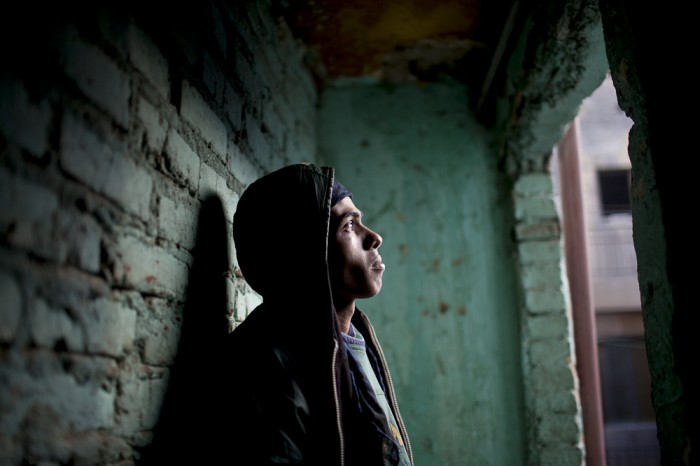
Political Prisoners of a Revolution
-
Prize
-
PhotographerBrian Driscoll, United States
-
StudioBrian Driscoll
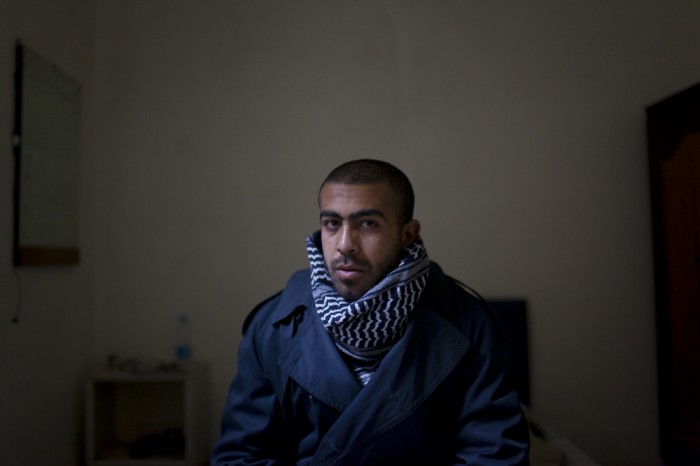
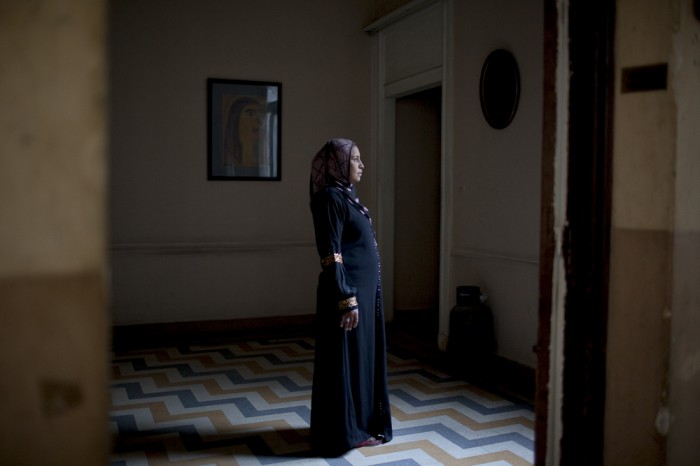
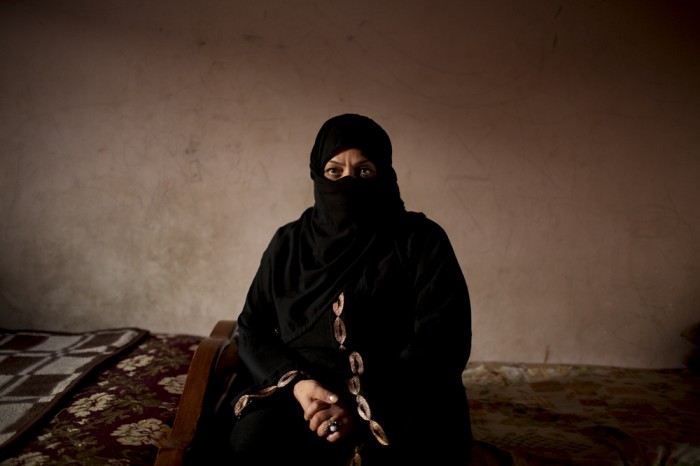
As a result of the mass demonstrations that took place in the great cities of Egypt, many people accused of supporting these political uprisings are suffering unjust consequences. Since January 28, 2011, the Supreme Council of Armed Forces (SCAF), the strong arm of the Egyptian Military and now the prevailing Egyptian authority, has detained thousands of civilians without any access to lawyers and an opportunity to review the evidence against them. Since assuming power the SCAF has failed to discuss several serious human rights problems in the country and in many cases has exacerbated them. According to human rights groups, it is not clear how many people are behind bars in Egypt for political activities
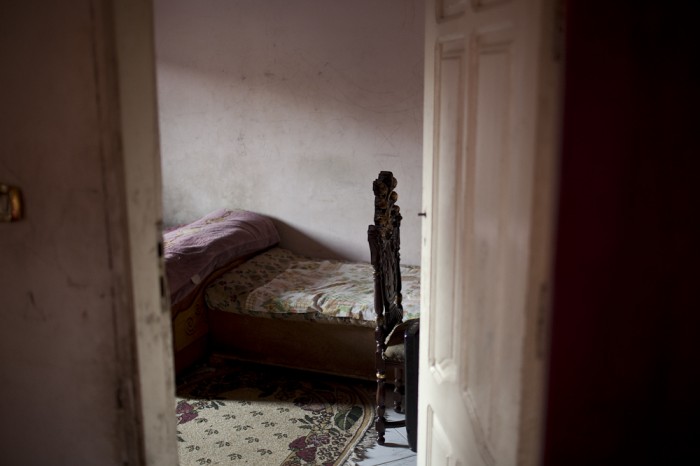
In January 2012, I embarked on a personal project to shed light on this very sensitive topic and for the second time since the Egyptian uprisings began, I found myself in downtown Cairo. Not photographing protests or demonstrations, rather searching for individuals who had been captured or abducted by the Supreme Council of Armed Forces and who were detained inside a military prison for being part of sudden uprisings following the revolution. Some victims I have encountered have remained in detention for up to a year, along with serious violations of their human rights, acts of torture, as well as sustaining inhumane conditions. It also appears clear that a lot of these people were very young in age, not extreme protesters, happened to be in the wrong place at the wrong time and was abducted at the hands of the Egyptian military.
This work aims to address issues such as social psychological scars, post-conflict experiences, feelings of abandonment, the transition back to normalcy and how individuals and families are coping with the hardship and the struggles for their rights in the ongoing aftereffects of the Egyptian revolution. 2012
-
Awards2013 - Nominee for PDN's 30 2012 - Top Picks by Country, U.S. Editorial Series: Political / IPA International Photography Awards 2012 - 1st Place - Editorial Series: Political / IPA International Photography Awards 2012 - Series Finalist, Documentary / New York Photo Awards 2012- Winner - U.S. Magenta Foundation, Flash Forward 2012- Winner - New York Photo Festival Invitational 2012- Awarded Honorable Mention - The Art of Documentary / socialdocumentary.net 2012-Nominee for PDN's 30 2011-Emerging Talent by Getty Reportage 2010-Eddie Adams Workshop 2010-Directors Fellowship, ICP