/ 2024 / Nature / Landscape

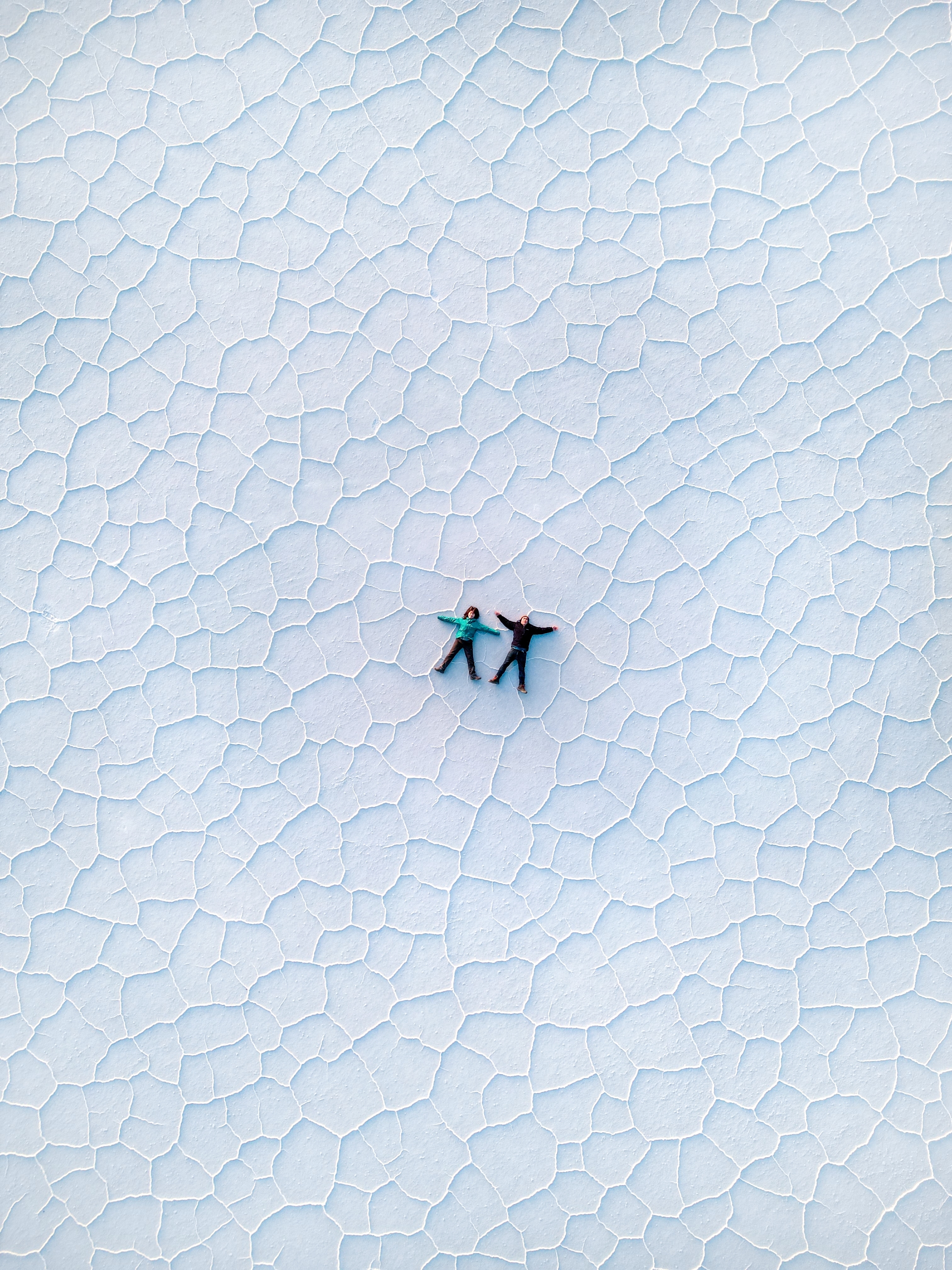
White Pattern
-
PrizeHonorable Mention
-
Photographeryanakiji, Japan
-
Date of Photograph5 July, 2023
-
Website
-
Instagram
The Uyuni Salt Flat was formed when the Andes Mountains, once at the bottom of the sea, rose due to tectonic activity. During the ice age, the sea floor, along with frozen seawater, elevated nearly 3,700 meters. At first, for a considerable time, it remained a glacier. However, the rising temperatures caused the ice to melt, it created a massive salt flat between the mountains.
During the dry season, water evaporates, revealing hexagonal patterns resembling beehives, with each piece measuring 1 to 2 meters. These white patterns stretch endlessly across the vast landscape.