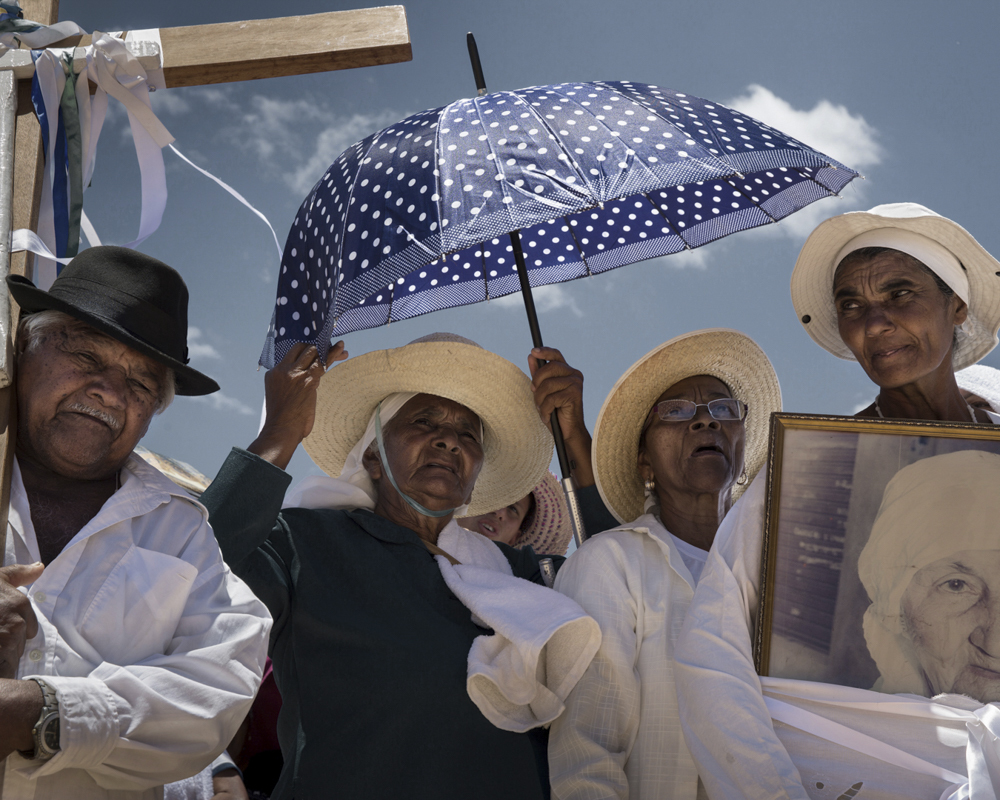
Backlands "Sertão"
-
PhotographerFelipe Fittipaldi, Brazil
The lack of perspective and newly arrived new technologies in
the countryside of Brazil, mainly internet and mobile network,
have enabled a profound cultural transformation. The new
generation, now connected to new references, tends to migrate
in search of opportunities away from isolation and hard work in
the fields. The youth wants to be included in urban and
contemporary class society, even as a proletarian and a resident
on the periphery of the city.
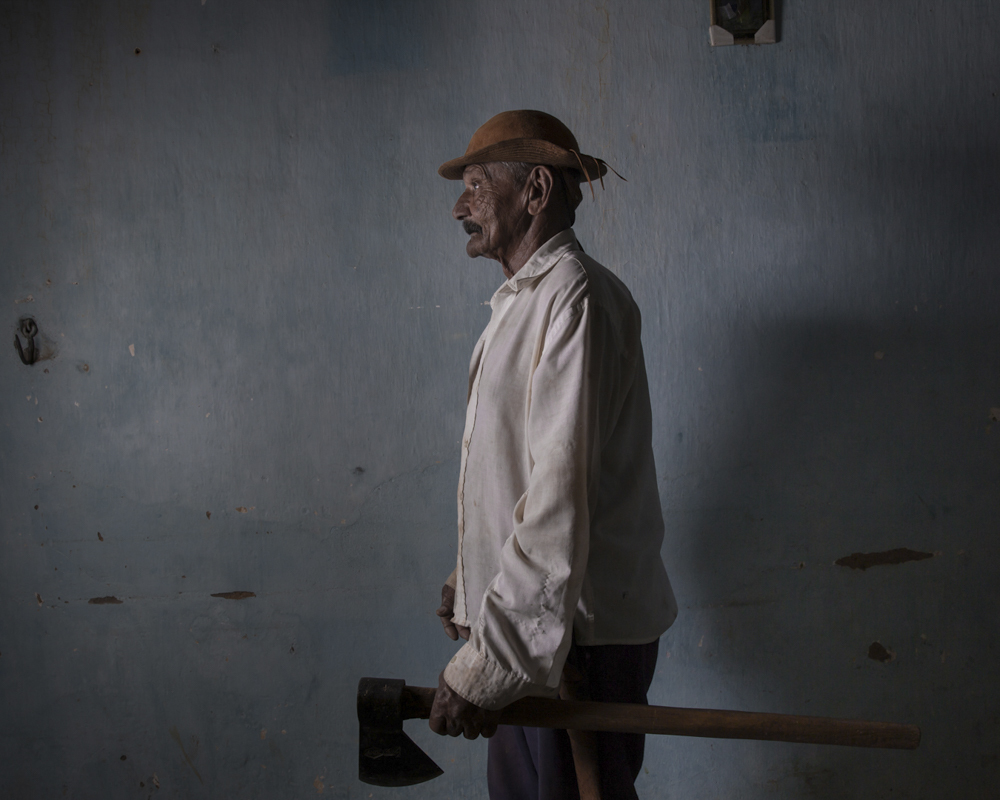
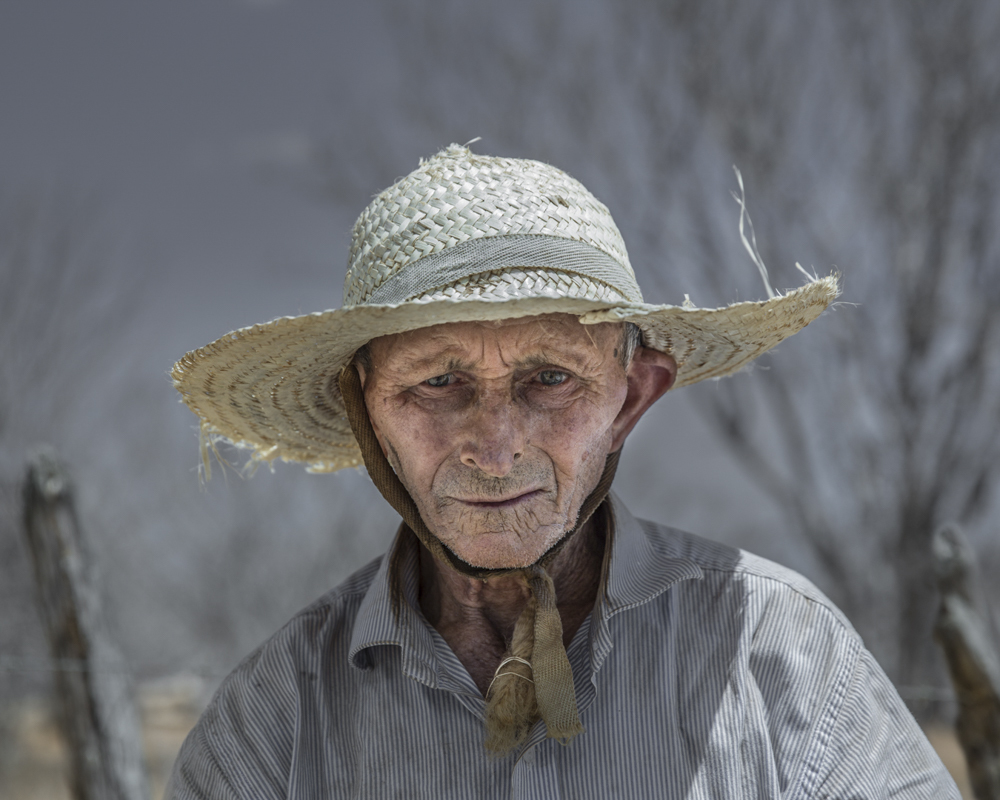
Faced with this emptying, the old generation that remains may
be the last representative of traditional culture, permeating
survival away from their departed heirs. In this difficulty of
convergence between the old and the new, many choose to
remain in their places of origin, perpetuating the connection,
even if alone, with their physical and symbolic universe. The
youth exodus and modernization, in many cases, materializes in
the isolation of the traditional members unable to incorporate
new contemporary
-
BiographyBorn in 1982, Felipe Fittipaldi is a Brazilian photographer currently based in Rio de Janeiro. Bachelor in journalism and post graduated in Communication and Image, he is currently engaged in personal projects related to social and environmental issues. He collaborates with some of the main news publications such as El Pa?s, National Geographic. Felipe has been selected to participate in exhibitions and festivals in Brazil, New York, Paris, Colombia, Rome, Tokyo and was recently given first place recognition at the Life Framer Award by Katerina Stathopoulou (MoMA). He has also been awarded by
-
AwardsBorn in 1982, Felipe Fittipaldi is a Brazilian photographer currently based in Rio de Janeiro. Bachelor in journalism and post graduated in Communication and Image, he is currenlty engaged in personal projects related to social and environmental issues. He collaborates with some of the main news publications such as El Pa?s, National Geographic. Felipe has been selected to participate in exhibitions and festivals in Brazil, New York, Paris, Colombia, Rome, Tokyo and was recently given first place recognition at the Life Framer Award by Katerina Stathopoulou (MoMA). He has also been awarded by Lens Culture Emerging Talents Award 2017, POY Latam Award, National Geographic Photo Contest, SEBRAI Journalism Award, CCSP 2017 Exhibition, Magnum Caravan Workshop 2017 and PEF 2017. In 2018 he was selected by the World Press Photo Foundation for the second edition of the 6x6 Global Talent Program.