Bronze in Fine Art/Still Life / 2025 / Fine Art / Still Life

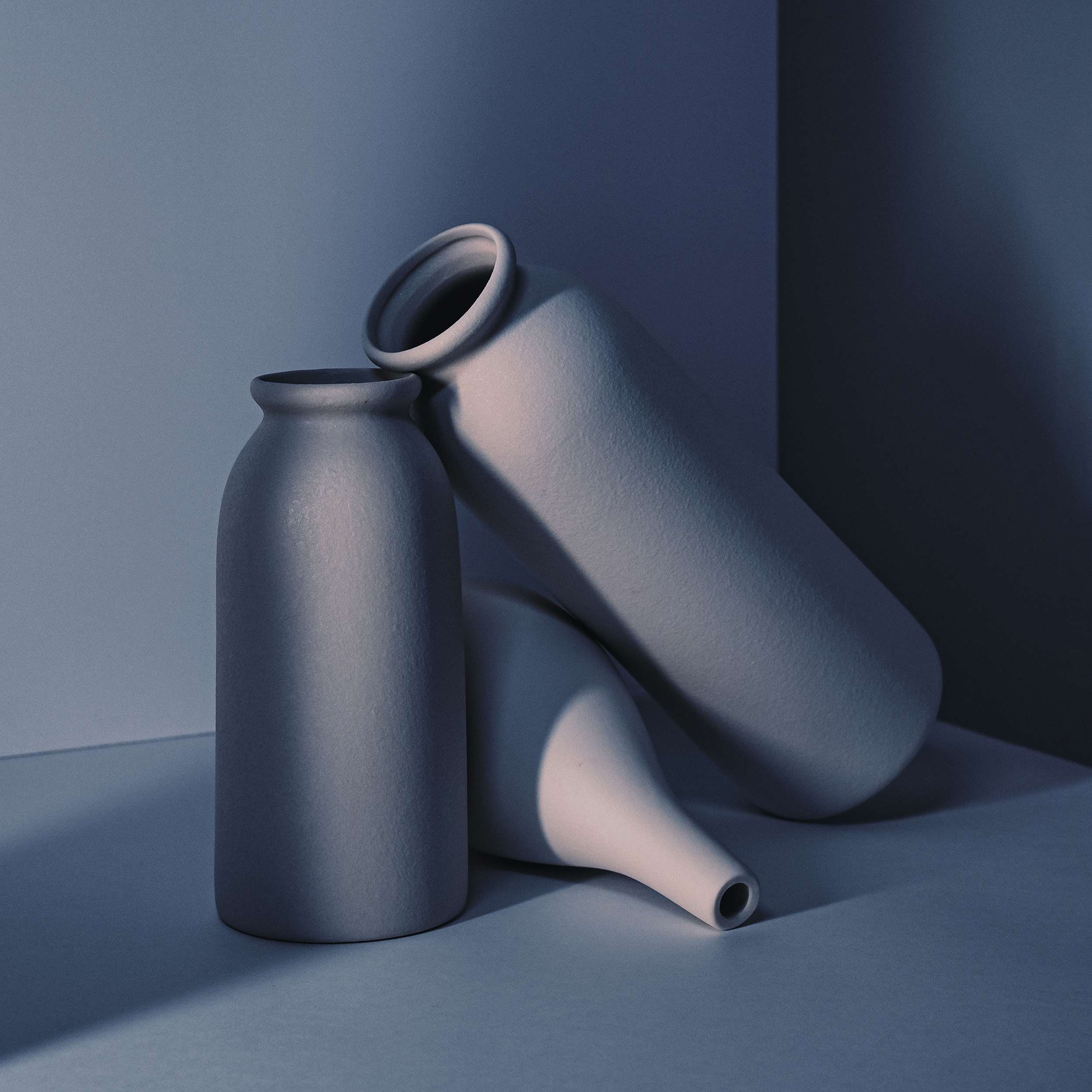
IN PRAISE OF SHADOWS
-
PrizeBronze in Fine Art/Still Life
-
PhotographerKiyoshi Karimizu, Japan
-
Date of Photograph2025/01/14
-
Socials
-
Website
In the Japanese aesthetic sense, beauty resides not in the form and splendor of the object itself, but in the immaterial elements such as shadows, blank spaces, and presence that it creates. For example, the soft light that filters through shoji screens, the luster of lacquerware seen in the darkness of a tea room, or the silence created by the space between rooms - the relationship between “light and shadow” and “the visible and the invisible” is important to Japanese beauty.
-
BiographyI am a Japanese street photographer. I'm shooting my town, street, and casual days. Sometimes I also take still lifes.
-
AwardsIPA2022 Non-Professional Digitally Enhanced 2ND PRIZE IPA2022 Non-Professional NATURE FLOWERS Honorable Mention tifa2022 Fine Art-Special Effects Gold Winner MONOCHROME PHOTOGRAPHY AWARDS2022 STREET Honorable Mention ×2 Annual Photography Awards 2022 Honorable Mention - Architecture: Buildings & Structures London Photography Awards 2023 Fine Art : GOLD WINNER ×2 Black & White : GOLD WINNER ×1 Prix de la Photographie Paris (Px3) 2023 Gold in Fine Art/Still Life Silver in Special/Special Effects Architecture : GOLD WINNER ×1