Matagi
-
Prize
-
PhotographerJavier Corso, Spain
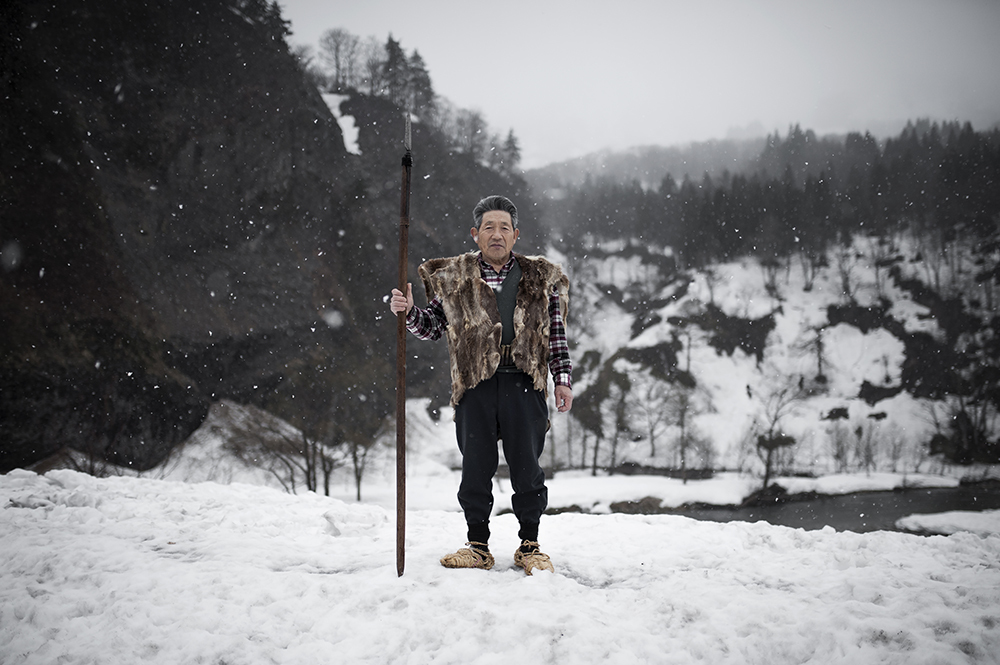
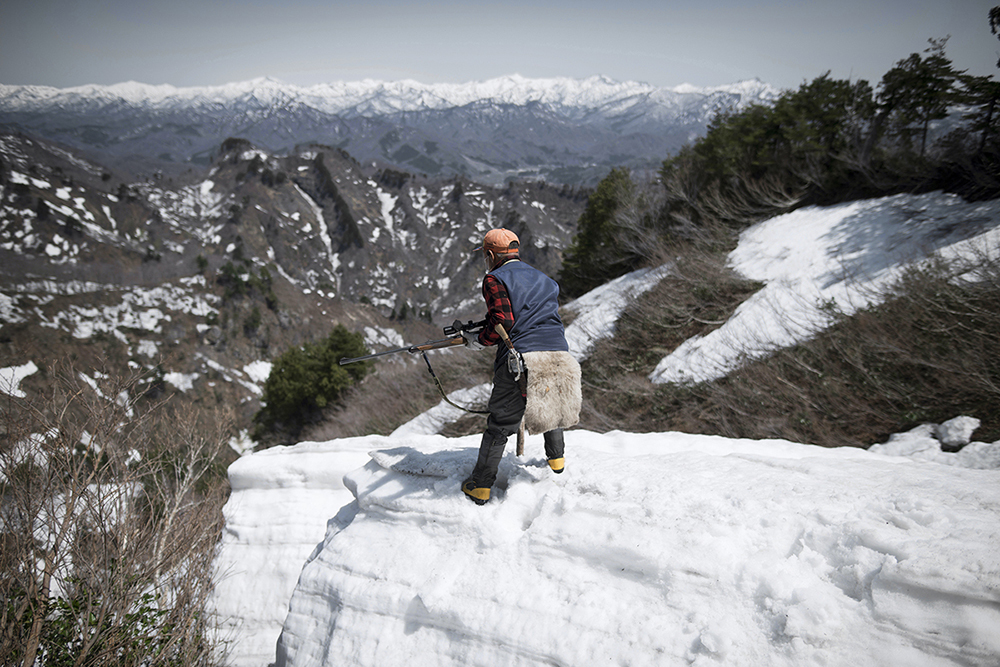
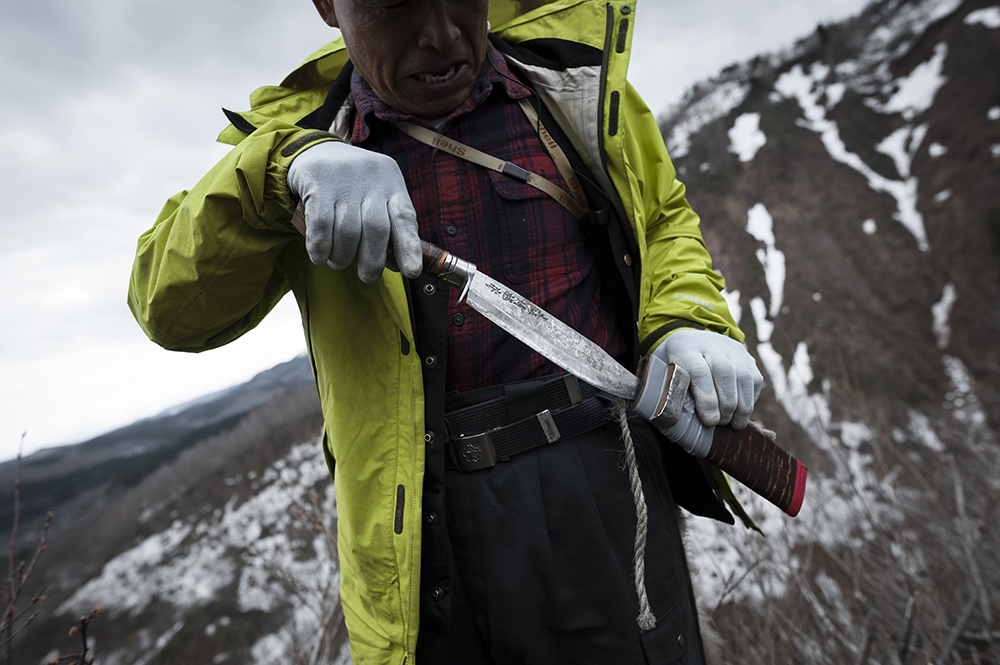
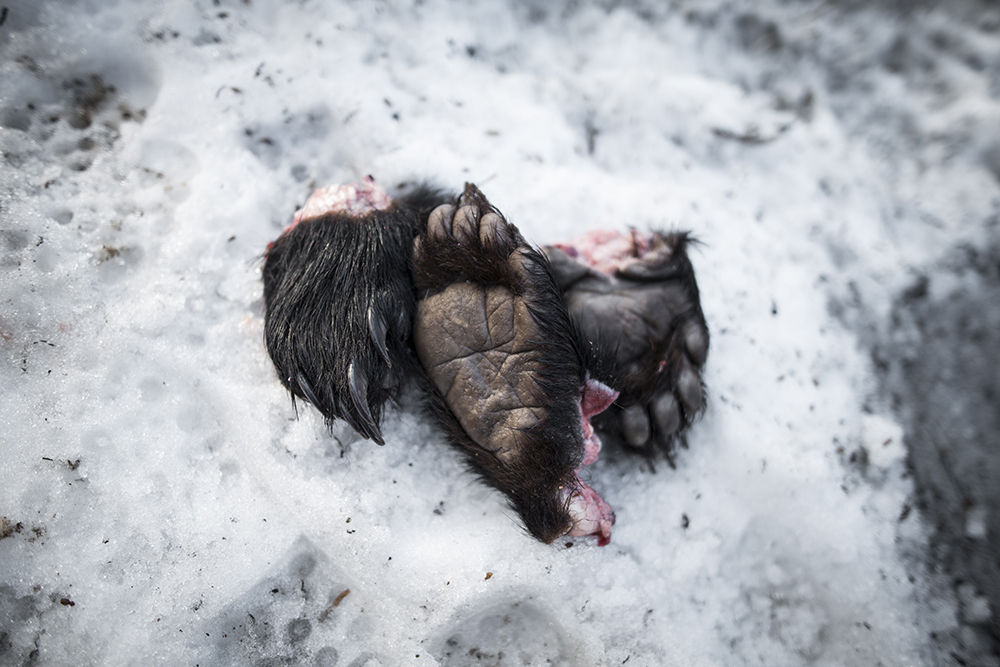
Matagi are traditional hunters living in small villages and
settlements in the highlands of northern Honshu, the main
island of Japan. From its origins, back in the middle of the XVI
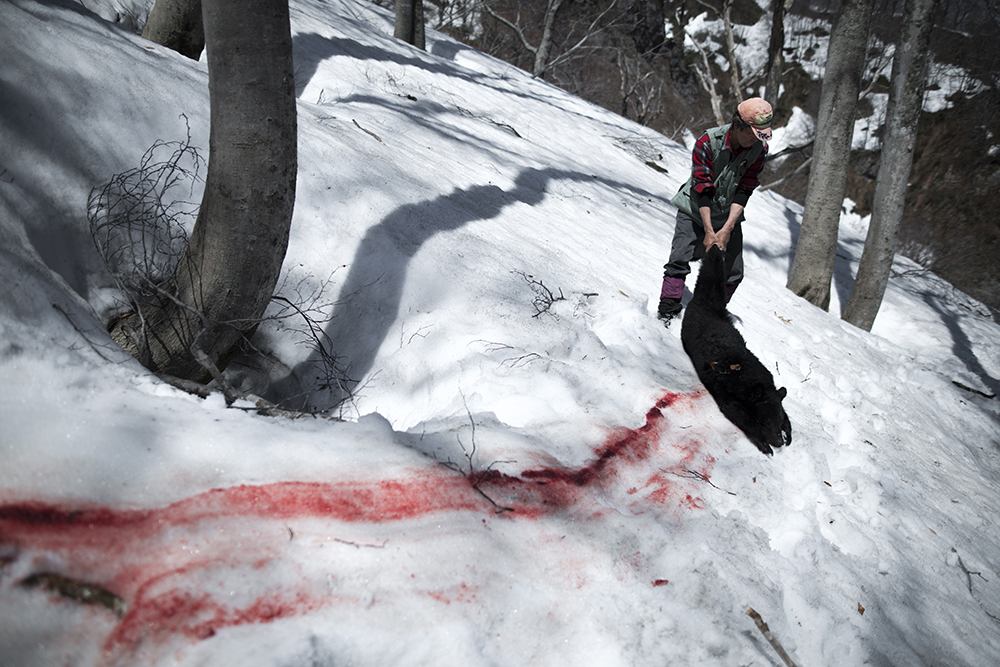
century, they have made a living by selling meat, skins and
other products derived from the hunting. Its main prey is the
Japanese black bear, a subspecies classified as vulnerable and
threatened according to the International Union for
Conservation of Nature (IUCN). Following the Fukushima
incidents in 2011, the State banned many matagi communities
from marketing bear meat, mostly in the prefectures of Gunma
and Fukushima itself, because of the high risk of being
intoxicated by radiation. In 2016, the Japanese authorities lifted
the veto, and the matagi have been able to resume what has
been their main economic activity for centuries. Nevertheless, in
the Japan 21st century, matagi face a more than likely extinction
of their cultural heritage.
-
AwardsJavier Corso (1989) started working as a documentary photographer in 2011. His photographs has been published and exhibited worldwide, included the Instituto Cervantes of New York and the Florida Museum of Photographic Arts. His last projects have been selected in Descubrimientos Photo España 2015 as well as winner the International Photon Festival Grant and the Photo Romania Festival Grant for young photographers. His portfolio has been recognized with three honorable mentions in International Photography Awards 2015 (IPA) and with the third prize in Moscow International Foto Awards (MIFA).