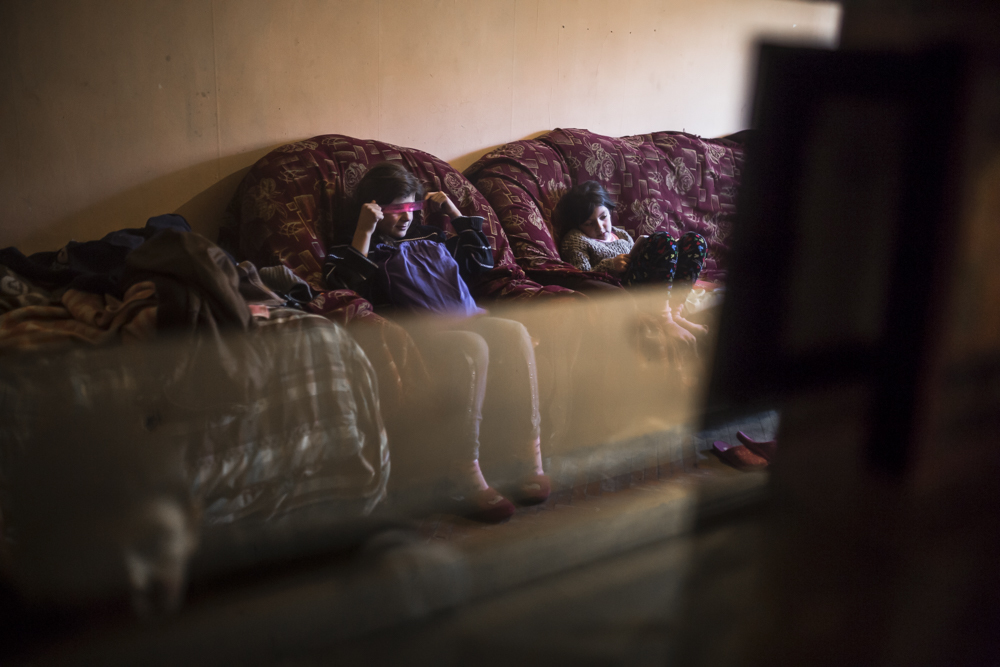
Inhabitants of the Empty
-
Prize
-
PhotographerYulia Grigoryants, Armenia
In 1988, a 7.0 Richter-scale earthquake
struck northern Armenia killing at least
25,000 people. Thousands more were
maimed and hundreds of thousands left
homeless. Gyumri, Armenia’s second
largest city bore much of the damage.
Large-scale war by the early 1990s, the
collapse of the Soviet Union, an energy
shortage, and blockade that left
landlocked Armenia with just two open
borders contributed to exacerbating the
region's already prevalent social and
economic problems.
Today, Gyumri has the country’s highest
poverty rate at 47.7%. The city has lost
nearly half of its population. Few
thousand families are still living in
makeshift shelters. Many of them are
not eligible for new housing, since they
are not considered as direct victims of
the earthquake.
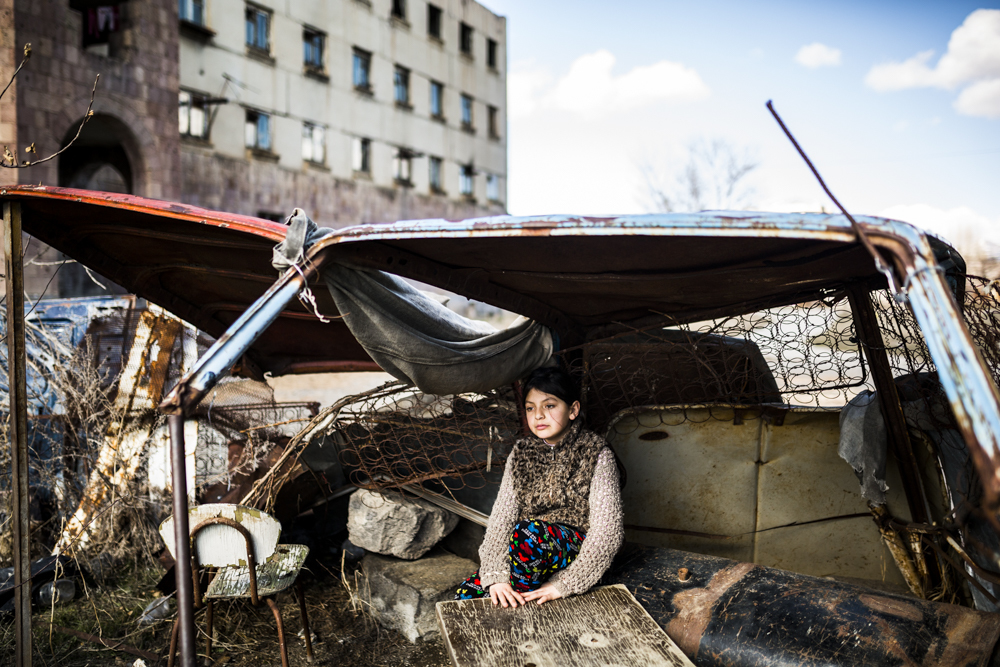
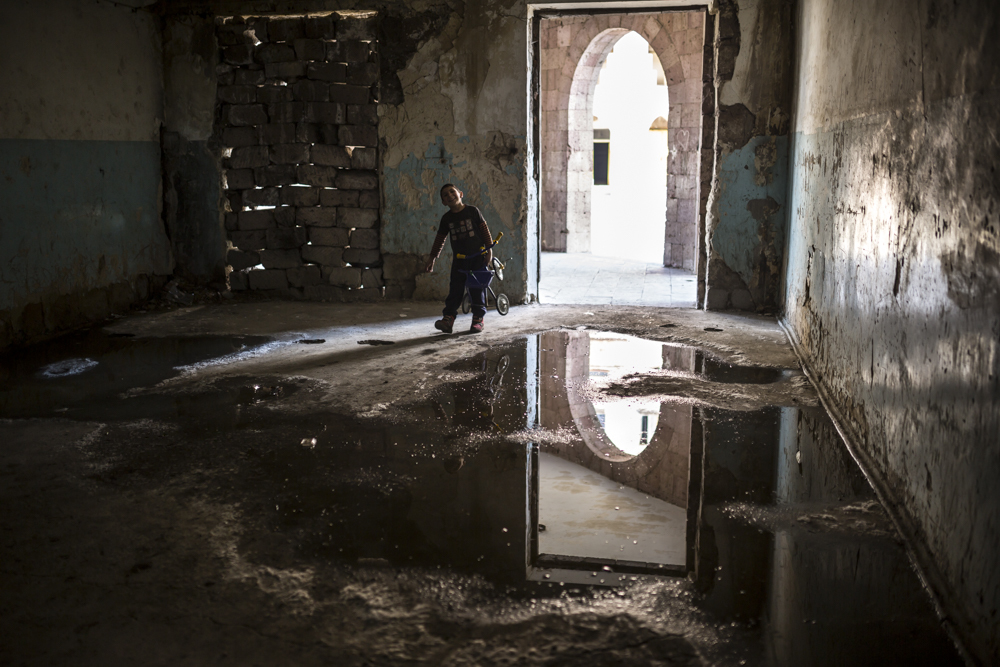
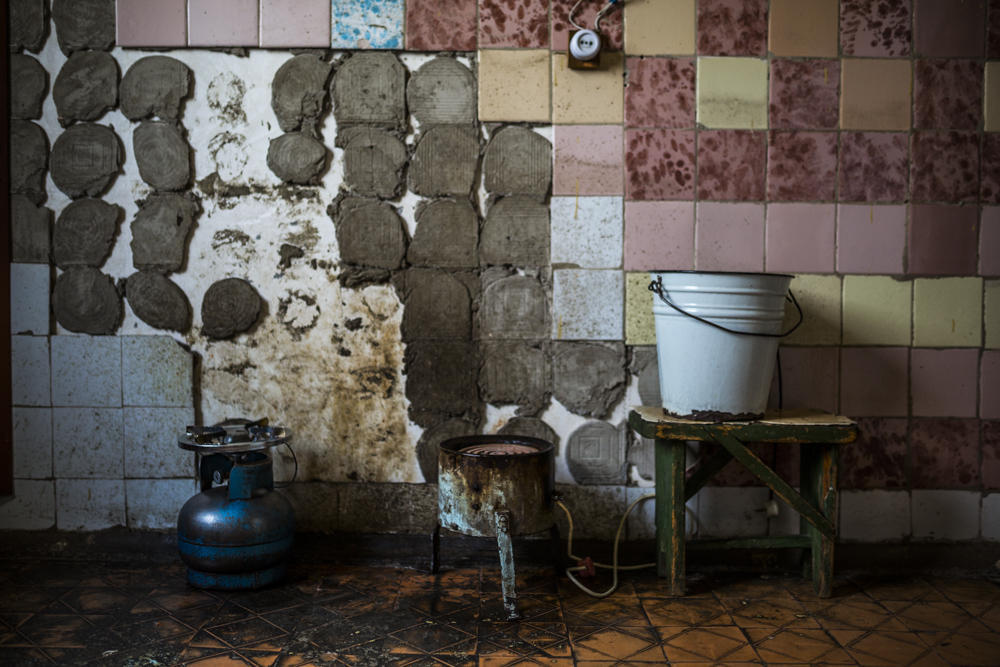
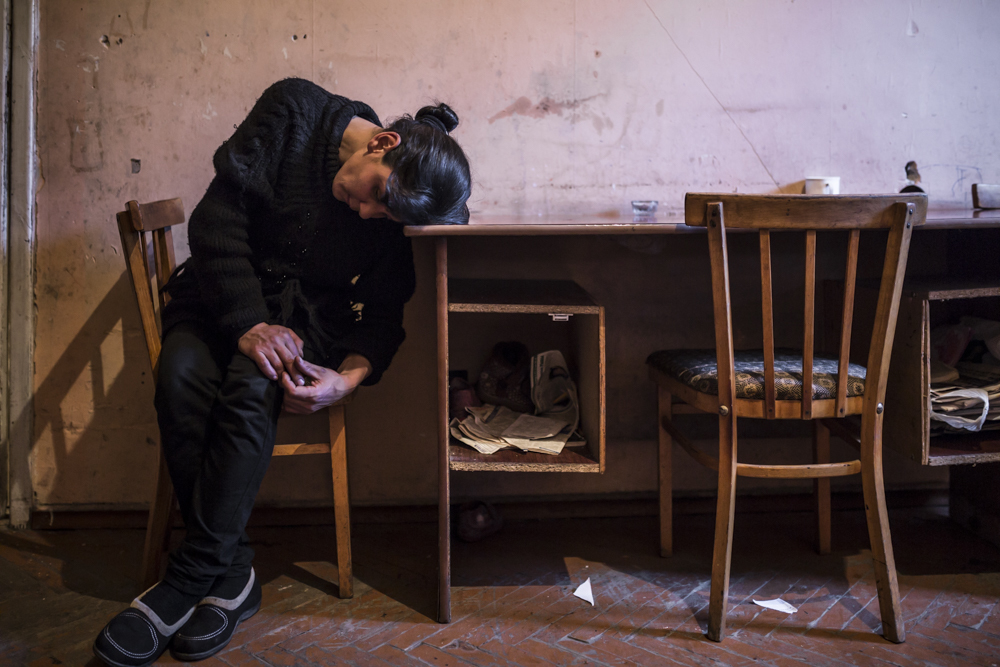
During the Soviet era, these huge twin
dormitory buildings on the outskirts of
Gyumri accommodated around 60
families each. Today there are just four
families living here, among decaying
walls and corridors.
-
AwardsNominated for Lucie awards(2016) Shortlisted for Sony World Photography Award