Screams of Africa
-
Prize
-
PhotographerGianfranco Ferri, Italy
-
StudioHM
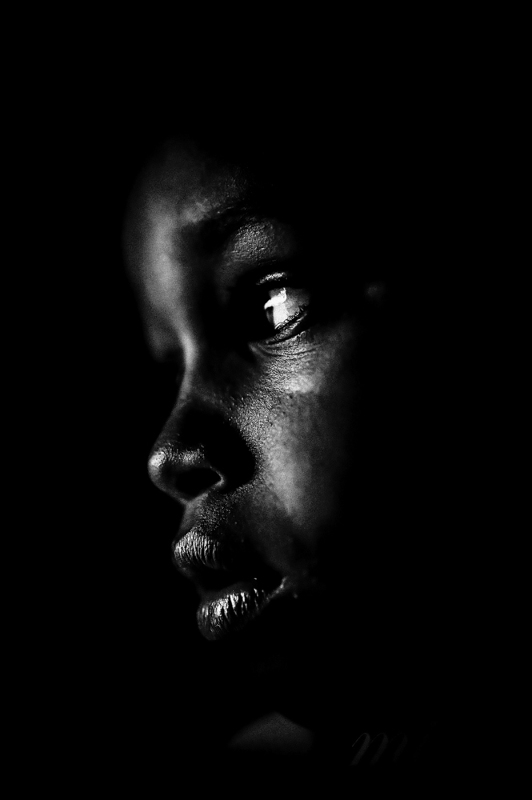
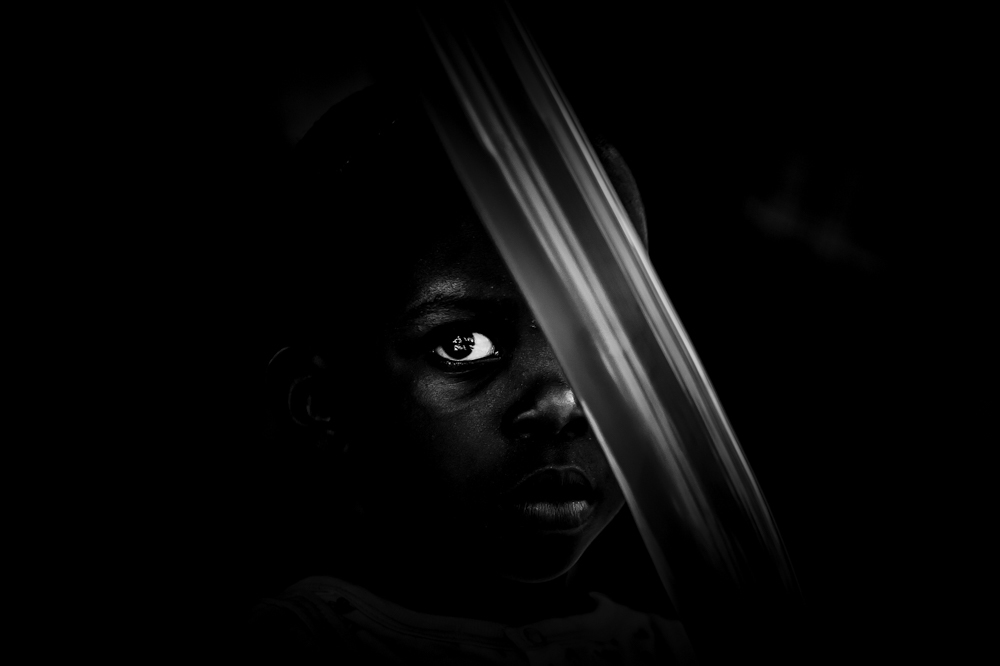
This sequence of images has been realized to stigmatize a kind
of communication that does not leave any space to ambiguities
of interpretation. It is intentionally composed by a first face that
looks far from the others. It is the identity of Hope, that never
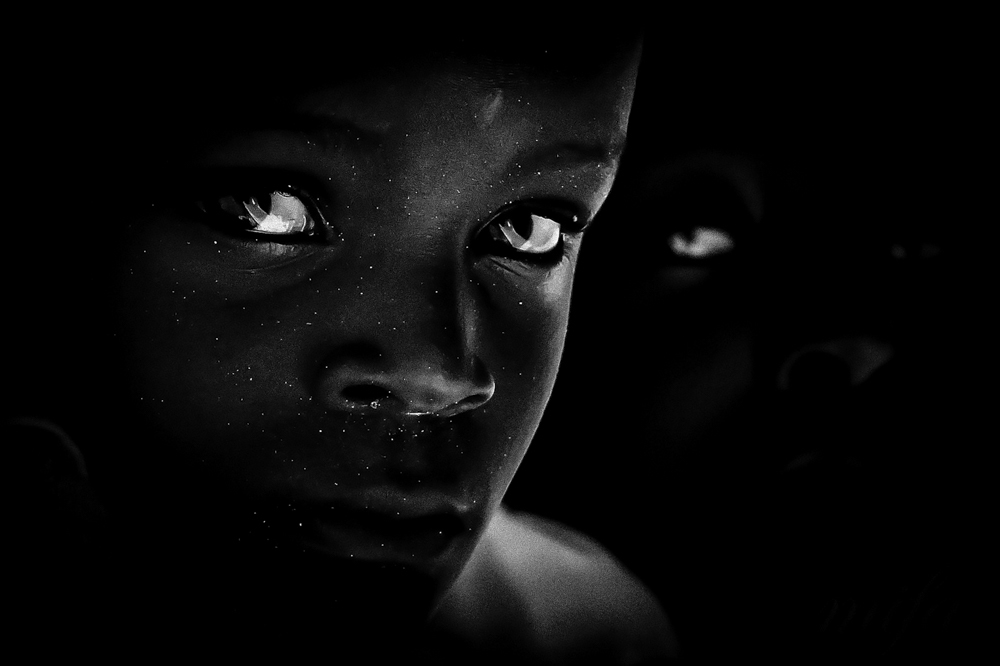
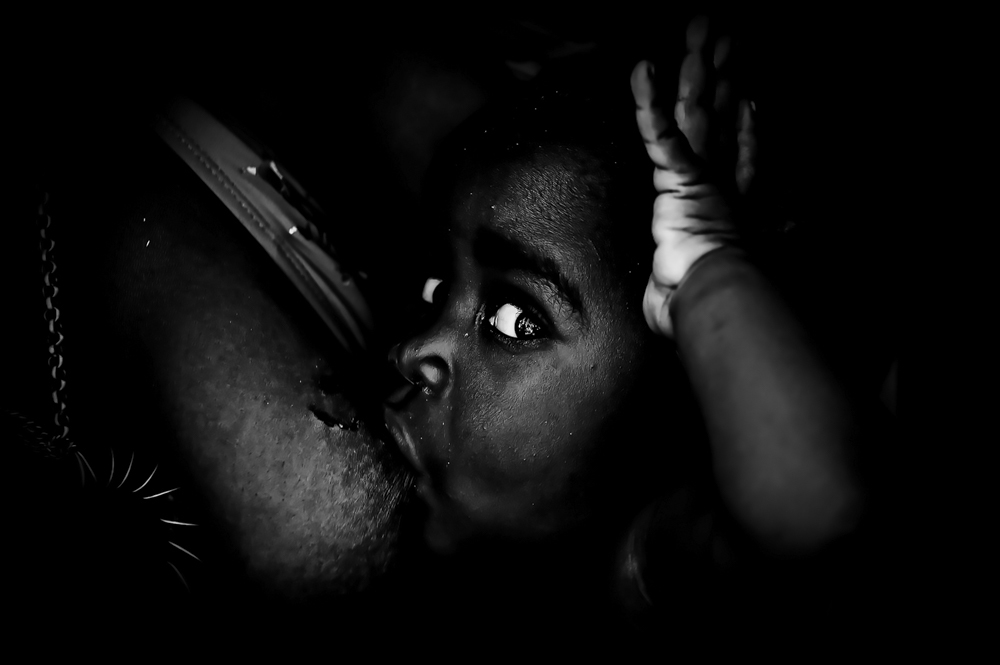
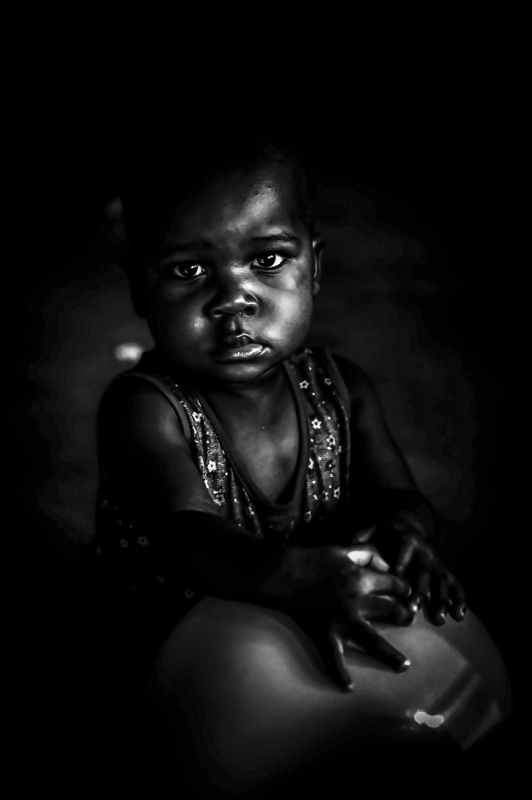
dies and always looks forward. The other kids come from
haggard villages or orphanages of the site, everyone of them
living in different social contexts, but also owning the same
sphere of necessities (affection, food, health and instruction).
As many other children in Kenya, their eyes impress something
like a silent help request, that is screamed loudly, at the same
time, through the strong contrast of black and white, every face
pictured in an independent psychological space, everyone of
them with his own strength of communication, everyone linked
to the same dramatic faith, the lack of certainties and
perspectives. When I walk through the streets and I meet them
in my Kenya, even if I’m absorbed into the colourful world of
Africa, everywhere I can only see their big, white, bright eyes
that scream out their needs and their dreams; these are the
shouts of my Africa, which breaks my heart every time I come
back, which breaks my heart every time I think that it’s
impossible to me to embrace them all. Those are the shouts of
Hope that resound to the spectators with the frustration of an
unbearable impotence.
When I look at them I only see their eyes...
As if I’m walking through the night...
With an heavy stone in my chest...
And a nut locked in my throat...
Only their eyes...
It’s an unbridgeable emptiness...
In which their screams resound...
Till they make me mad about deafness...
-
AwardsMOSCOW INTERNATIONAL FOTO AWARDS 2017 3rd place winner category events PARIS PX 3 PRIX DE LA PHOTOGRAFIE 1ST place winner category people /book proposal 2ND place winner category wedding honorable mention category people TOKYO INTERNATIONAL FOTO AWARDS 2016 1ST place category winner people gold winner subcategory people/children 10 honorable mentions category people/lifestyle/wildlife/ architecture interiors/editorial photo essay/portrait MOSCOW INTERNATIONAL FOTO AWARDS 2016 3rd place subcategory winner people/wedding 10 honorable mentions category nature /wildlife/people/culturefine art portrait/lifestyle/fine art landscape/family/editorial conflict INTERNATIONAL PHOTO AWARDS 2015 ONE SHOT TEME COMPETITION ” THE FAMILY OF MAN ” 2 honorable mention category childhood/youth INTERNATIONAL PHOTO AWARDS 2015 3 honorable mentions category people /children /event / tradition and cultures MOSCOW INTERNATIONAL FOTO AWARDS 2015 : 3rd place category winner editorial / conflict 9 honorable mentions category people/culture/lifestyle/fine art portrait//children/fine art landscape