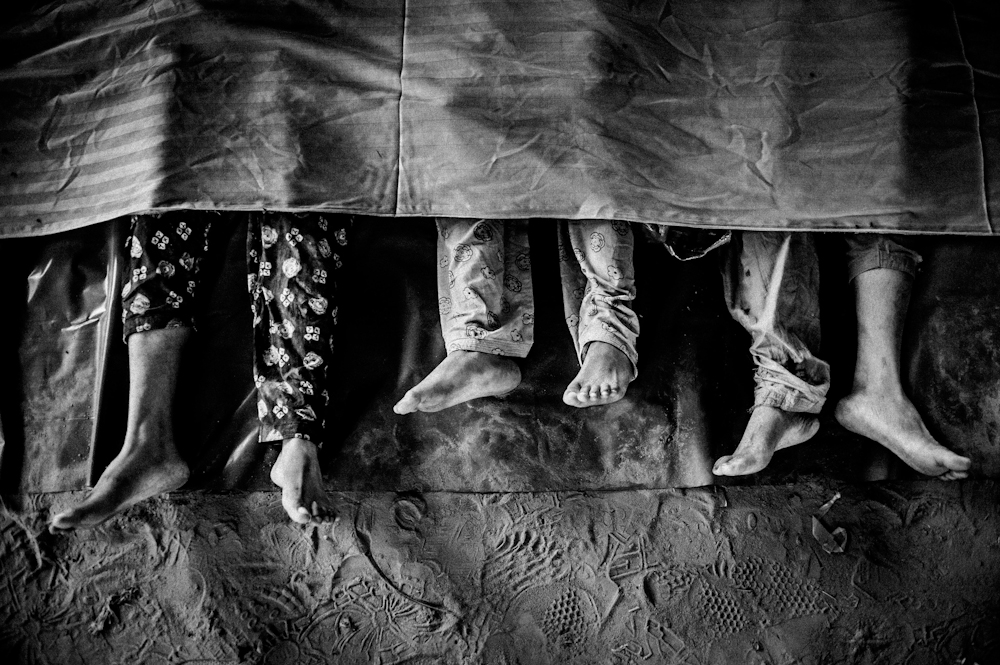
Collapse of Rana Plaza
-
Prize
-
PhotographerRahul Talukder, Bangladesh
-
Studioself_employed
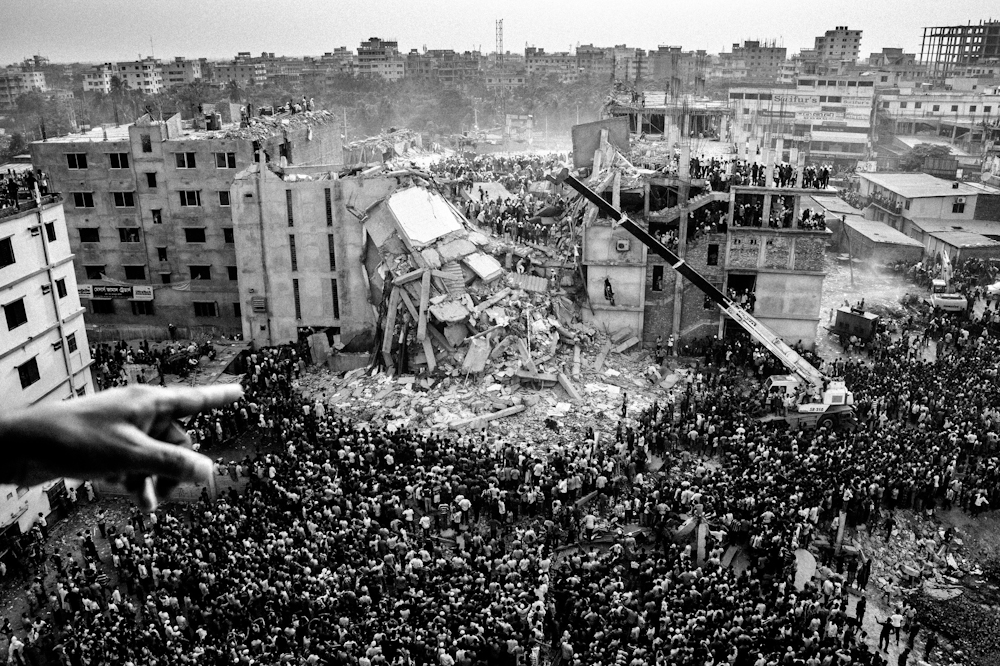
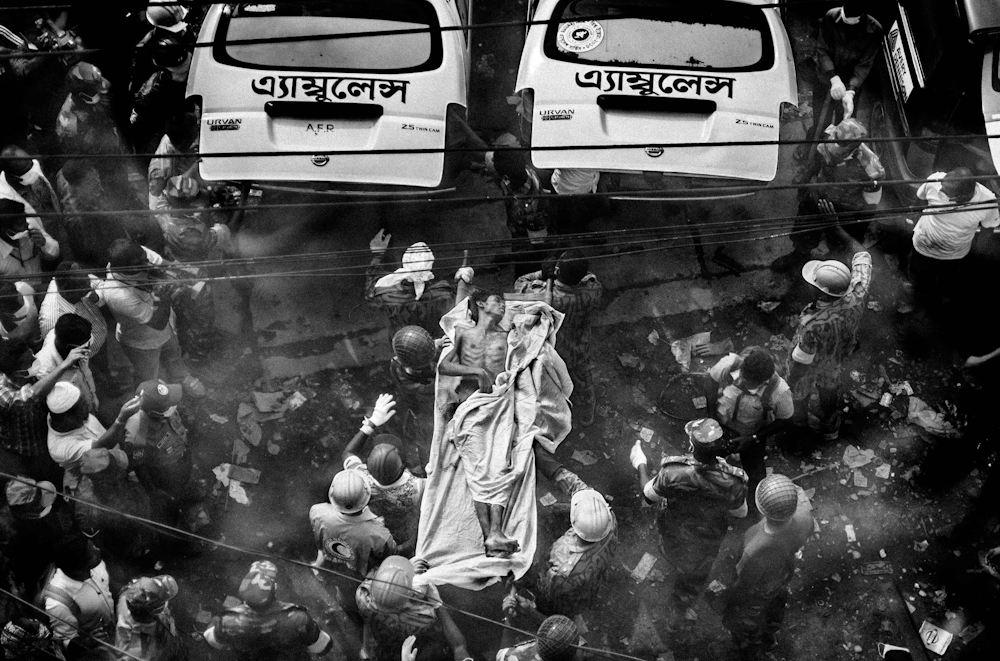
On 24 April, an eight-story building collapsed in Savar, near the
Bangladeshi capital Dhaka, killing more than 1,100 people. Rana
Plaza, which housed five garment factories, had been designed with
only six stories and intended for shops and offices only. Two further
stories had been added, and the collapse was in part blamed on the
weight and vibration of the garment factories’ heavy machinery. Rana
Plaza had been briefly shut down the day before, when cracks
appeared in its walls and pillars, but factory workers had been called
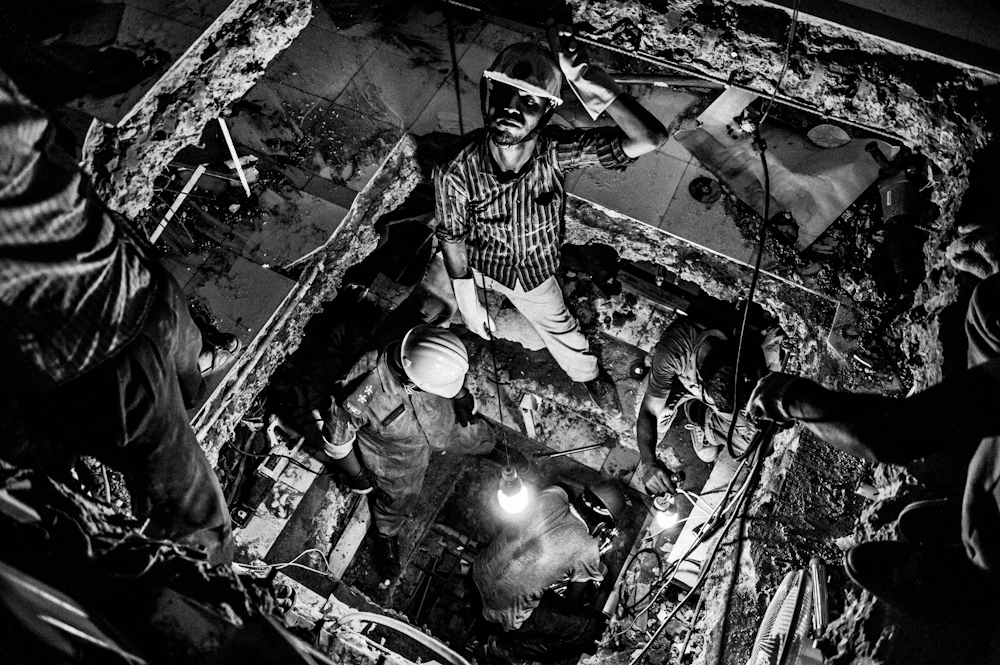
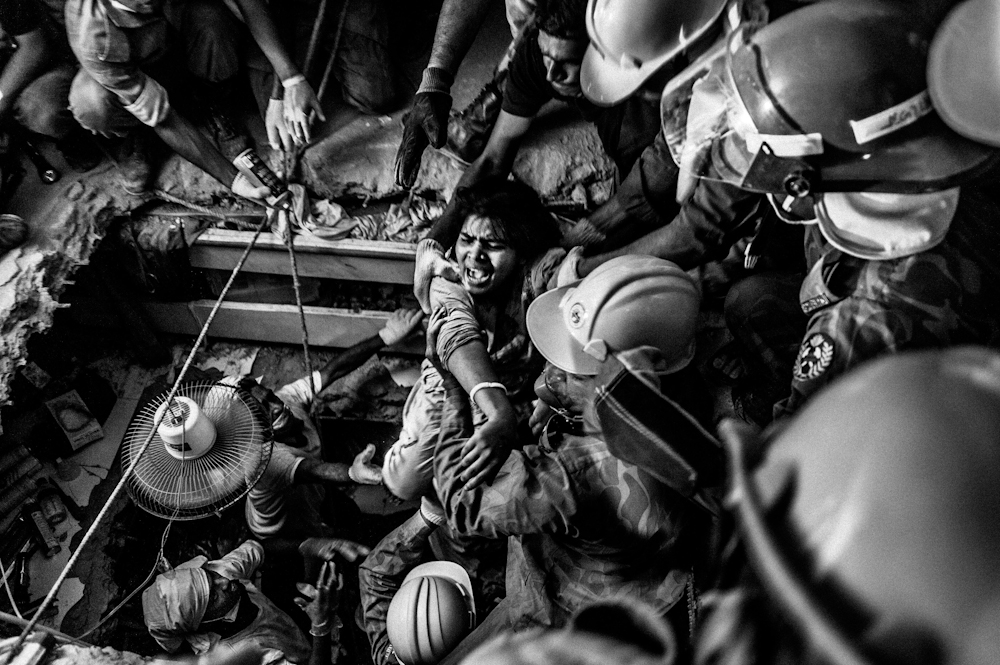
back in, hours before the building fell. Rescue operations took nearly
three weeks. Workers in Rana Plaza made clothes for popular
Western brands. The disaster highlighted the hazardous conditions
workers face in Bangladesh’s €16 billion garment industry, where
many are paid as little as €30 a month. Only a few of the brands using
the factories attended a meeting of the world’s largest retailers in
Geneva, in the aftermath of the Rana Plaza collapse, and four made
contributions to a compensation fund for victims and their families.
-
AwardsRahul Talukder is a documentary photographer born in Bangladesh in 1991. What started as a passion for street photography later turned into a career choice. In 2011, he joined Pathshala to study documentary photography. Since then, he started working on different socio-political and cultural issues. In 2013, he followed up on the protests for and against the accused of The International Crimes Tribunal (Bangladesh). His recent works illustrate the various issues related to the garment industry. In 2014, he won World Press Photo Award in the Spot News story category. He has been awarded as the highly commended in Ian Parry Scholarship 2014, Runner up in the Alexia Foundation Student Grant 2015 & selected as a Finalist in Sony World Photography Awards – Student Focus 2014. He is also one of the winners of Magnum Photos 30 Under 30 & 4th Lumix Foto Festival - Freelens Award .