Life Science
-
Prize
-
PhotographerEran Gilat, Israel
-
StudioPrivate
Eran Gilat is a Neuroscientist and an avid Fine Art Photographer.
Eran's research focus on the study of the mechanisms underlying
epilepsy, and the development of innovative cure for this illness.
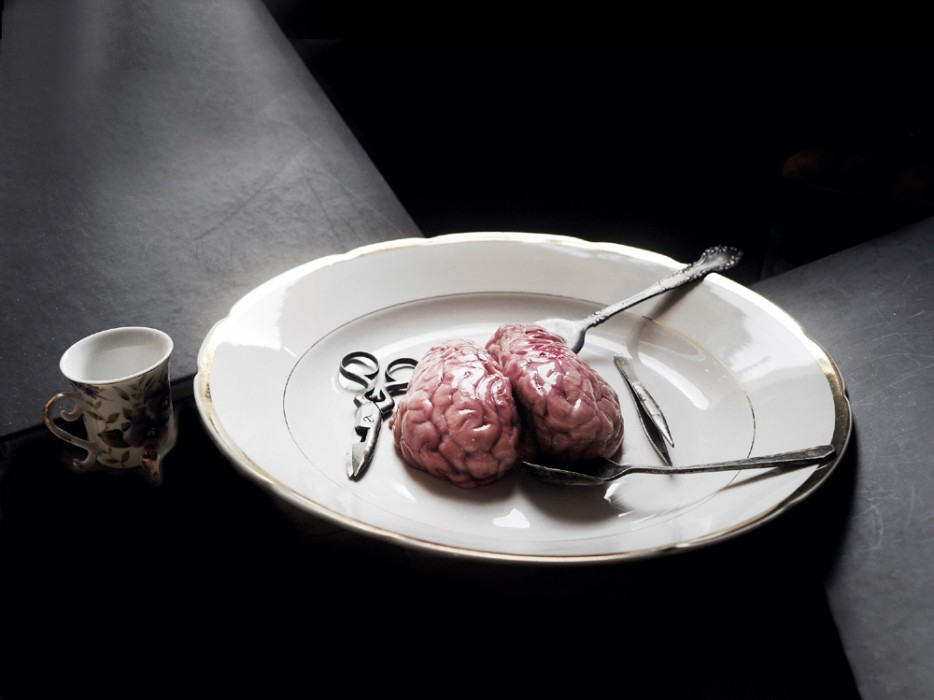
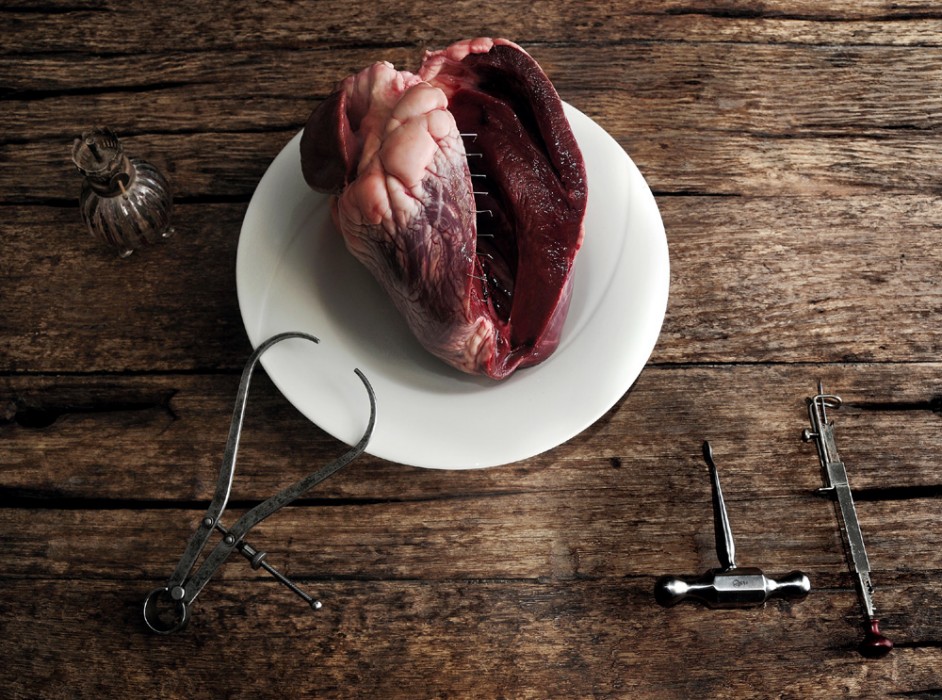
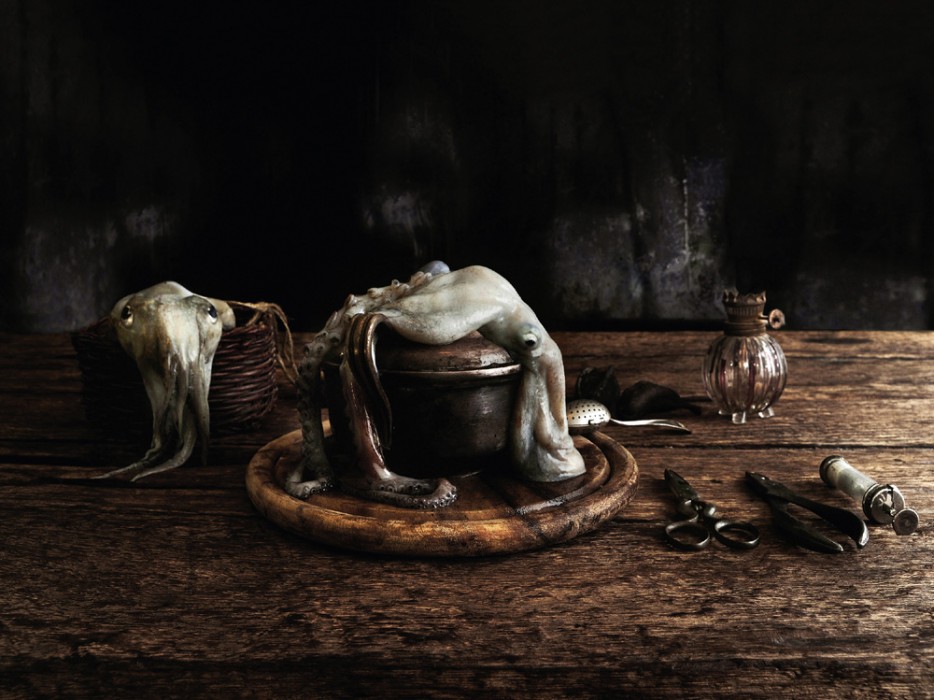
In recent years Eran found himself directing vast attention to still life
photography in addition to conceptual portraiture, highly inspired by his
long lasting confrontation with biological tissues and para-clinical
constellations for the study of Neuroscience. Eran deals with the
aesthetics of the scene, improvising various contexts, the tools and
paraphernalia shown are not just the typical ones used in the clinical
operating place. It takes a while for a young clinician or a researcher
to accommodate the laboratory or hospital scenes to enable good
performance" states Eran. This is done by extensive training; some
cannot adjust to the visuals. Eran feel, his photographic activity carries
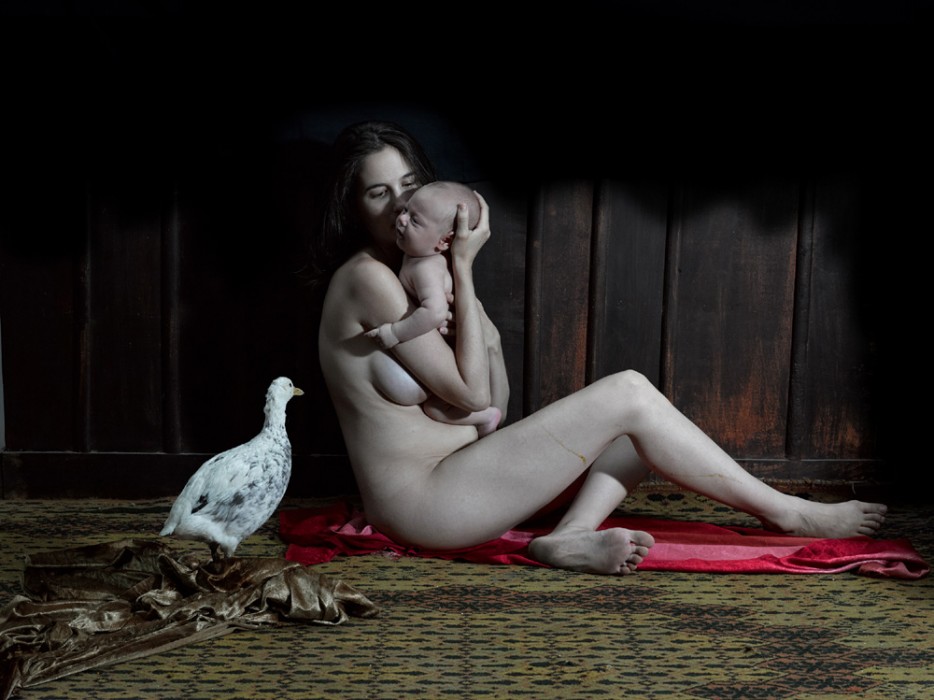
him to these regions too. His "Life Science” project is forcing the
biological tissue into a relatively pleasant, sometimes artificial
scenarios contemplating disquieting issues of materialism and
mortality, corresponding with the complicated and intriguing category
of “Animal reminder” in the visual arts.
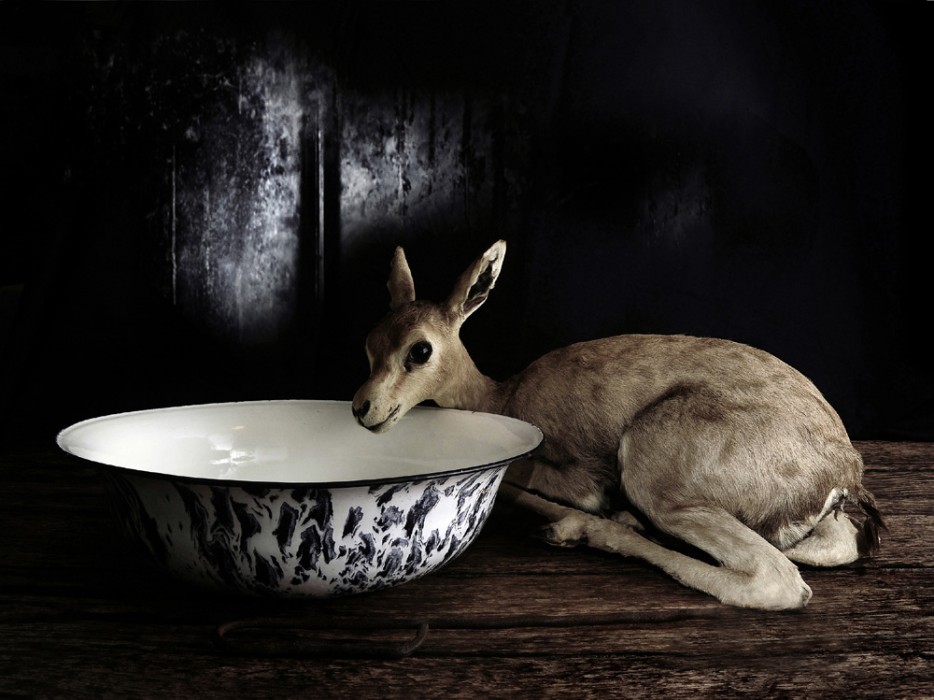
His extended “Life Science” series negotiates also the immoral
reasoning for various toning of human violence, insecurity and exile.
Eran does not point to a specific conflicts; "I just contemplate with the
aid of my visuals the unnecessary transformation of a human being to
an “uprooted” one under the use of viciousness. We tend to describe
violent humankind behavior as an animal like beastly revolting one,
associated with animal violent behavior. But the animal world is
dictated purely by survival rules due to inexorable, harsh selection
process. No one will consider the employment of the essentials
measures for the preservation of the species as cruel ones; this was
previously emphasized by Charles Darwin and recent eminent
scholars" states Eran. Eran believes that in many aspects we are
inferior to the animal world moral conduct, while evidently being
superior in our intellectual competence.
# All specimens are derived from Natural History Facility
-
AwardsEran Gilat is a Neuroscientist and an avid Fine Art Photographer. Eran's scientific research focus on the study of the mechanisms underlying epilepsy. Eran's photography was introduced in solo at the New York Photography Festival (2011) and surprised him with immense supporting reactions. It was invited to leading galleries in Israel, and numerous invitations followed including: FOTO8 London and Lensculture Paris, Lodz Fotofestival GradPrix, Arles Gallery Huit, Philadelphia Photo Art Center, Cape Town Photography Festival (MoP5 2012), twice at the San Diego Museum of the living artist, Solo at the Athens Photography Festival 2012, Millennium images - London first prize 2012, Edward Hopper Art Center- NY with Jury Recognition Award, Cambridge University Gallery, Bulgarian Photo Academy (solo) , the Jerusalem - On The Seam Museum , the Griffin Museum of Photography (Boston) , The Center for fine art photography Fort Collins and NIKON story telling Award Tokyo Exhibition (2013). At present/soon at the Auckland Photography Festival and the Royal Photographic Society Print 157 exhibition, the New York Hall of Science Museum “BRAIN” exhibition, GERA Museum (Serbia) and PhotoPlace Gallery (Vermont). Life Science is invited for a solo in the Sidney Photography Festival, 2015. Project images were featured in numerous international magazines, for eample: Sunday Times – Spectrum, GUP, Trendtablet, Tribe, loeildelaphotographie, PH magazine, Lensculture, ArtesMagazine, Prism photomagazine, Blur Magazine, L'oeil de la photographie, Archivo Magazine, Shots Magazine, Hungary Fotomagazine, Two South Korean Photography Magazines and NY Musee Magazine. Books: Featured in "An Eye for an Ear" Arles Open Salon book, in The Center for fine art photography – Portfolio 6 and in the “Unlimited Grain Gallery” 2014 book. Will be featured in Gomma 'Suture' book (2015). Recent relevant links: http://www.gupmagazine.com/portfolios/397-life-science http://www.artesmagazine.com/2012/09/photography-and-neuroscience-seek-common-ground-in-the-realm-of-old-masters/ http://www.milim.com/work.php?&id=210 http://www.milimgallery.com/news-article.php?id=Q04NDVZYVM http://www.edwardhopperhouse.org/currently-on-view.html http://www.trendtablet.com/16052-life-science/ http://www.loeildelaphotographie.com/2015/03/07/the-eye-of-readers/27476/eran-gilat-life-science