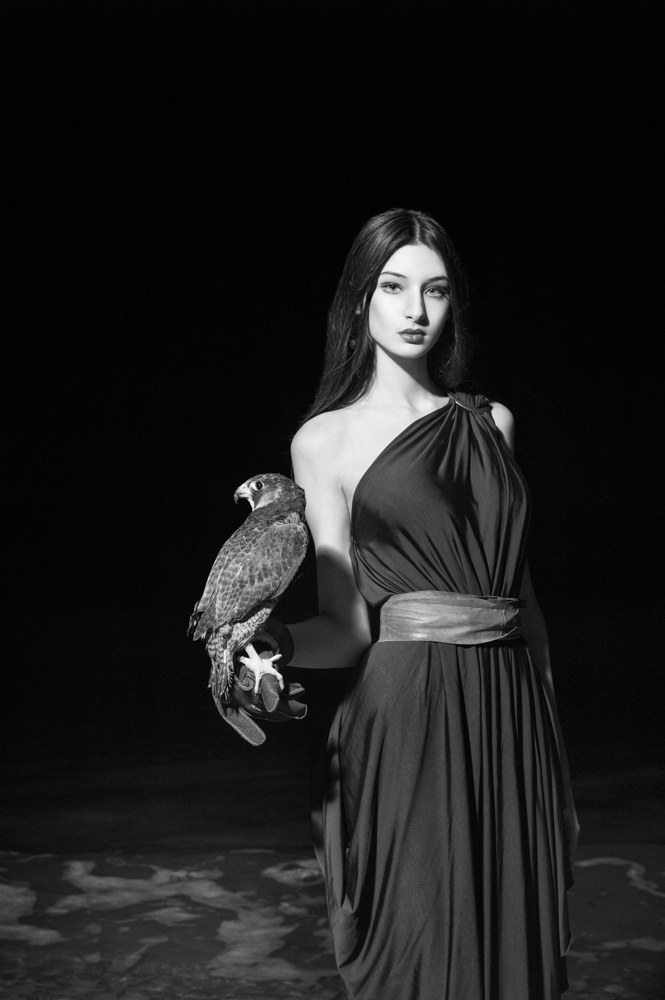
Africanae
-
Prize
-
PhotographerMarc Erwin Babej, United States
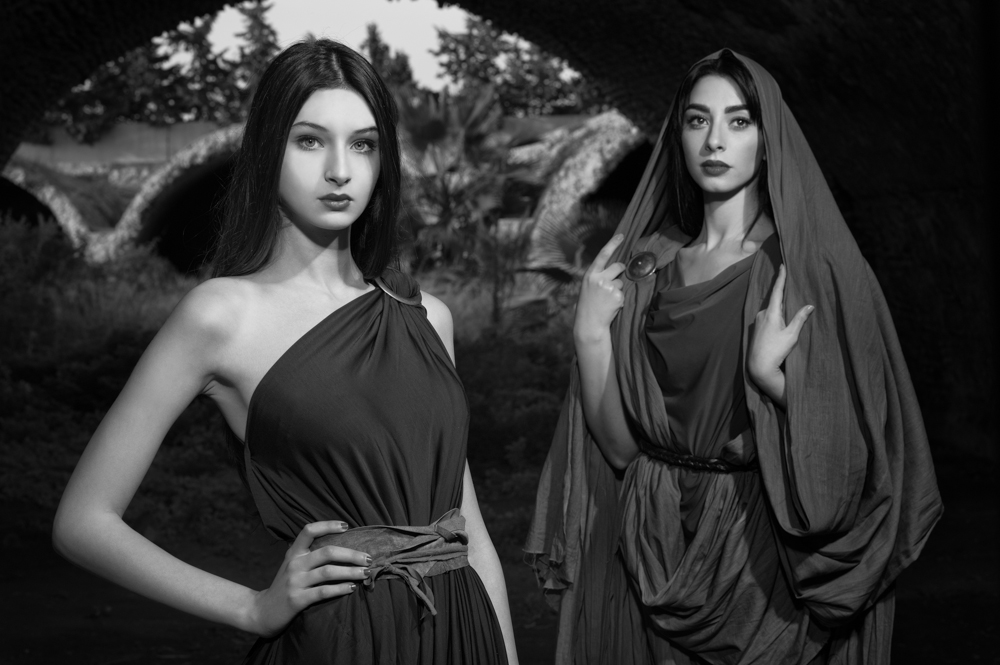
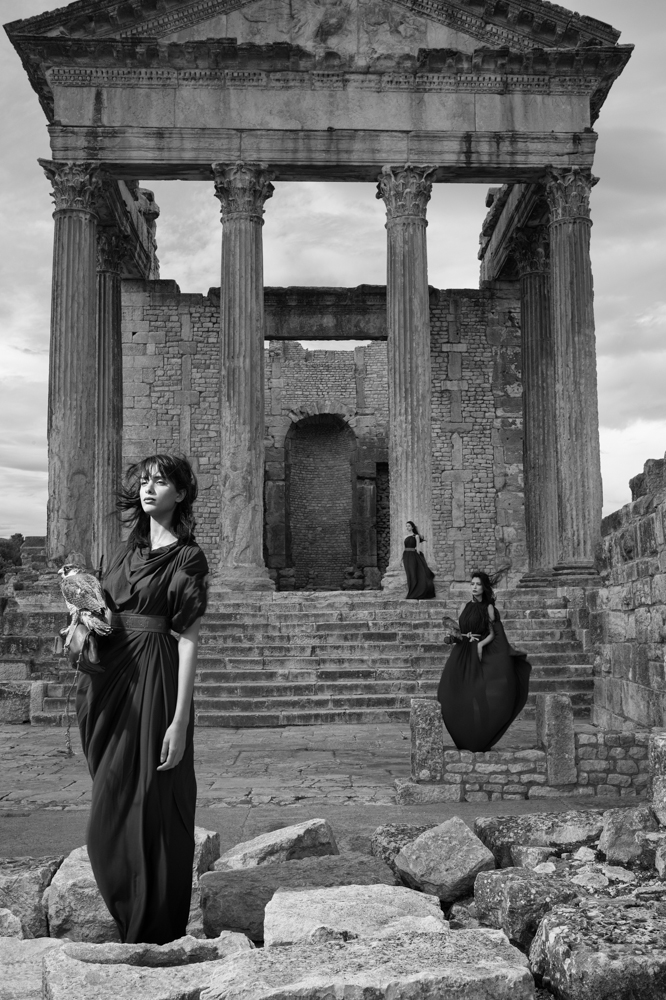
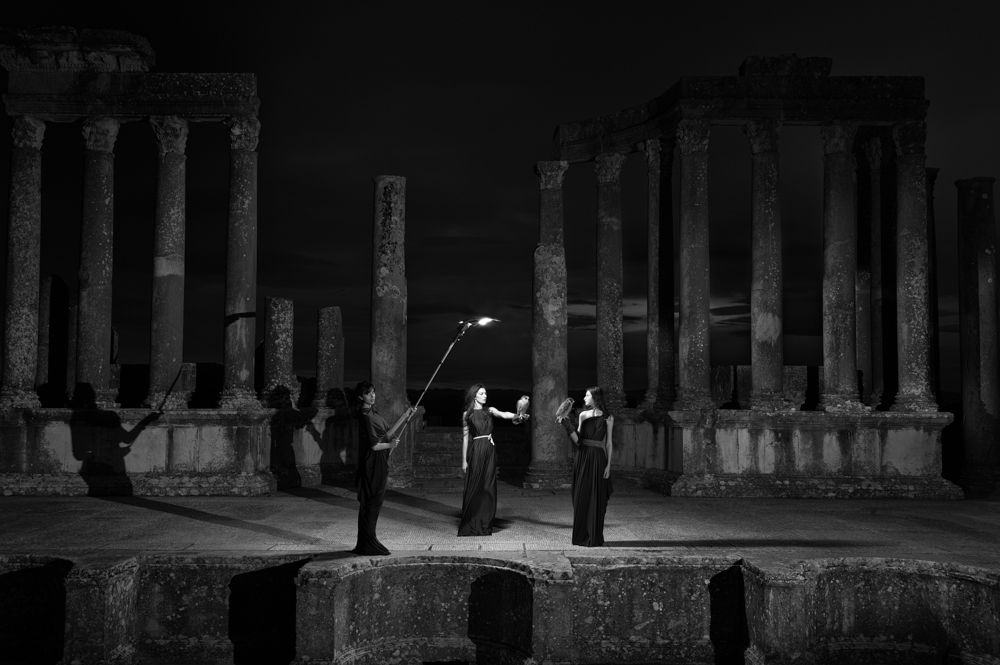
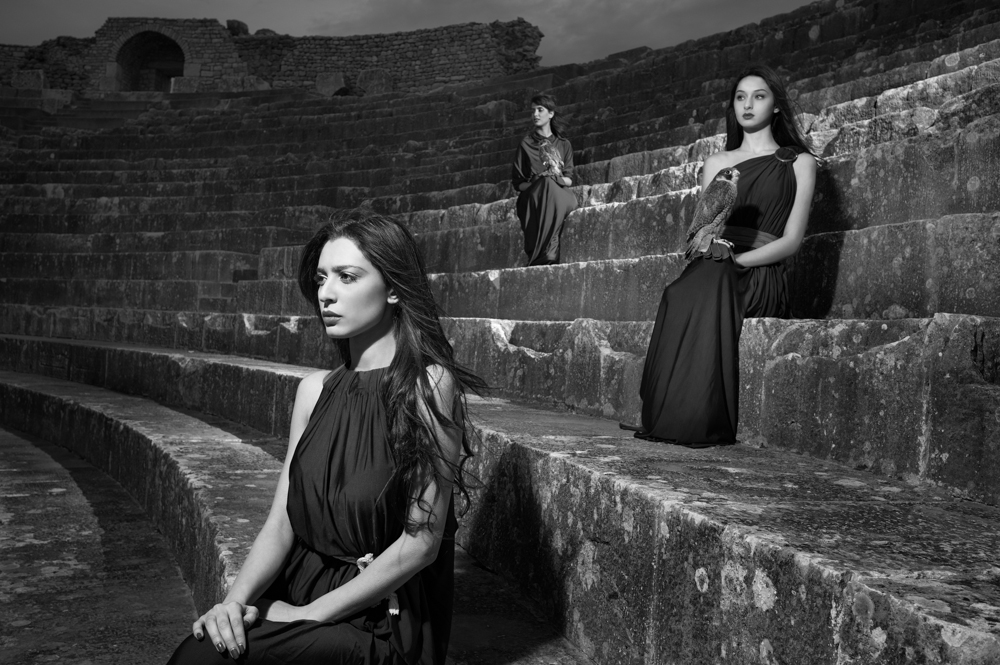
The series Africanae, sets four young the women in the mirror of their history: the Roman cisterns of Carthage and the Roman town of Dougga. Before the Arab conquest in the 7th century, today’s Tunisia was part of the Roman province of Africa for more than half a millennium – integral to culture and commerce, producing leading administrators, writers, jurists and emperors.
Carthage, with a population of 500,000, was the third city of the empire, behind only Rome and Alexandria. Thanks to Rome’s cultural syncretism, non-racial worldview and increasingly open door to citizenship, Africa became a model for a multicultural, multilingual Roman society.
Yet, even for secular, pro-Western, Tunisians, identification with Rome does not come easy: As a reaction to European colonialists, who appropriated Tunisia’s Roman past to bolster their own sense of supremacy, Tunisian nationalists tended to identify with the Punic past. An appealing anti-colonial narrative – but a dead end, as little of Punic culture is extant.
At a time when the future of secularism in Tunisia's is in the balance, Africanae shows Tunisians as full-fledged heirs of Roman civilization – and Tunisian women as sisters to women in the European parts of the empire.
The question for secularist Tunisians today is not whether they should incorporate their Roman into their national identity – but whether they would be willing to stomach the consequences of not doing so.
-
AwardsFine Art Photographer Columnist, Arts, Der Spiegel Columnist, American Photo Contributor, The Leica Camera Galleries: AB (Zurich), Adamson (Washington, DC); Amstel (Amsterdam); Pashmin (Hamburg) Fairs: Pulse Miami 2013; (e)merge Washington, DC 2013; Scope NY 2014 SELECTED PUBLICATION Chernogirls DER SPIEGEL (Germany): Post-Sowjet Ära – Chernogirls in der Sperrzone (Minsk – Chernobyl) La Repubblica (Italy): Le “modelle di Chernobyl” traslocano a New York (NYC) La Repubblica (Italy): ”Chernogirls”: l’Unione sovietica e le nuove generazioni (Minsk – Chernobyl) The Leica Camera: Bringing Chernogirls to New York City (NYC) The Leica Camera: Chernogirls (Minsk – Chernobyl) Cheek Magazine (France): Les Chernogirls, Nouveau Visage de l’Ukraine (Minsk – Chernobyl) Seeance Magazine (Germany): Bail Bonds (Chernogirls: NYC) L’Oeil de la Photographie (France): Marc Erwin Babej – Chernogirls (Minsk – Chernobyl) Divany (Hungary): Ilyen az, amikor Csernobilba viszik a modelleket (Minsk – Chernobyl) I-Ref (Germany): Marc Erwin Babej – Chernogirls (Minsk – Chernobyl) Mask of Perfection PULSE Contemporary Art Fair: Mask of Perfection, via Adamson Gallery Harper’s Bazaar (US): Bazaar Goes to Art Basel Prix de la Photographie Paris: Second Prize, “Fine Art-Professional” category DER SPIEGEL (Germany): Schönheitschirurg Dr. Frankenstein (Mask of Perfection) La Repubblica (Italy): La “maschera della perfezione”: i diktat della chirurgia plastica negli scatti di Marc Erwin Babej Die Presse (Austria): Mask of Perfection: Schönheit vom Band (e)merge art fair, Washington, DC, 2013 Ed. The Washington Post: Art Fair Emerges With a Long History (Mask of Perfection) Lenswork: Mask of Perfection doc! photo magazine: Mask of Perfection (cover) LFI (Leica Fotografie International): Mask of Perfection Documentary Works Scope Basel 2013, Switzerland Amstel Gallery, Amsterdam (Africa, Burma, Brazil) Le Journal de la Photographie (France): Ipanema (image) The Leica Camera: Rio De Janeiro: A City of Great Contrasts The Leica Camera : Buddhists in Burma: Timelessness in a Time of Change doc! photo magazine: Buddhists in Burma: Timelessness in a Time of Change (lead story, p.9) The Leica Camera: Capturing the Soul of Burma Lenswork: Garden of Life (Aerials from Southern Africa) The Leica Camera: Creating Images That Engage and Expand the Viewer’s Consciousness (Africa part 2) The Leica Camera: Pursuing Art for Art’s Sake (Africa part 1)