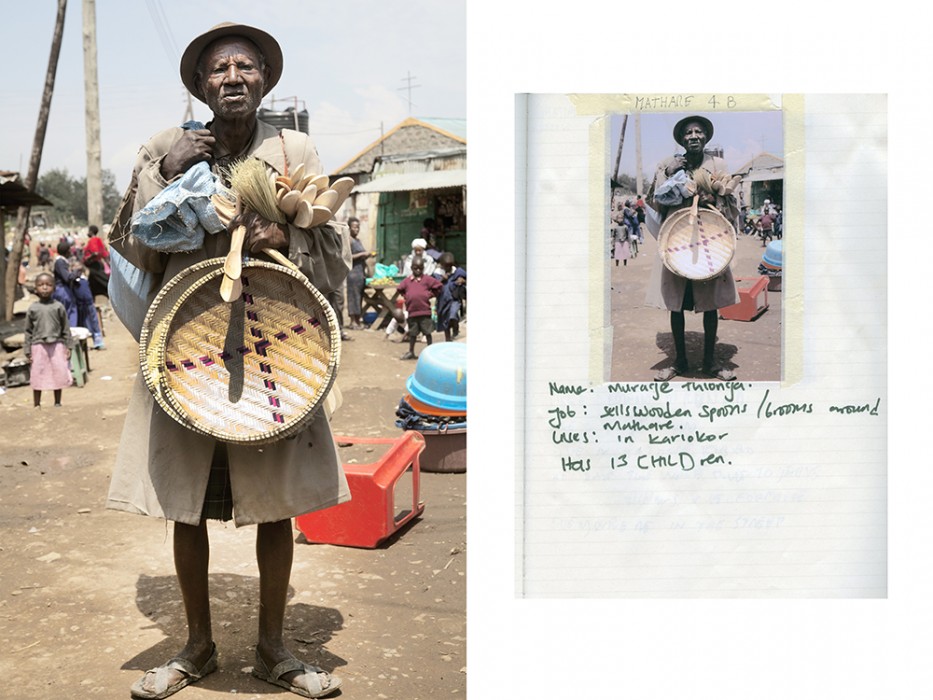
nomadic sellers
-
Prize
-
PhotographerFilippo Romano Born in 1968, is a documentary and architecture photographer. He studied photo documentary at the full time program at the International Center of photography (I.C.P.). in New York. His photograhic projects are mostly about cities and urban dwellers. He currently collaborate for the architecture section of the art pubblisher Skira, and his work have been featurated in Abitare magazine , Dwell mag, Domus, Io Donna and Courrier International. In 2007 he is the winner of the grant Pesaresi\Contrasto with the project OFF CHINA. He is the author of Soleri Town a book about the utopian architecture of Paolo Soleri in 2009 he was selected in the exhibition the Joy at the Rome photo festival with “Waterfront” a series from the project about rh city ofTrieste. In 2010 his project route 106 was exhibited in the Biennale of Architecture in Venice In 2011 he have been parto of the exhibition “Sao Paulo Calling” with the documentary Slum Insider on the Slum of Mathare in Nairobi in collaboration with the NGO LiveInSlums. In october 2012 a long therm architeture reportage on the Palladio’s architecture have been exhibited in new Palladio museum in Vicenza. He is currently a member of the Agency Luzphoto. , Italy
-
Studioluzphoto
Selling on the street, going from door to door, is one of the most common trades in the
African world, in both the rural areas and the slums of the big cities. The seller who
goes around with the goods on his back is, in that situation, characteristic of those who
are accustomed to fending for themselves and coming up with their own job.
It is the crude spin-off of a changing, evolving economic process. The slums are not only
places of extreme survival: a more careful look at them reveals that they are hubs of
self-generated, continuously expanding economies. The seller and his wares are an
“indicator” of the consumption, the needs and even
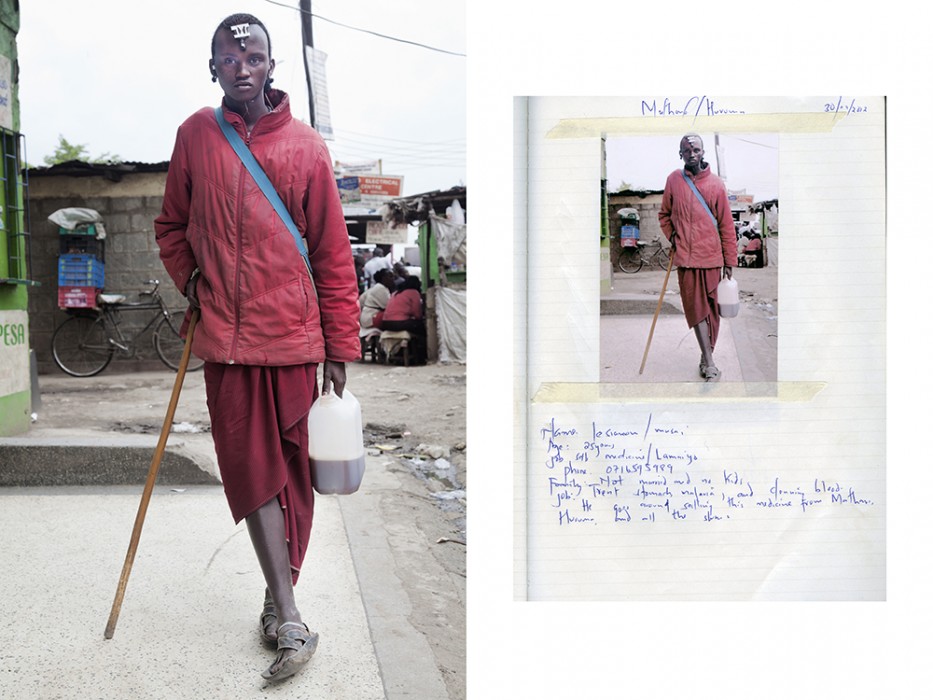
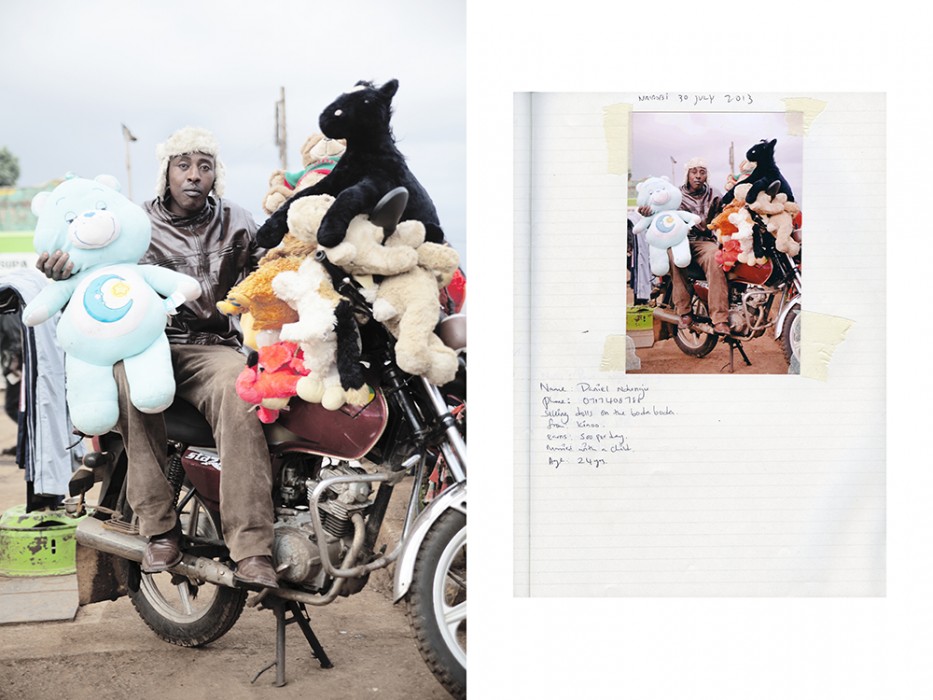
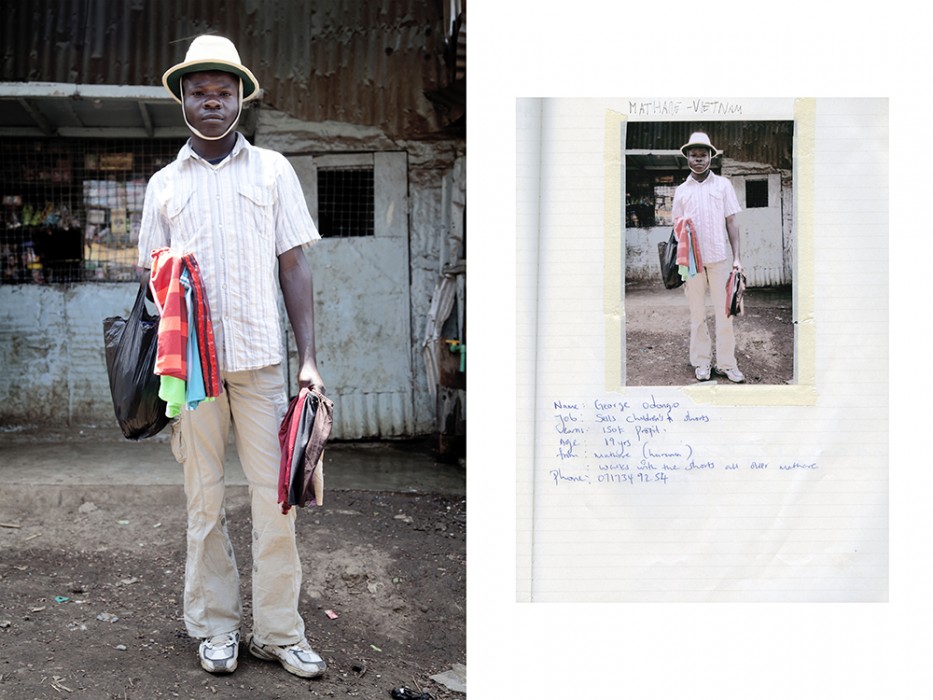
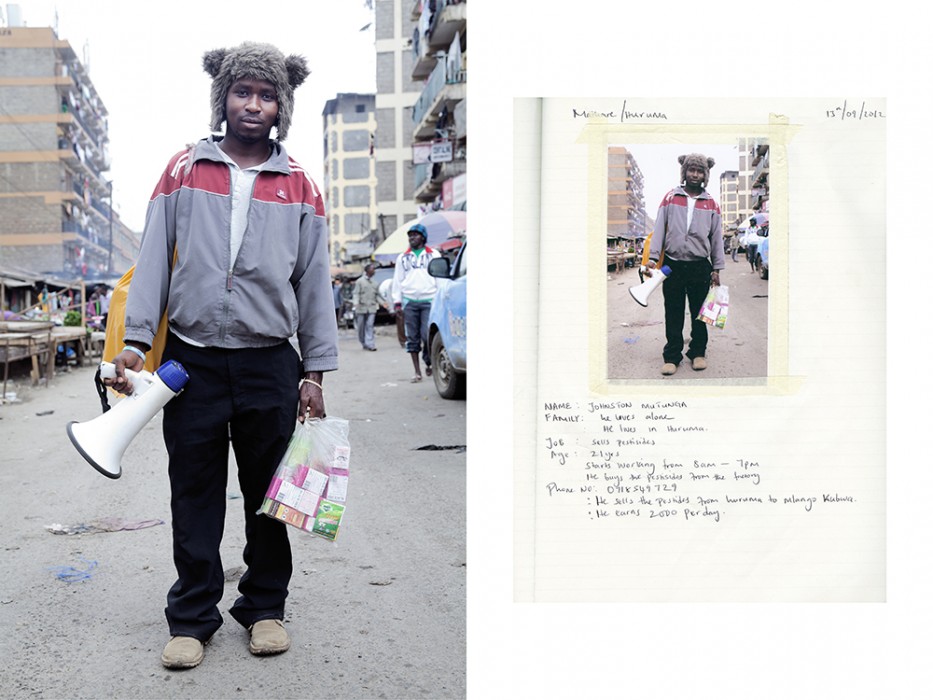
the whims of a community. The title of the series of portraits of the street vendors –
“Nomadic Sellers” – is stolen from how a seller described himself: “I sell nomadic.” From
their testimonies, we learn that those who sell pesticides earn more from a day’s work –
1,000/2,000 shellini (10, 20 euros). Those who mend broken plastic tubs, using burning
embers in a primitive hot-melding technique, earn only a tenth of that. The Masai sell
traditional medicines, often herbal brews transported in white bins, for 10/20 shellini
(0.20 euro) per glass. This is a small nation of artisans who display goods produced in
the slums, and sellers of goods (such as women’s shoes) made from donations by charity
foundations. 89 The handmade shoes are created from pieces of rubber tyre. In other cases,
you can find Chinese products, such as lace lampshades, being sold at knockdown prices.
But there are also many who sell SIM cards for mobile phones, given that the phone
industry in Africa is perhaps one of the biggest expanding markets, and someone has
understood the potential of a widespread sales network in a ghetto of more than half a
million people. Those who sell on the streets of Mathare, and across Africa in general,
testify to the strength of collective desires that are not always as primitive as might be
expected, instead revealing a consumerist need not unlike that in the rest of the world.
© Filippo Romano
Awards Filippo Romano
Born in 1968, is a documentary and architecture photographer. He studied photo documentary at the full time program at the International Center of photography (I.C.P.). in New York. His photograhic projects are mostly about cities and urban dwellers. He currently collaborate for the architecture section of the art pubblisher Skira, and his work have been featurated in Abitare magazine , Dwell mag, Domus, Io Donna and Courrier International. In 2007 he is the winner of the grant Pesaresi\Contrasto with the project OFF CHINA.
He is the author of Soleri Town a book about the utopian architecture of Paolo Soleri
in 2009 he was selected in the exhibition the Joy at the Rome photo festival with “Waterfront” a series from the project about rh city ofTrieste.
In 2010 his project route 106 was exhibited in the Biennale of Architecture in Venice
In 2011 he have been parto of the exhibition “Sao Paulo Calling” with the documentary Slum Insider on the Slum of Mathare in Nairobi in collaboration with the NGO LiveInSlums. In october 2012 a long therm architeture reportage on the Palladio’s architecture have been exhibited in new Palladio museum in Vicenza. He is currently a member of the Agency Luzphoto.