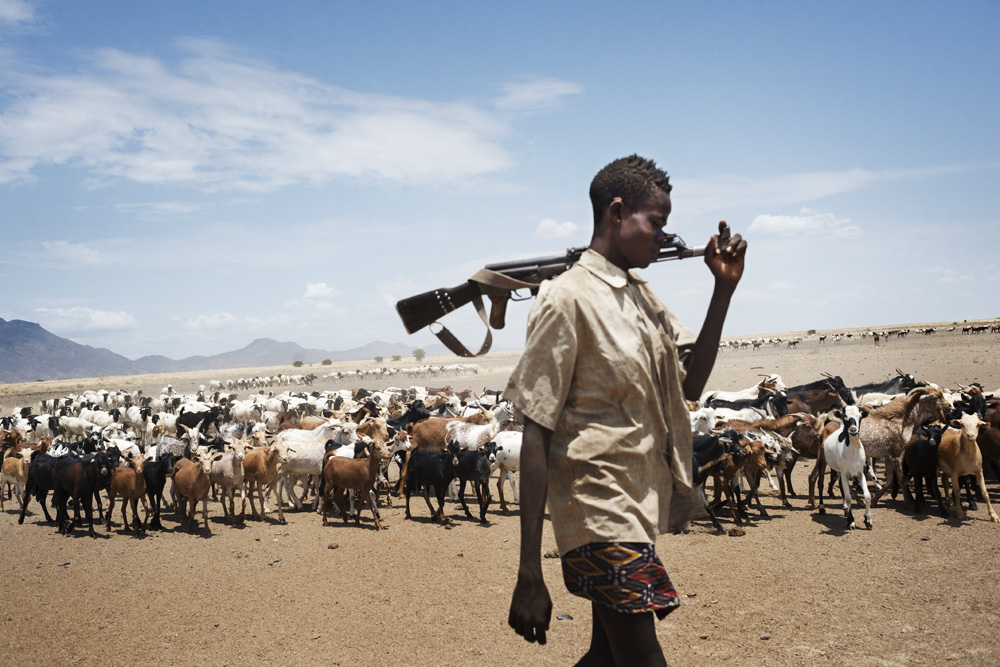
Environmental migrants: the last illusion. Nairobi, Kenya.
-
Prize
-
PhotographerAlessandro Grassani/LUZ, Italy
-
Website
Climate changes are causing alterations to landscapes, economic
emergencies and above all human suffering. By 2025 two thirds of
the world's population could live in conditions of water stress and
although everyone will have access to electronics, billions of
individuals will be left without water.
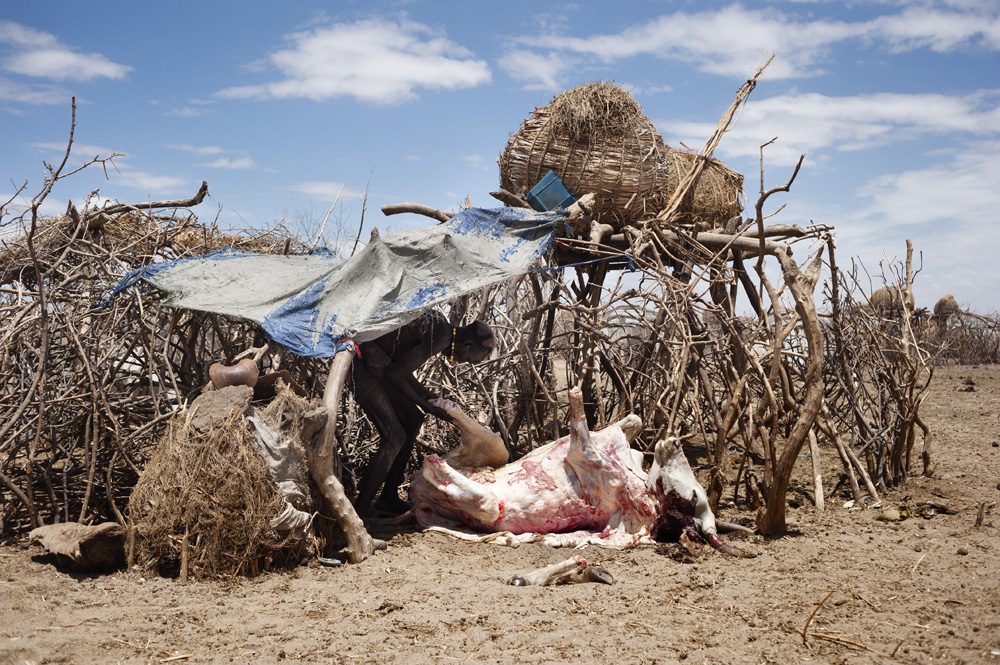
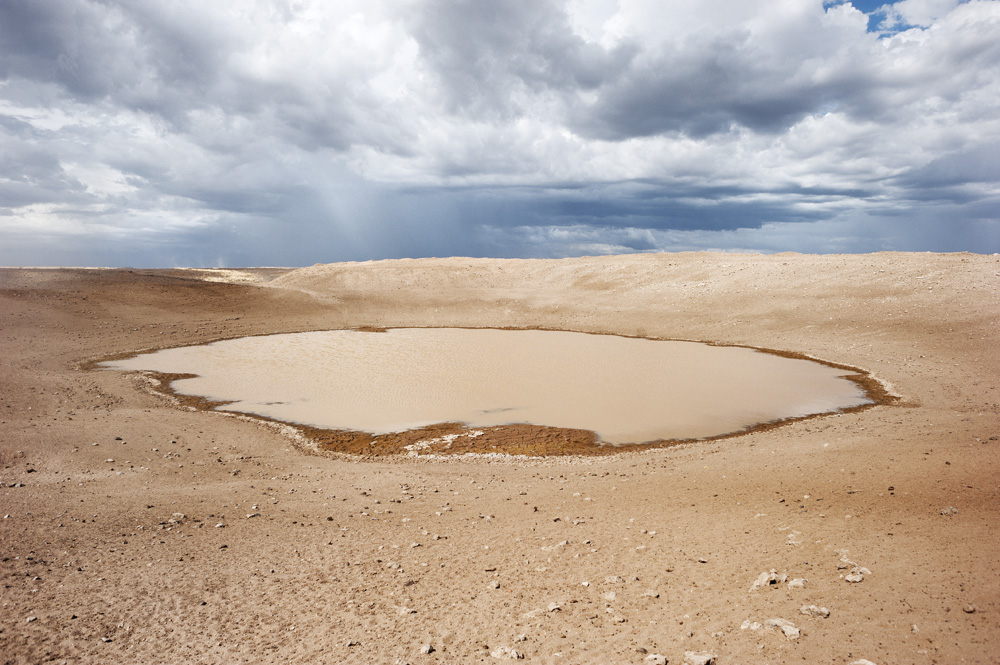
The Horn of Africa is one of the areas most affected by this
plague: desertification is advancing relentlessly to the border
between Kenya and Ethiopia bringing with it armed conflicts over
grazing land, as well as drought and famine. In the Turkana area,
in Kenya, I was able to show the high price the population is
paying for the ongoing variations in the rain cycle.
Among the tribes a man's wealth is measured by the number of
cattle he owns. The absence of rain has decimated the animals
and the farmers are constantly engaged in internal battles for the
control of water resources and grazing land, which are becoming
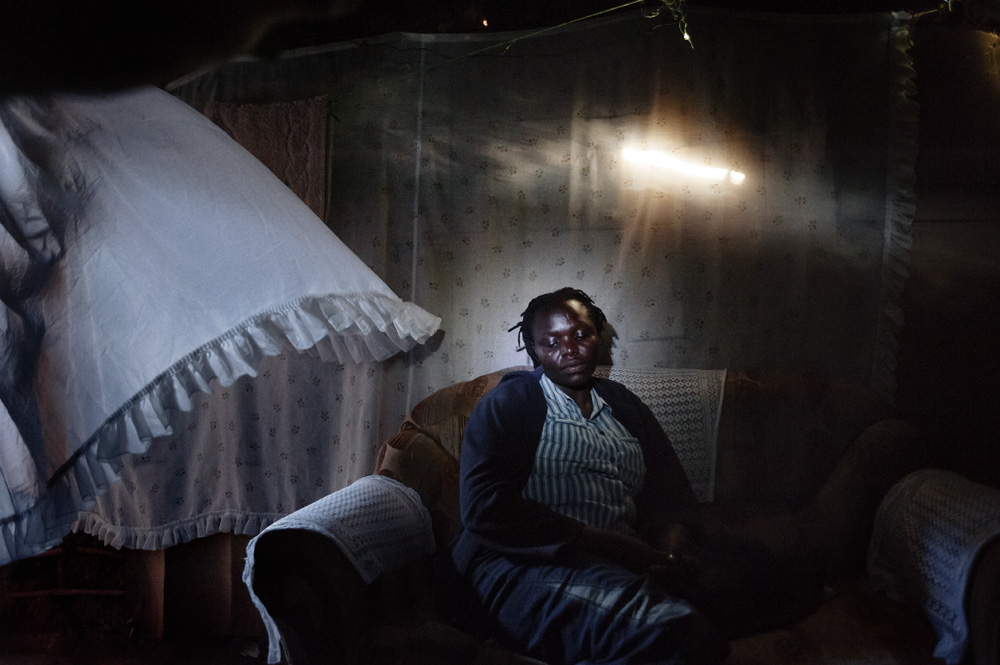
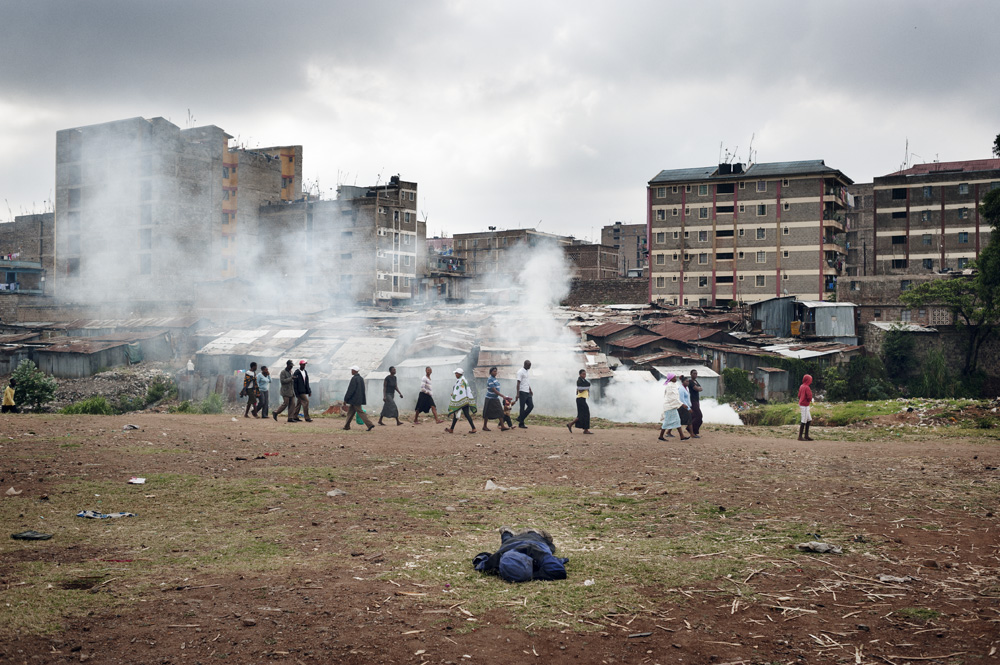
more and more limited. It is due to the fear of tribal conflicts and
the lack of prospects, that many Kenyans have been forced to look
for social-economic security in the capital, Nairobi. But their
hopes become dashed in the slums, those shanty towns where the
population doubles together with extreme poverty.
The story of the environmental migrants is about families torn
apart and broken lives; people who are losing their land and
traditions.
-
BiographyAlessandro Grassani (b. 1977, Italy). In 2011 he begins a new long-term project called -Environmental migrants, the last illusion- documenting around the world the life of the people forced to migrate because of climate changes and with no alternative to the illusion of a better life in the city. His works has been published among other by Sunday Times and Time magazine, exhibited at International Photographic Festival of Arles and awarded at Sony World Photography Awards, Luis Valtuena 15th International Humanitarian Photography Award, Days Japan International and International Photography Awards.
-
AwardsPremio Luchetta/Miran Hrovatin International Award, Winner, 2012 PX3 INTERNATIONAL AWARDS, Silver Medal, Feature Story, 2012 Amilcare Ponchielli Award, Honourable Mention, 2012 SONY WORLD PHOTOGRAPHY AWARDS, Third prize, Contemporary Issues, 2012 DAYS JAPAN 8th International Photojournalism Awards, 2nd prize, 2012 Luis Valtueña 15th International Humanitarian Photography Award, Winner, 2011 IPA, International Photography Awards, Third prize, People story, 2011 Terry O’Neill Award, Shortlisted, 2011 SOFA, Global World Photo Award, Honourable Mention, 2011 Memorial Mario Giacomelli, Honourable Mention, 2010 FNAC Contest, Honourable Mention, 2007