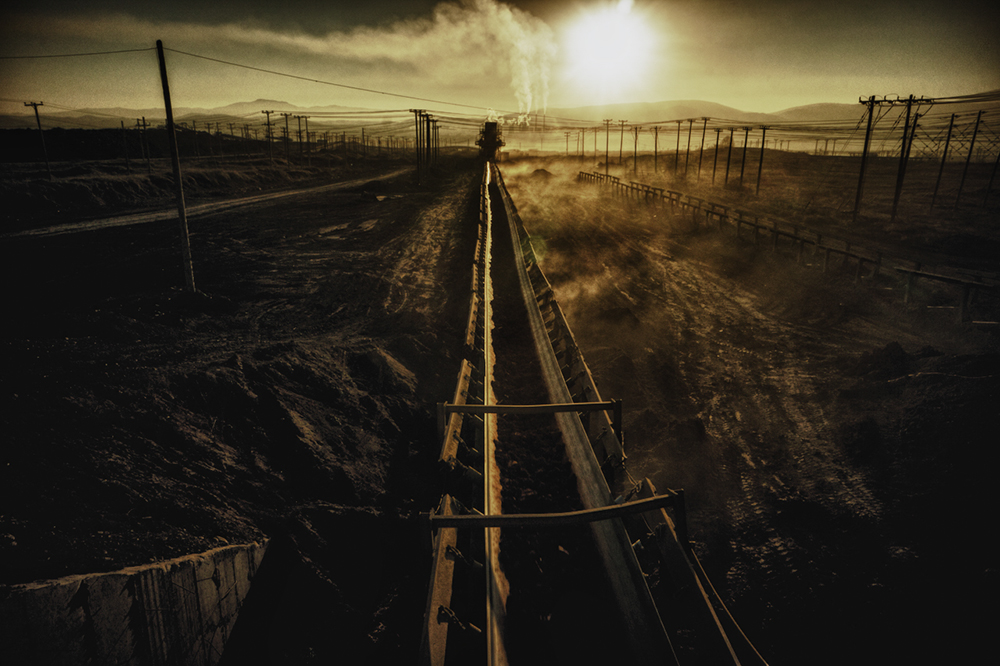
Dying For Electricity
-
Prize
-
PhotographerNikos Pilos/Laif, Greece
-
StudioNikos Pilos
-
Website
-
Instagram
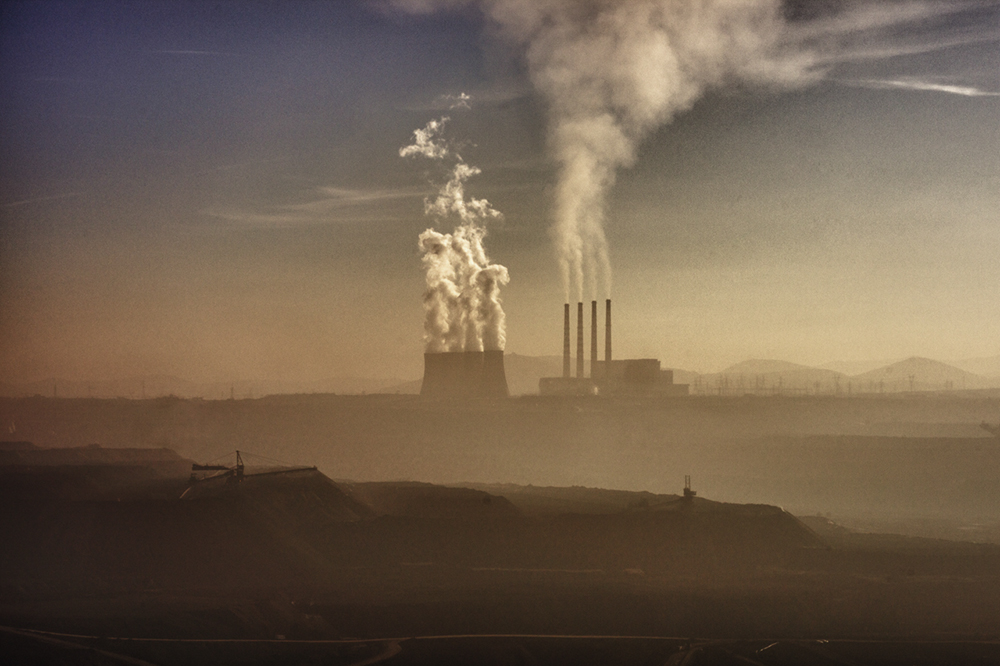
Greece has been dependent on brown coal for its electricity for more than 60 years. Where
there were once plowed fields and cattle grazing, vibrant villages with schools and
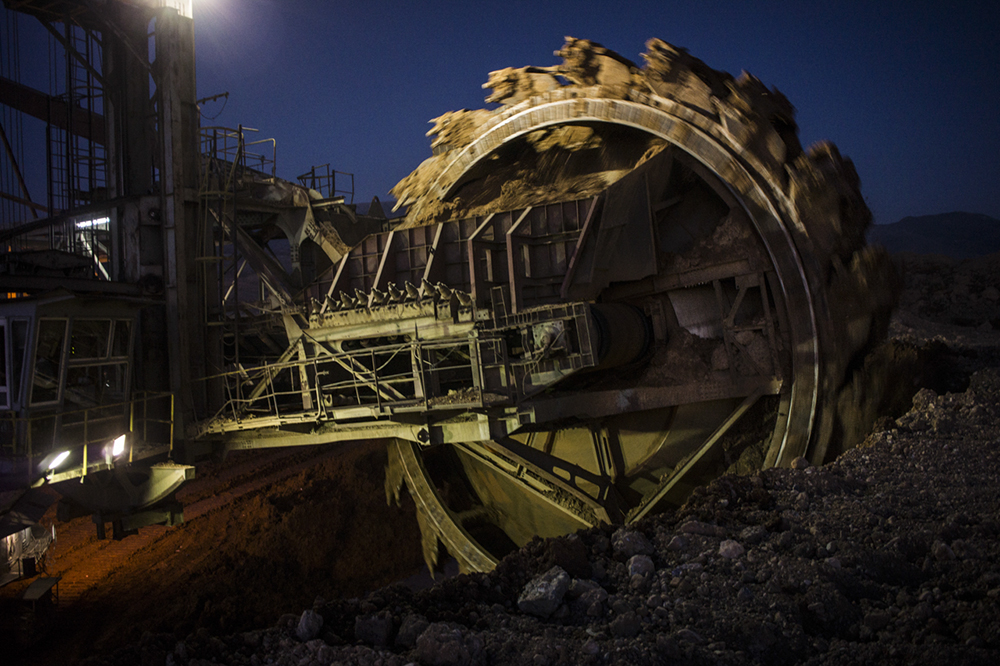
churches, there is now the biggest open-pit lignite mine in the Balkans. The land has been
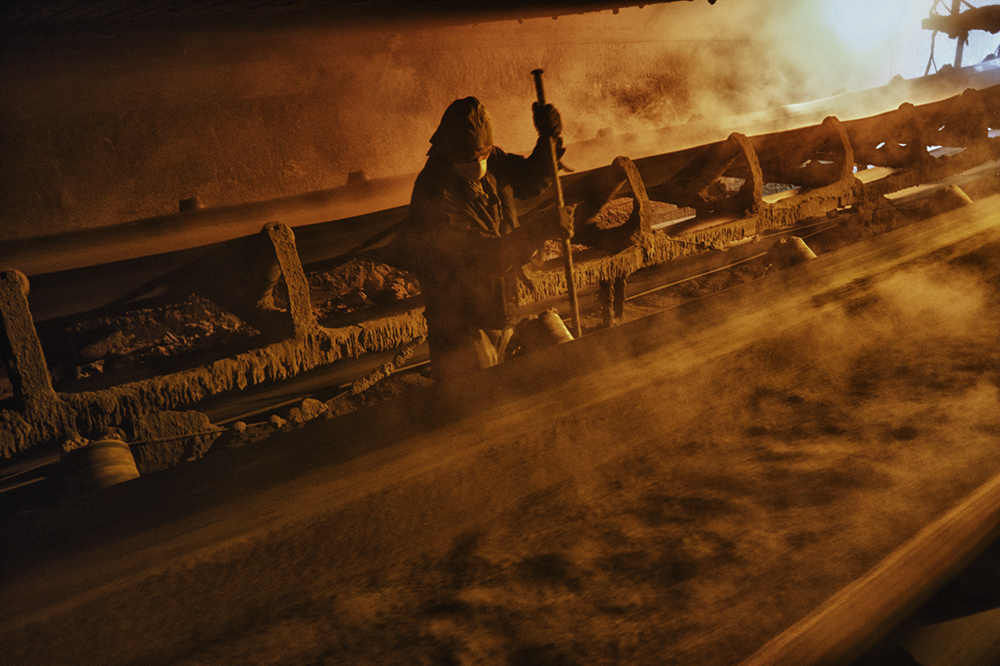
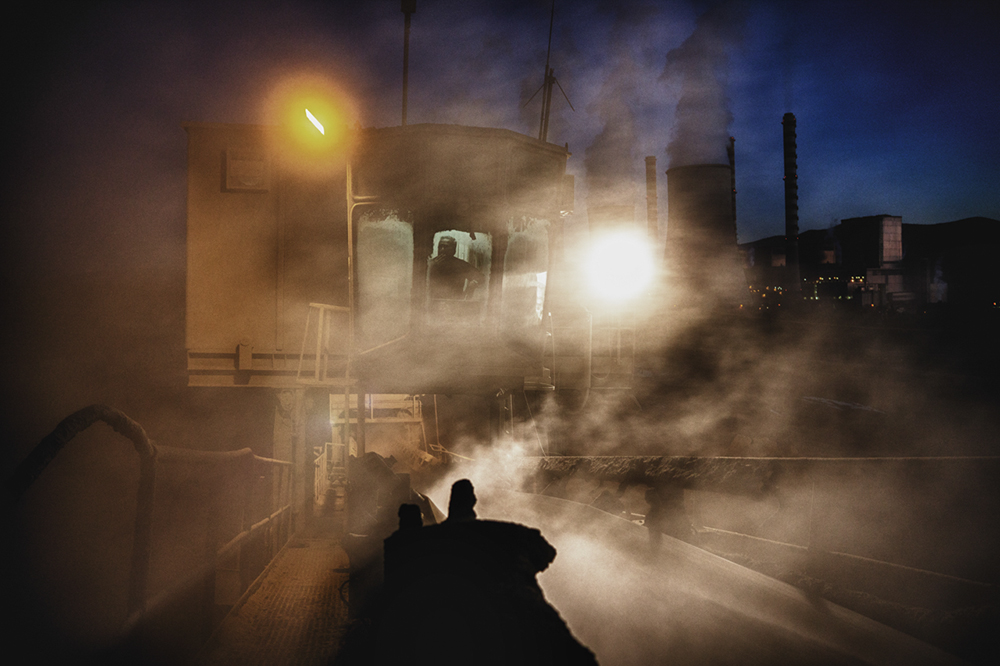
flattened and filled with more than a thousand trucks and a 225-kilometer conveyor belt
transferring brown coal 24/7, 365 days a year, to the nearby power plants, making the
region of western Macedonia in the northwest of Greece the "energy heart" of the country.
Today, western Macedonia has eight power plants that generate nearly 56 percent of the
country's electricity and four mines that cover 150,000 acres. In the past, Greece would
cover 90 percent of its electricity needs by lignite combustion but today, that amount has
fallen to 50 percent after the introduction of renewable energy, which now covers 20
percent of the country's electricity needs.
Greece started its industrialization much later than northern Europe and the United States
– in the 1950s – and supported it with lignite which was local, cheap and abundant.
Hundreds of textile and lubricant factories were created and the stream of Greek men
immigrating to Germany and other countries in Europe came to a halt. Electricity
consumption continually increased until 2008, when the financial crisis began. Still
today, many in Greece believe in order to emerge from the economic straits plaguing the
country, is cheap energy and energy autonomy while they remain hostile to renewables
saying green energy is too expensive.
People think that the PPC is just the counter where they pay their bill, but not everyone
is doing the same job though. Miners have the toughest job in the country and their life
expectancy is 10 years smaller than the average.
Nikos Pilos is an award-winning photojournalist and one of Europe’s noted feature photographers. He has traveled extensively to document war, natural disasters, poverty, socioeconomic struggle and cultural shifts. His work regularly appears in leading international newspapers and magazines and has been exhibited throughout Europe and U.S.Since his first assignment in Lebanon in 1988, he has covered almost all the major historical events at Balkans, Middle East, Maghreb and Eastern Europe. The last two years he is dedicated into the realization of the cross media interactive platform THE REFUGE
Awards LATEST AWARDS
POYi. 2020 Award of Excellence in category, Documentary News Reporting, with the short doc The Refuge.
Global Migration Film Festival 2019, 3rd place at the category Shor film ,with documentary“Dying For Europe
PriMed 2018 International Festival of Mediterranean Documentary and Reportage France.
Public Award with the documentary Dying for Europe.
World Press photo 2017. Category: short film, second place with the documentary Trapped.
POYi ,2016 Category: Exodus, second place with the story The Road Of Tears.
POYi, 2016 Category: Multimedia News Story, third palce with the story, Dying to enter Europe.
Px3 Paris Photography 2015, Bronze metal for the story “Alevi, The Unknown People”.
Fotovisura Grand 2014, Finalist for the story “Seven Years of Recession”.
Px3 Paris Photography 2014, Gold medal for the story “Dying for Electricity” and Silver medal for the story “Turkey Reacts”.
NPPA 2014, Honorable mention for the story “Turkey Reacts”.
POYi 2014, Finalist in the World Understanding category for the story “Greece, Seven Years of Recession”.
Lucie Awards, 2013, Finalist for the story “Greece, Seven Years of Recession”.
PX3-Prix De la Photographie 2013, Gold medal in the Portraits category for a photograph of a member of the Golden Dawn.
CHIPP - China International Press Photo Contest 2012, Award in the Economy Science & Technology category for the story “The coal mines”.