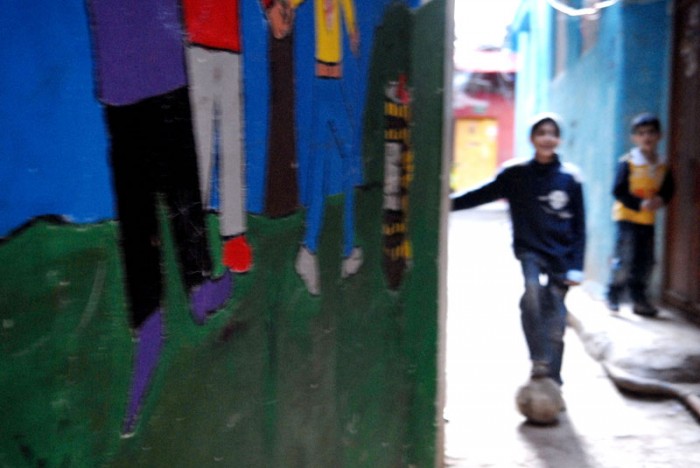
Remember Shatila
-
Prize
-
Photographerzann huizhen huang, Singapore
-
Date of Photographonline
-
Website
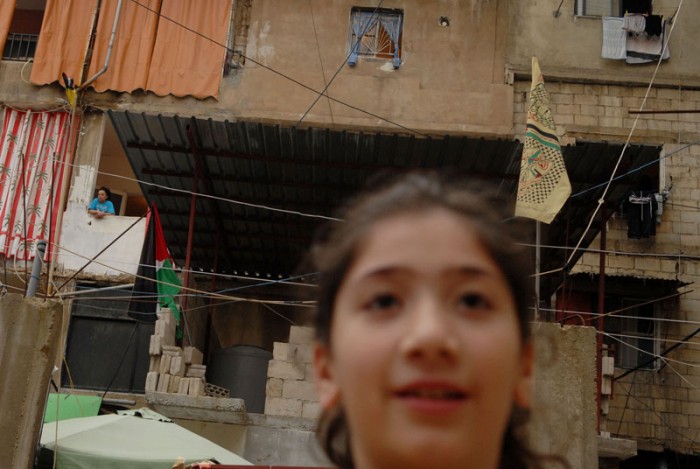
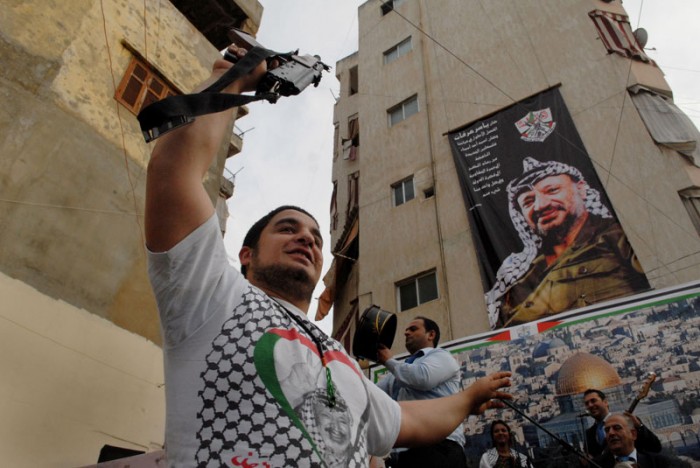
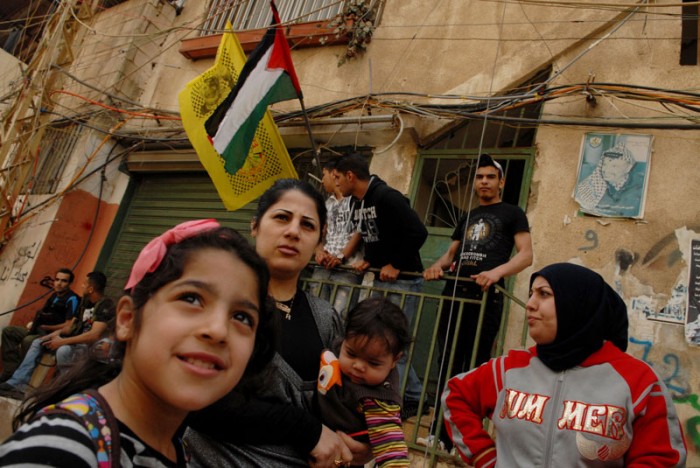
In Lebanon, a small but densely populated country, there are 12 official camps with about 230,000 refugees. Compared with their counterparts in neighboring Syria and Jordan, Palestinians in Lebanon has the highest percentage of refugees who are living in abject poverty and who are registered with UNRWAâ??s "special hardship" program.
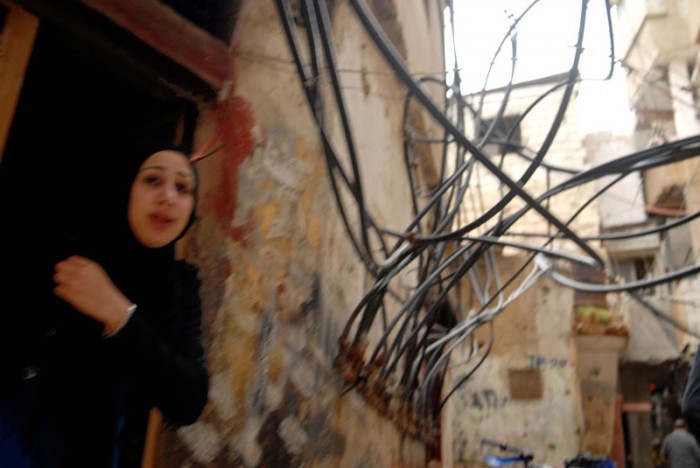
Palestinian refugees face problems which include congested living due to high population density, shortage of safe water supply in quantity and quality, lack of proper infrastructure services and mismanagement of solid waste.
Moreover, they have limited social and civil rights. Most rely entirely on the UNRWA as the sole provider of education, health, relief and social services. They are prohibited by law from working in 72 trades and professions. This has led to a high rate of unemployment among the refugee population, especially the youth where unemployment is estimated to be as high as 40%.
Facing a bleak future with few opportunities to get out of the vicious cycle of poverty and undesirable living conditions, frustration and hopelessness set in to provide a fertile ground for the breeding of radicalism and violence. One recent example is the armed battle between the Lebanese army and Fatah al-Islam inside the Nahr El-Bared refugee camp, north of Tripoli which lasted three months, resulting in the killing of over 40 Palestinian civilians, 167 Lebanese soldiers and over 200 Fatah al-Islam militants, and the destruction of almost all of the campâ??s premises and the flight of around 33,000 refugees to other camps.
With my photo-documentary project, I hope to shed light on the life, living conditions and human rights abuses of these camps and highlight the sense of urgency that is required to improve the situation.
-
BiographyA largely self taught photographer, Zann began her first serious foray into photojournalism after the tsunami in January 2005. In less than a year of building her portfolio while travelling, she joined World Picture News in December 2005 and Gaia in 2008. Her works have been published in TIME magazine, â??Chocâ??, IKONO, Le Monde, Lâ??expresso, Geo Italia, AOL, UNFPA, Asian Geographic and various magazines and newspapers in the UK, USA, Czech Republic, Singapore and Malaysia. She has also taken part in the group exhibition â??Eye of the Cityâ?? (2002-2004) and Noorderlicht 2006: Another Asia in the Netherlands for her work on â??CAMBODIAN GLUE KIDSâ??. As one of the official photographers for the Singapore Season, her works were exhibited in Shanghai and Beijing in Oct 2007. In 2009, her work on â??Qashqai Nomads of Iranâ?? was exhibited at Gallery 2902. As an emerging photographer, Zann has also received Honourable Mentions for the UNICEF photographer of the Year 2006, the International Photography Award (1 for 2006 and 9 for IPA 2009) and the PX3 Prix De La Photographie Paris 2007 for her works on Iran and Cambodia. Zann also clinched the Humanity Photo Awards UNESCO 2006. She is also one of the top 5 finalists for the Care International Humanitaire Award 2007 and her work was exhibited in Visa Pour Lâ??image 2007,Perpignan. In the 2009 New York Photo Festival, Zannâ??s work on Iran and Cambodia were shown. Zann contributes to the United Nations on humanitarian and environmental issues. In 2007, she became the field editor/photographer for ASIAN GEOGRAPHIC http://www.asiangeo.com covering the Middle East and Asia.