Visions of Utopia
-
Prize
-
PhotographerLisa Scharoun and France Tatarovic, Australia
-
StudioDeakin University
-
Website
Since 1949, propaganda posters have been produced in China as a visual language to unite the masses. Posters and billboards portraying images of youth in minority costumes, traditional paper cuts and China?s abundant workforce engaged in modernisation were meant to unite the masses through ?revolutionary realism with revolutionary romanticism.? These images offer interesting insight into Mao?s version ?socialist utopia.?
With the opening of China to foreign investment and trade in 1979, the vision of a ?socialist utopia? has changed once again. Propaganda posters are replaced with large-scale billboards featuring luxury cars, clothing and products from the West.
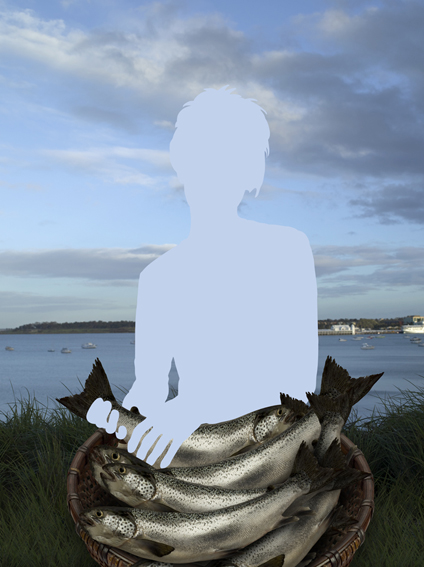
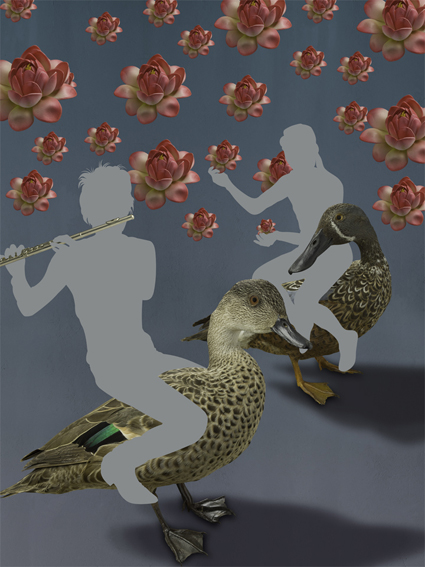
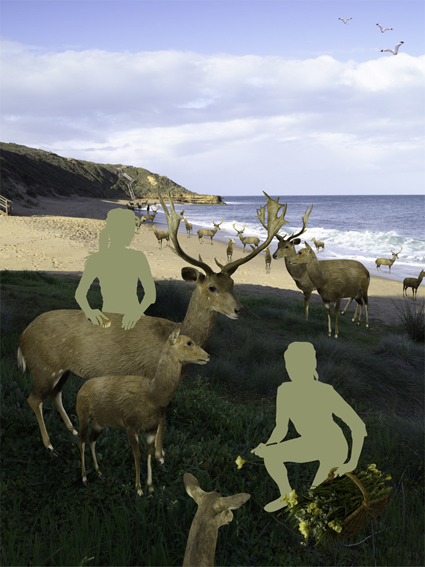
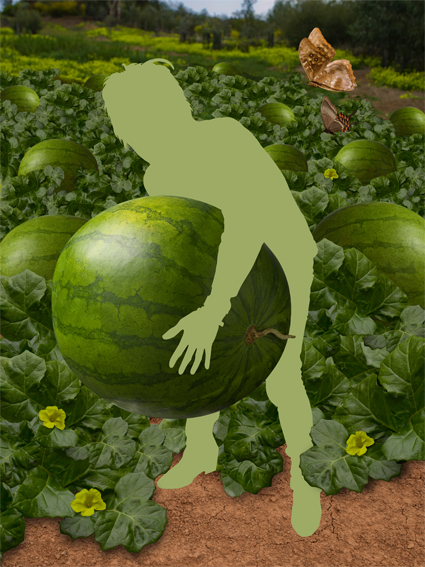
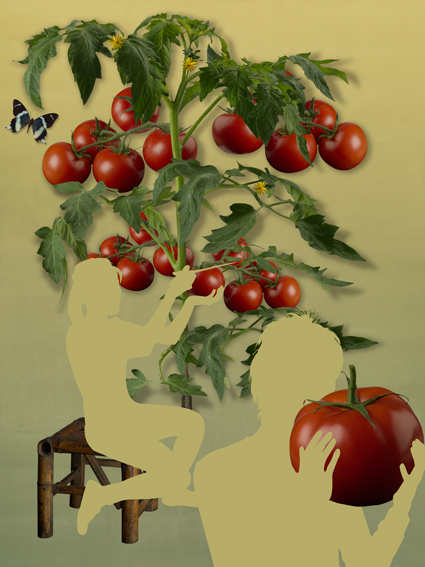
In order to conceptualize this change in visual culture, we have created a series of images that utilize similar themes of Maoist era propaganda posters and questions the view of utopia in both eastern and western cultures. The images reference techniques and the visual language of contemporary commercial photography. Within the artworks, the past and present visual culture of China is juxtaposed to create a dialogue between the icons of the Maoist vision and the contemporary visions of utopia.
Reviews of the work:
Scharoun and Tatarovic have selected certain iconic poster titles from 1958 to 1983 and reworked the associated imagery to produce new images displaying a high degree of irony in their juxtaposition of signifying elements. This appropriation of the mass-produced, industrial kitsch of propaganda imagery serves to provoke questions about the utopian dreams of ?Marxist-Leninist-Mao Zedong thought?, the Western cockroach capitalism of the early 21st century and the strange amalgamation of both found within contemporary P. R. China.
In this series of images, Scharoun and Tatarovic?s revolutionary/utopian youths, a boy and a girl, have been replaced by empty ciphers. As such they have become free-floating signifiers, able to stand-in for smiling young revolutionaries, future utopian workers or the faceless citizens required for capitalist consumption. Cut out from the various scenarios of abundance, perhaps they have already been excised from Utopia?
Excerpt from ?New Worlds for Old, Visions of Utopia?
Associate Professor Leon Marvell (Deakin University)
-
BiographyLisa Scharoun is an artist and lecturer in graphic design at Deakin University in Melbourne, Australia. Lisa completed a Bachelor of Arts in graphic design at Florida Southern College in Lakeland Florida, USA in 2000 and subsequently worked in the advertising industry in the United States before commencing a Masters in design studies at The University of the Arts London, Central St. Martin?s College in 2001. On finishing her studies, Lisa continued working in the advertising and design industry in London from 2002-2003, specializing in branding and visual identity. In 2003 she accepted a position lecturing in the visual communications department at Raffles Design Institute in Shanghai. Lisa has exhibited her photography, painting, and digital art works extensively in the UK, USA, and China. She has just recently completed a PhD entitled ?Western Fashion Advertising in Mainland Urban China and its effects on the Self Image of Youth? at Queensland College of Art, Griffith University, Australia in March 2008. Frances Tatarovic is a photo based artist and commercial photographer who has been teaching for over nine years. Currently she is a lecturer in photography at Deakin University, Australia and has also taught at the Australian Center for Photography in Sydney, Australia for nine years. She holds a Masters of Fine Art from University of New South Wales, Sydney and has exhibited her artwork extensively. Frances notes that, ?photography, like memory, places images firmly in my imagination. My previous work centres around landscapes; landscapes that evoke personal recognition. Onto these landscapes I project my histories and obsessions.? According to Simon Schama, Landscape And Memory??landscape being a text in which we write our reoccurring obsessions...looking at what we have and what we have lost.? In this current series she is working collaboratively for the first time with Lisa Scharoun on a project that looks at the collision of art, culture and advertising.