/ 2026 / Fine Art / Abstract

Diagnosis
-
PrizeHonorable Mention
-
PhotographerDoyun Kim, Korea, Republic of
-
Date of Photograph2024~2026
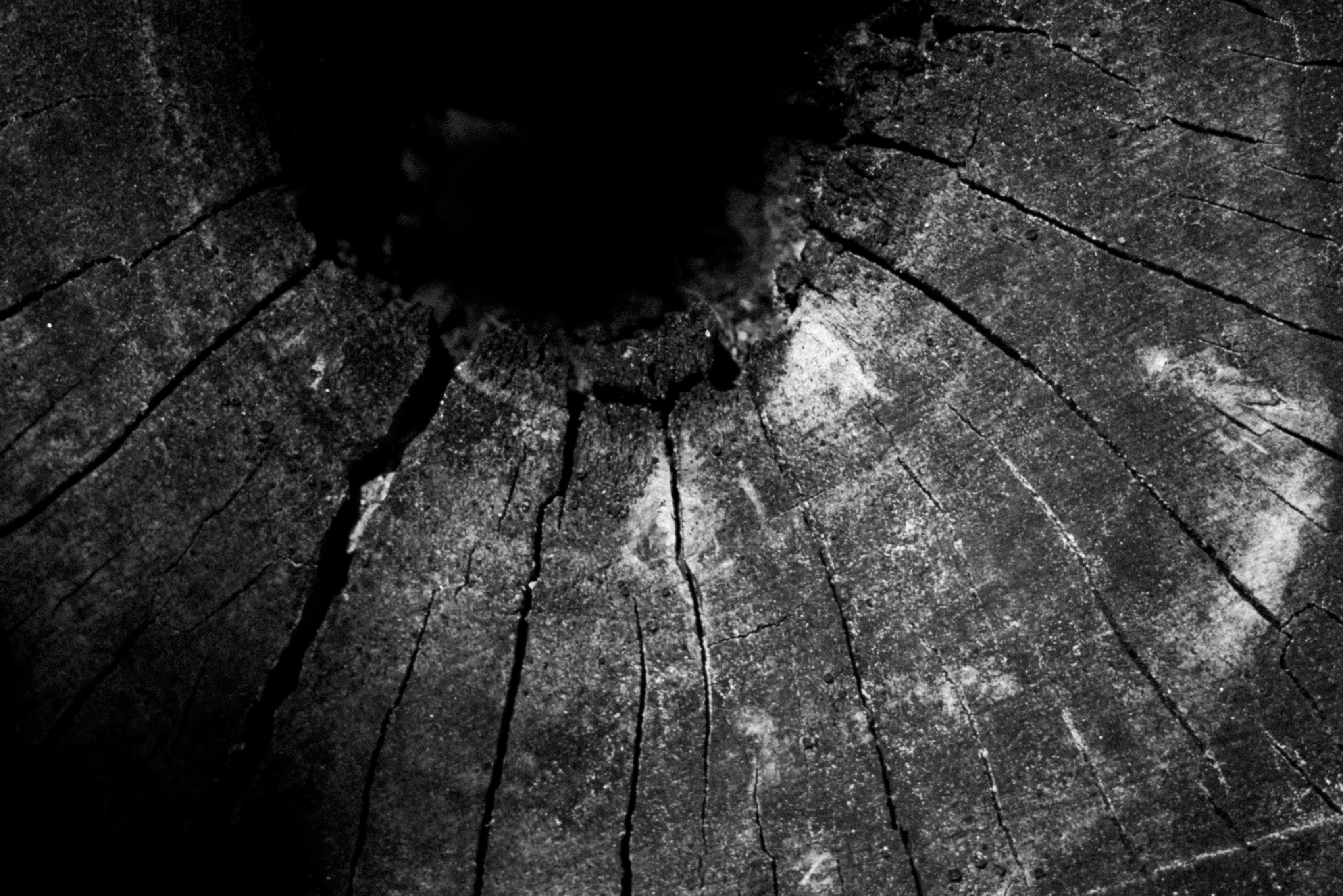
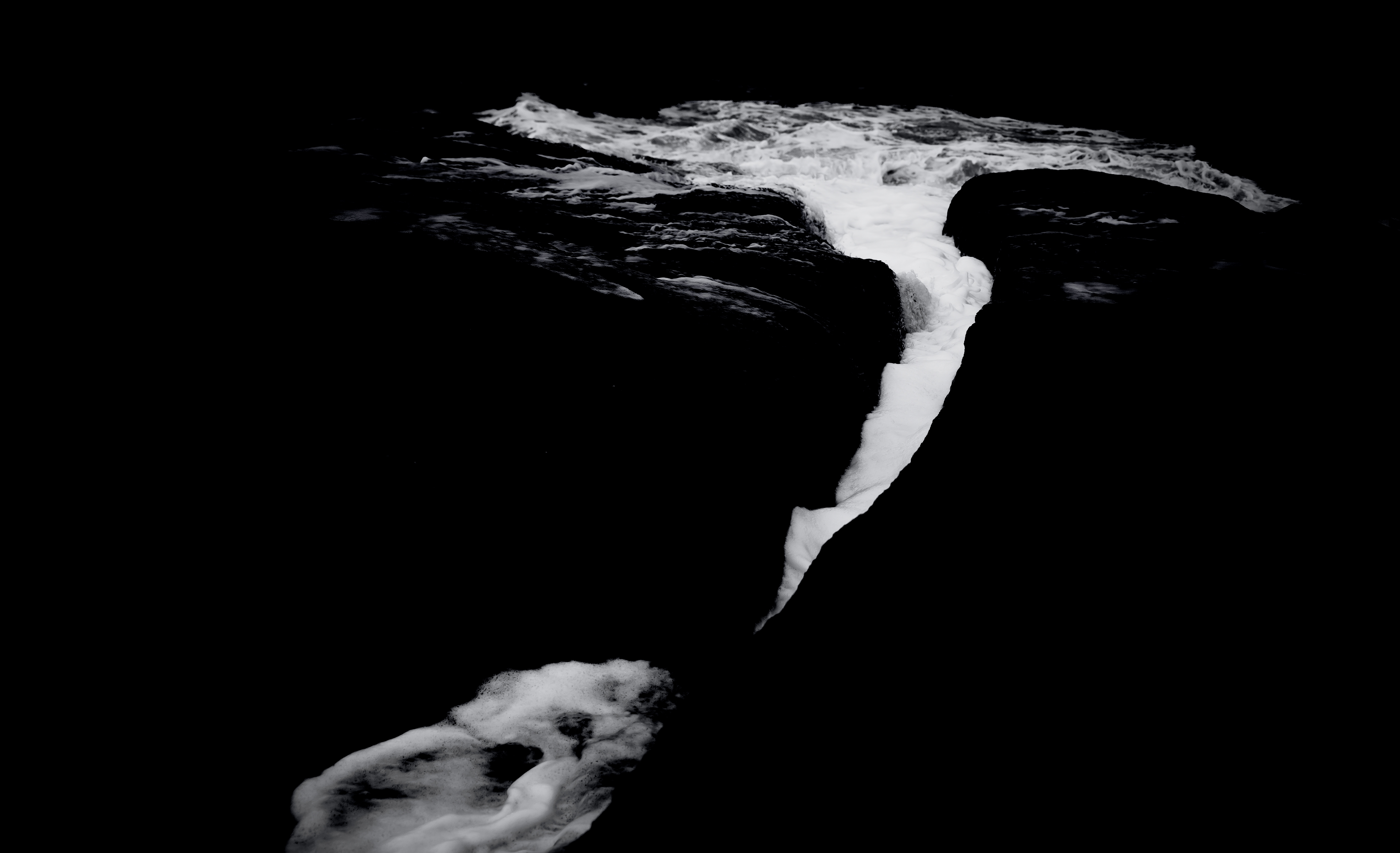
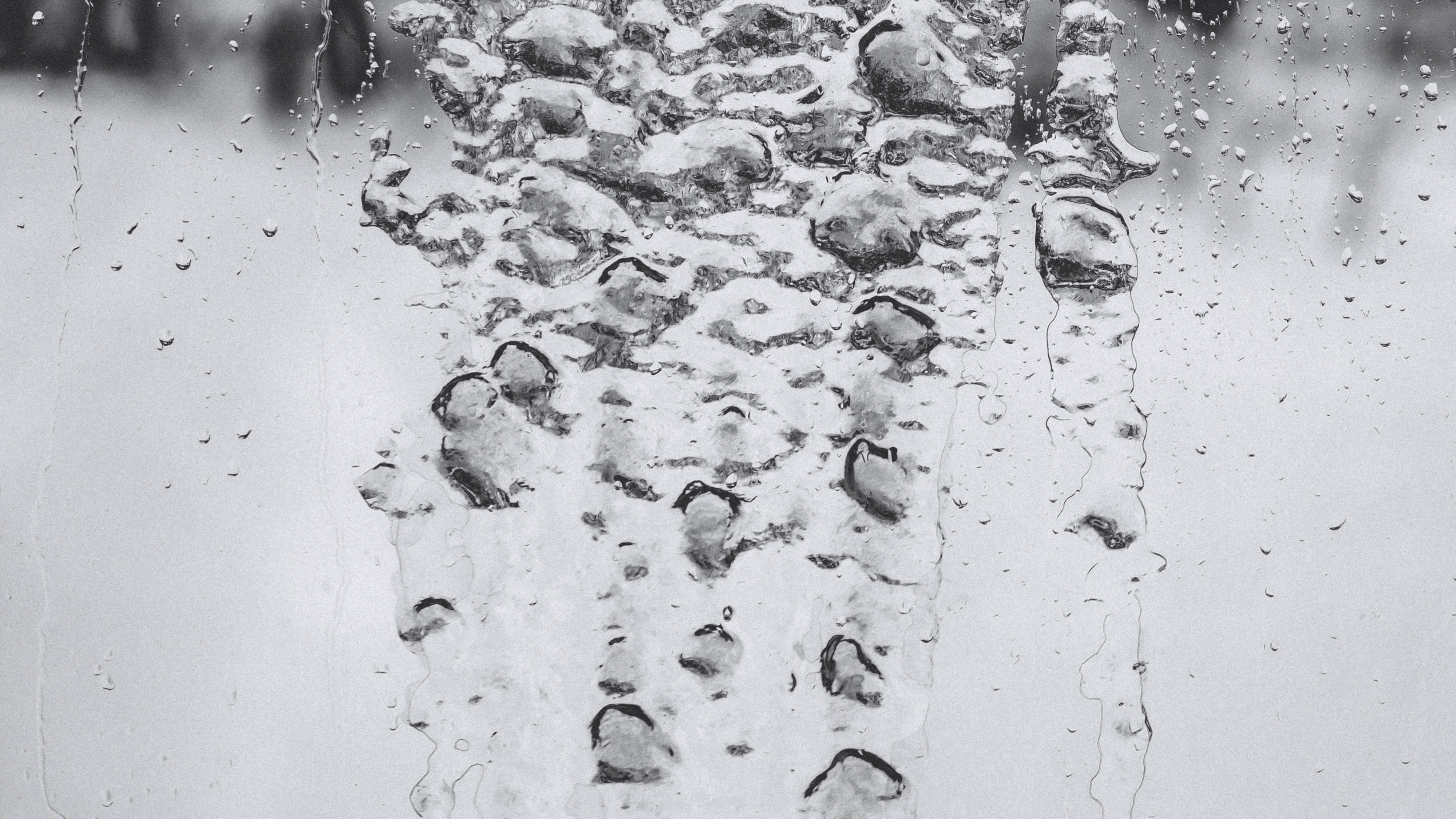
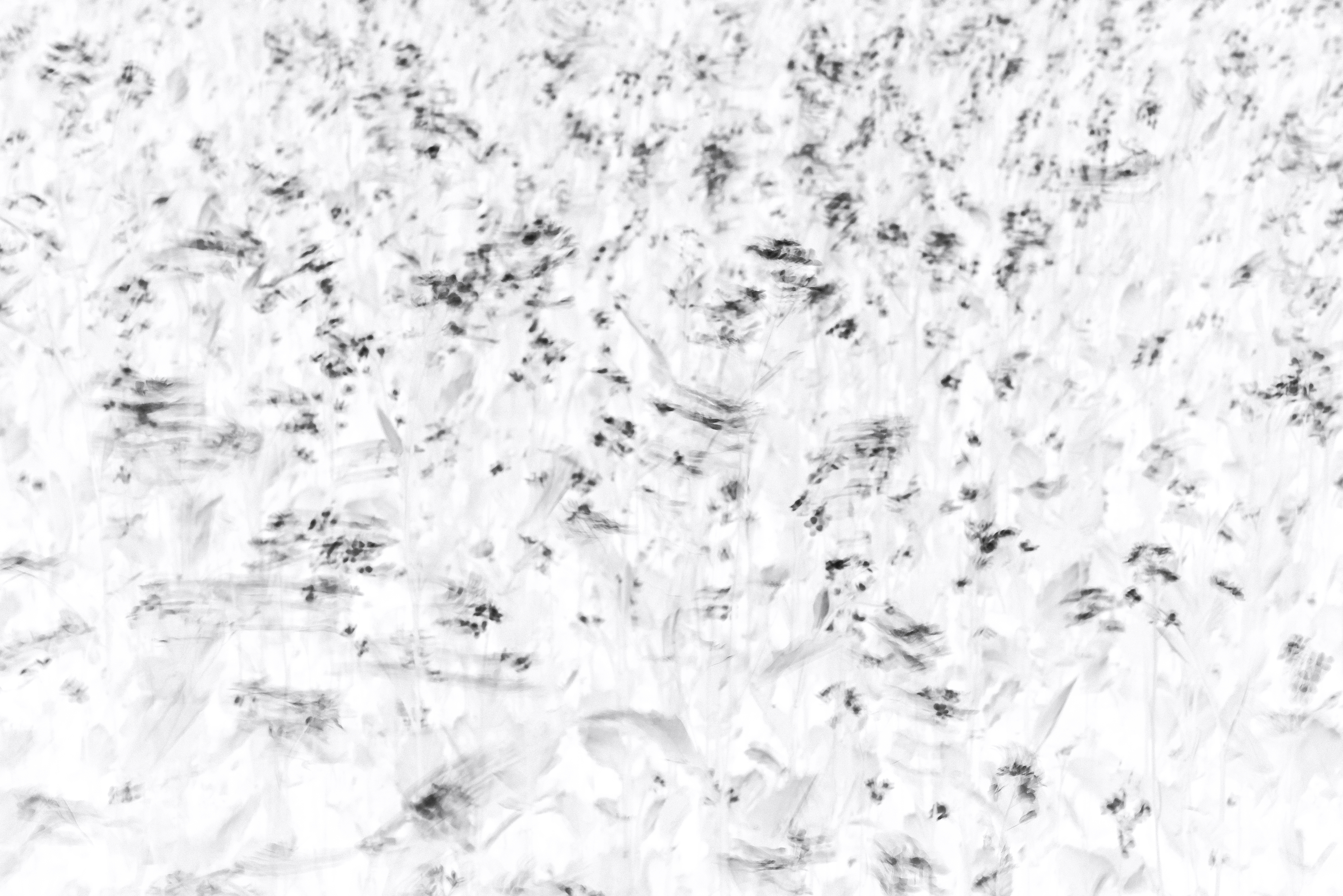
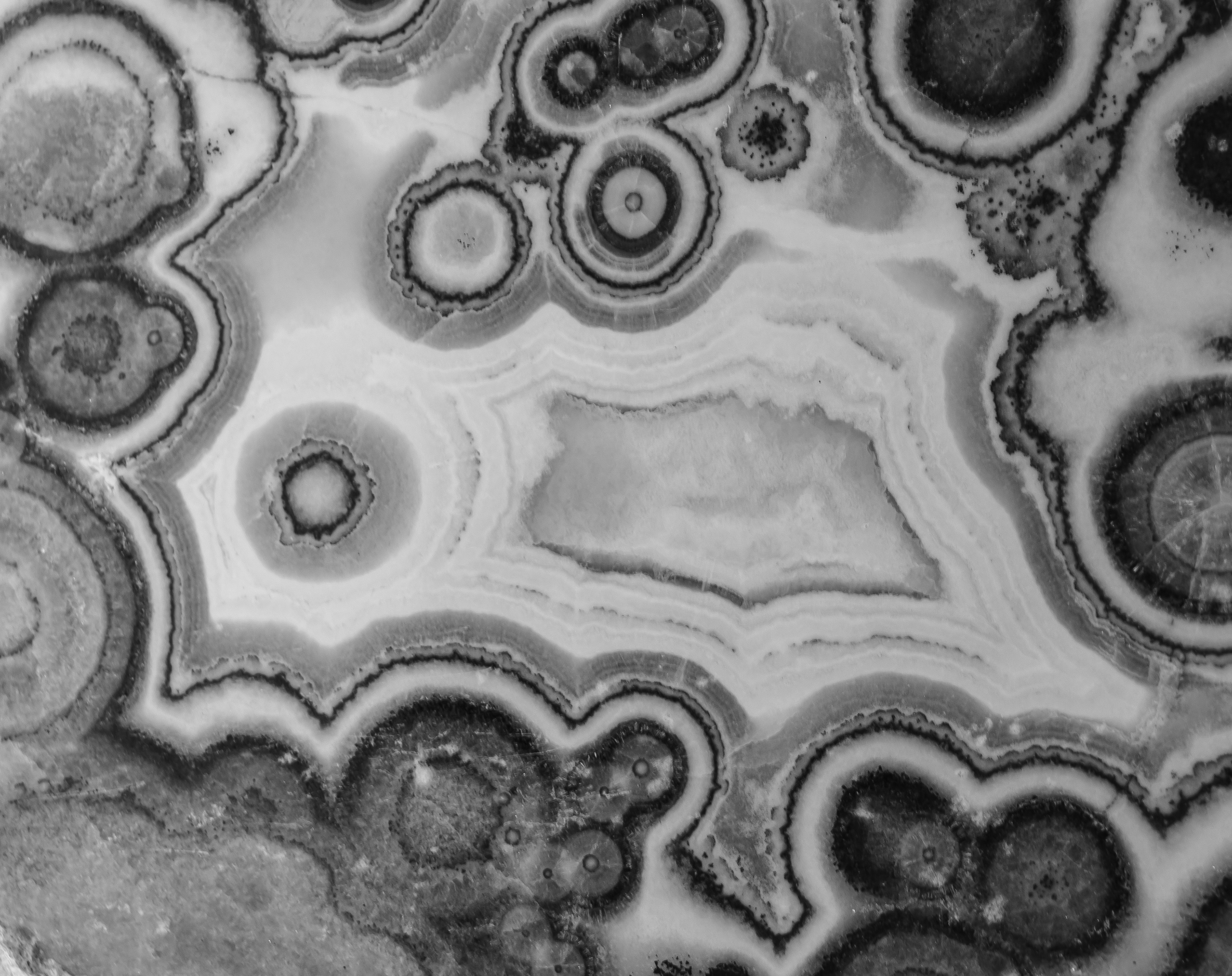
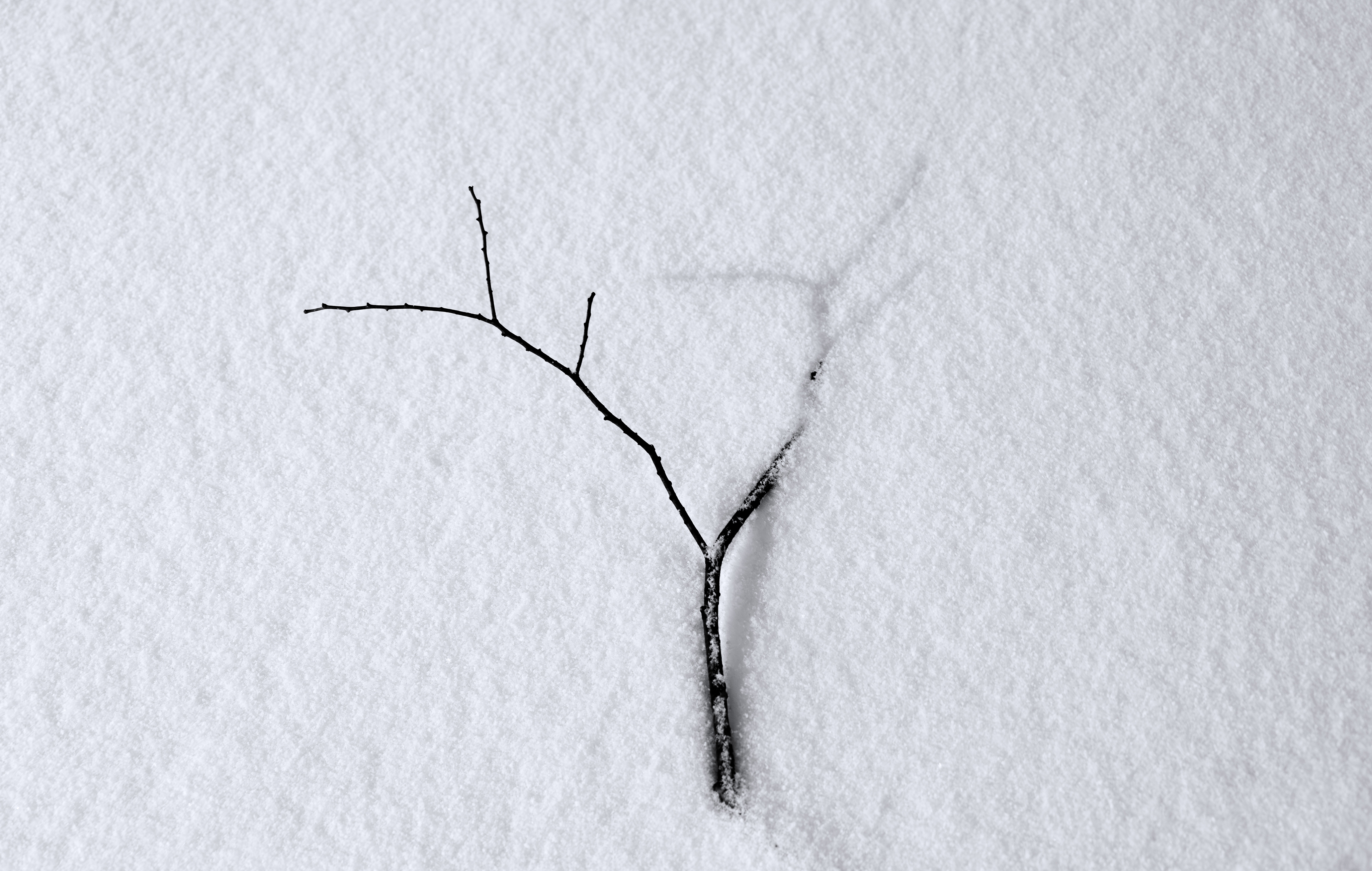
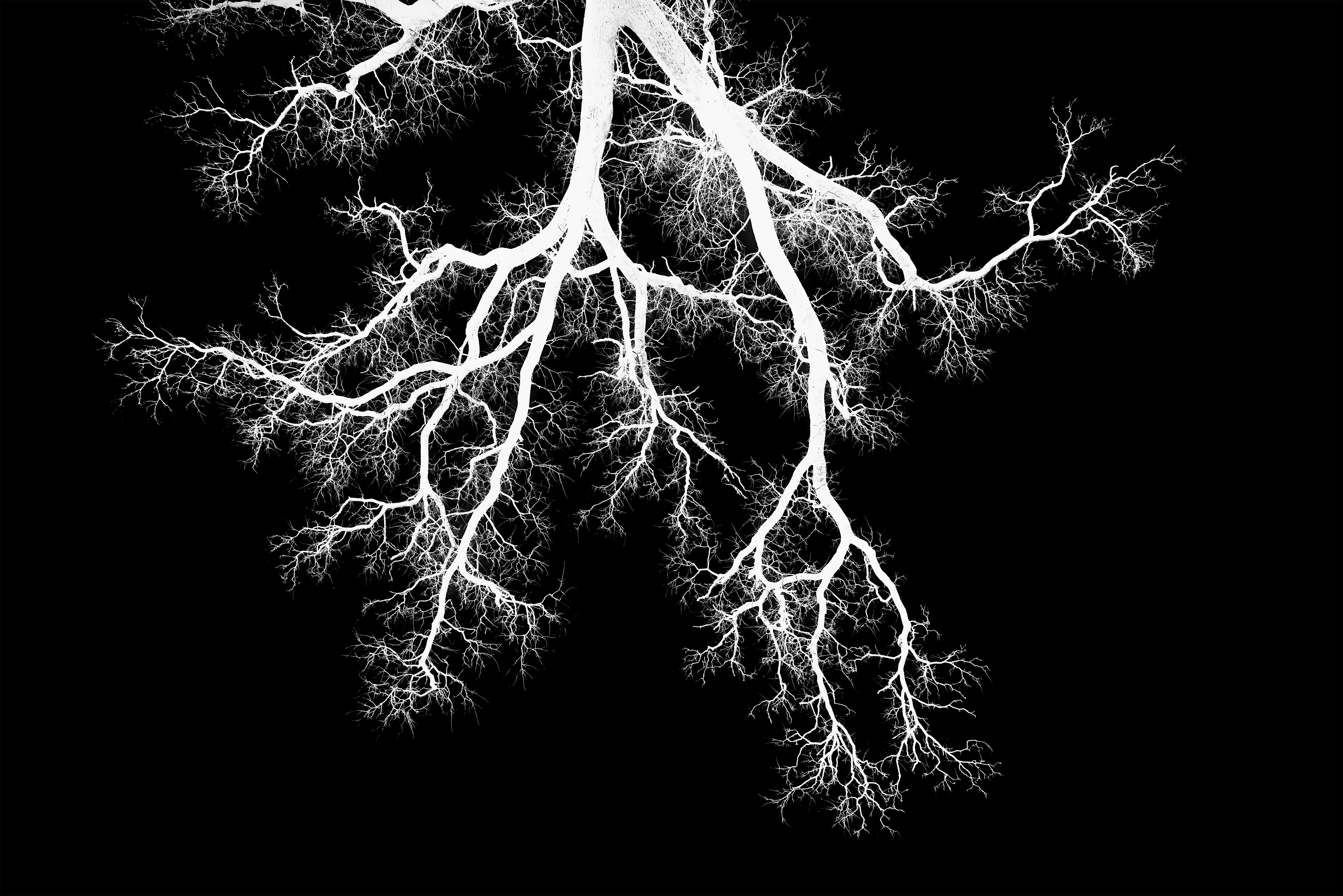
Photography and diagnostic imaging share one logic: both construct images of what cannot be seen, through exposure, accumulation, and extraction of signals, translating it into something legible. The camera does not observe but constitutes the world as readable. Diagnosis applies this to ecological phenomena: a wave as repetitive stress, the tremor of a long exposure as physiological activity. These resist reduction to a single state; what accumulates stays unresolved, uncorrected. It does not go silent. It reads even in absence. How far does this hold before nature, and where does it fail?