/ 2025 / Portraiture / Culture

Muxe- Mexicos third gender
-
PrizeHonorable Mention
-
PhotographerShazia Khan, Denmark
-
Date of Photograph2023-2025
-
Studioshaz production
-
Socials
-
Website
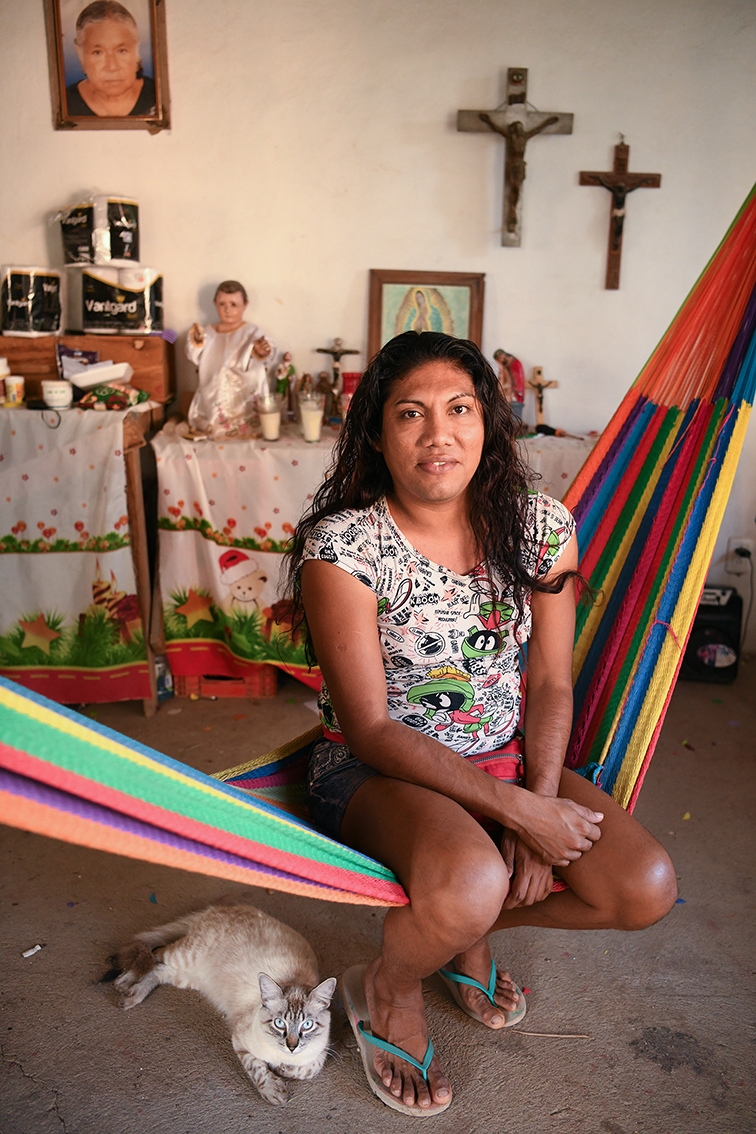
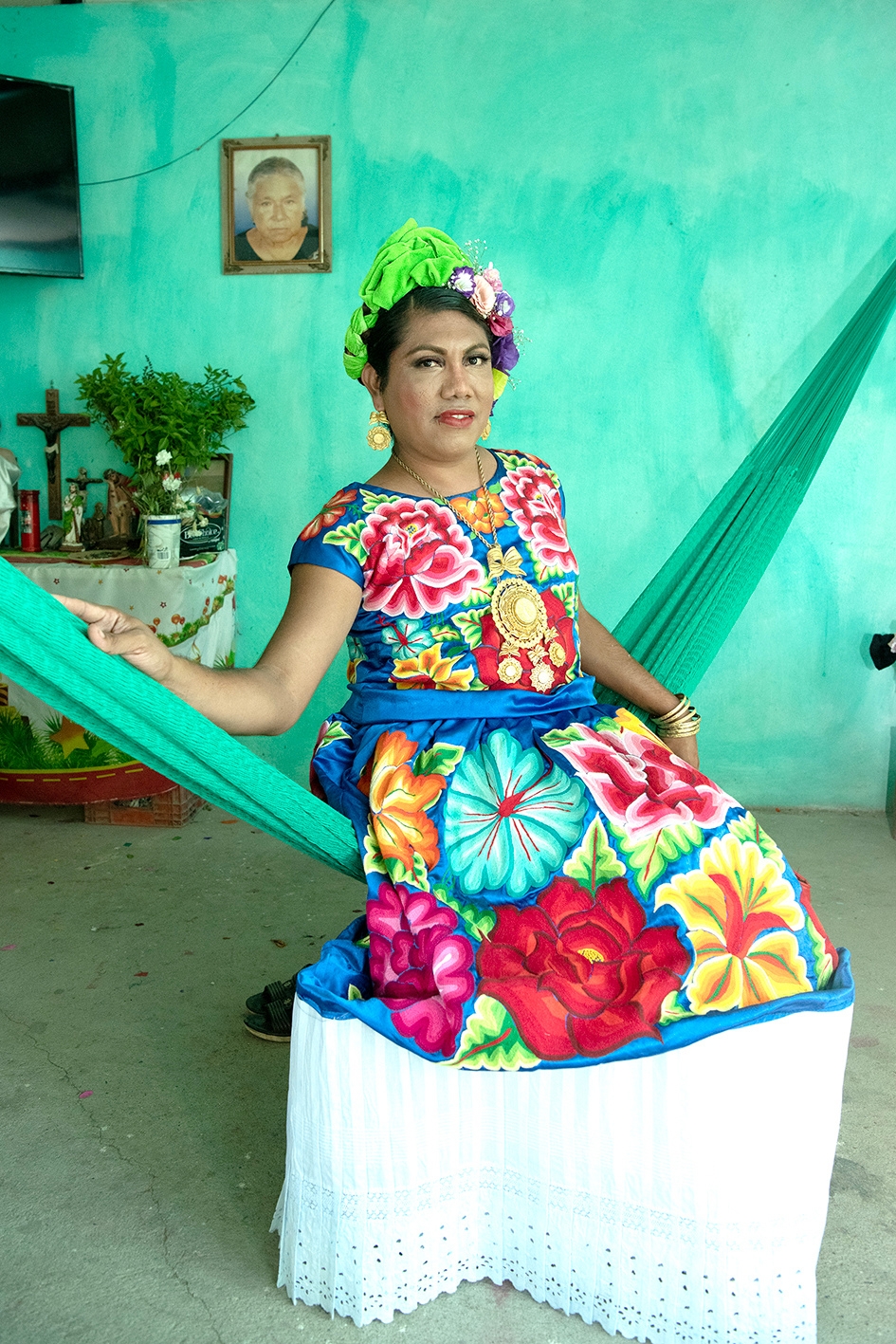
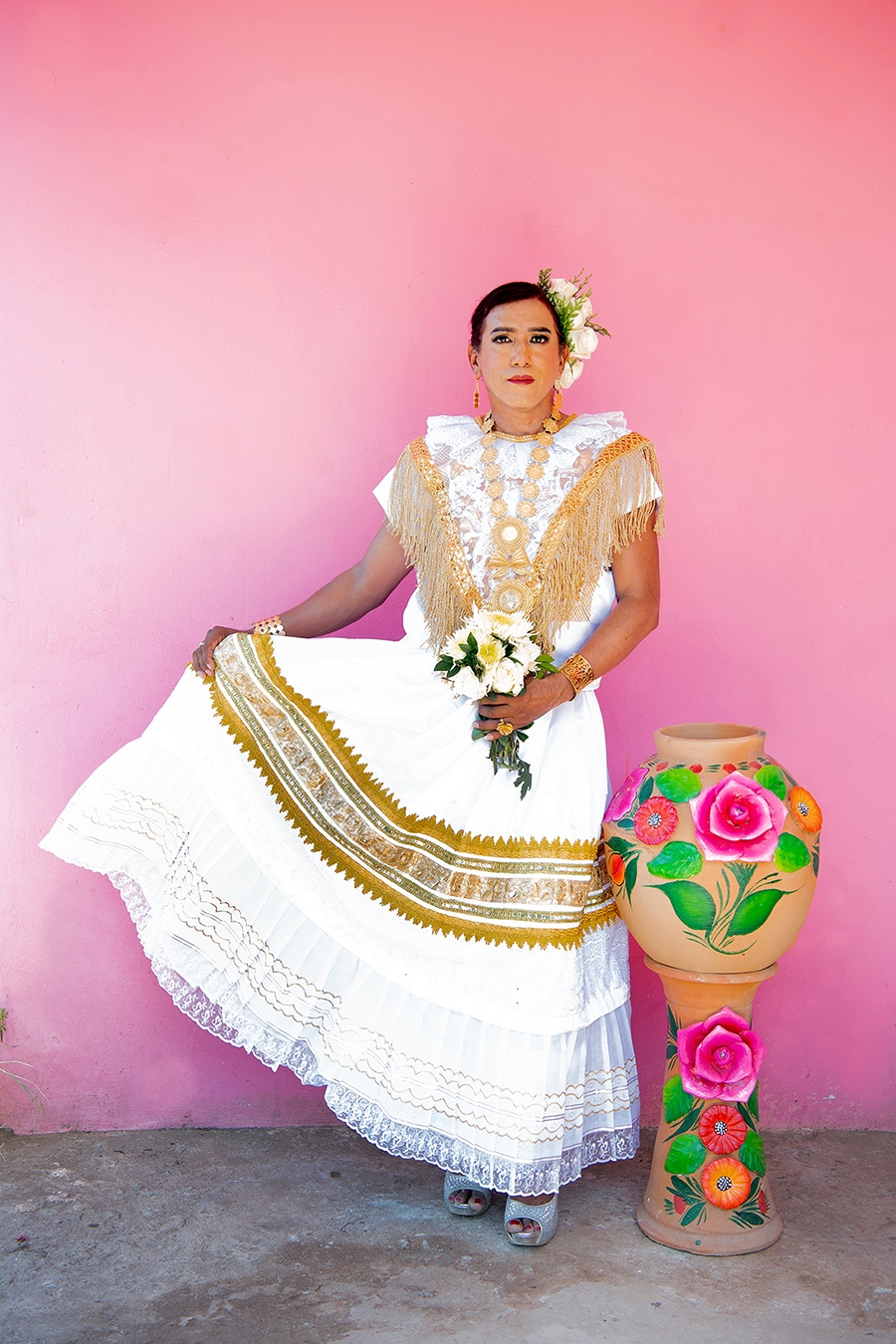
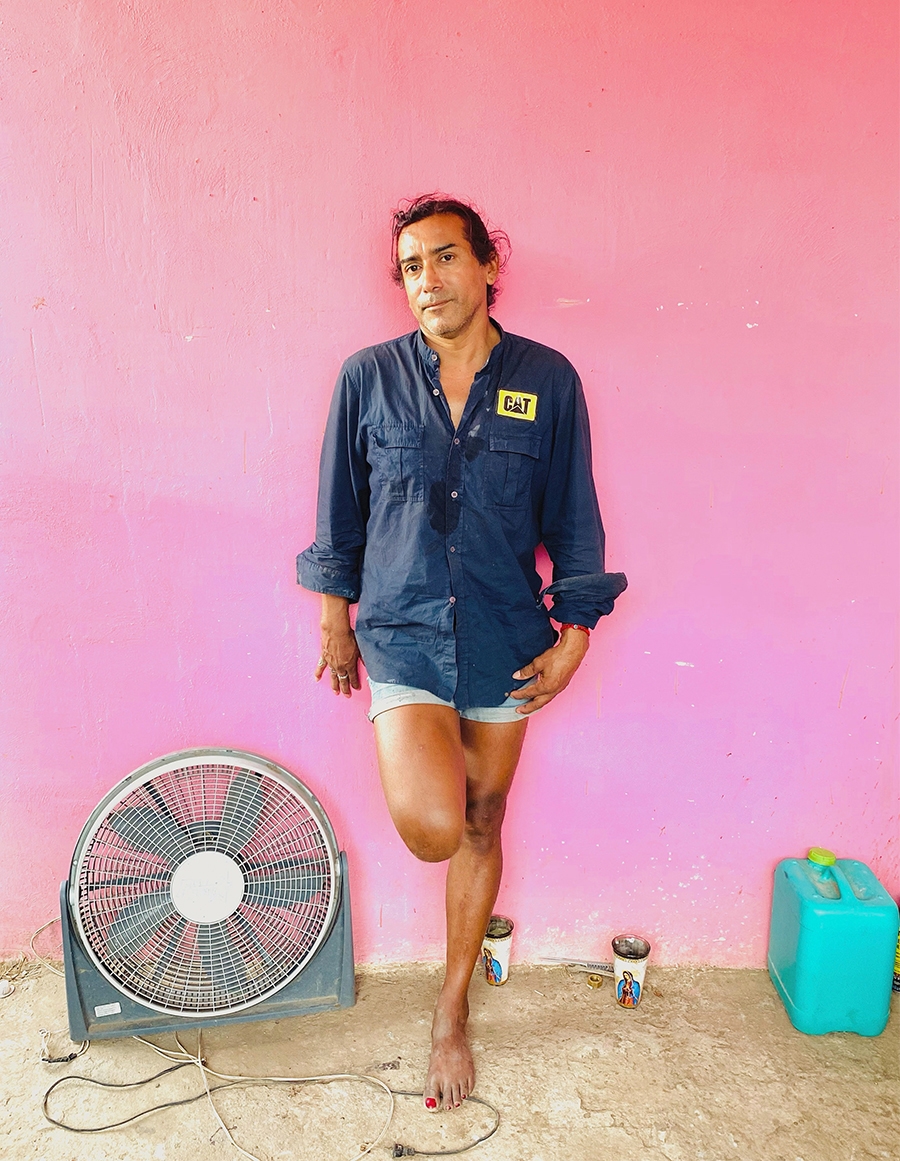
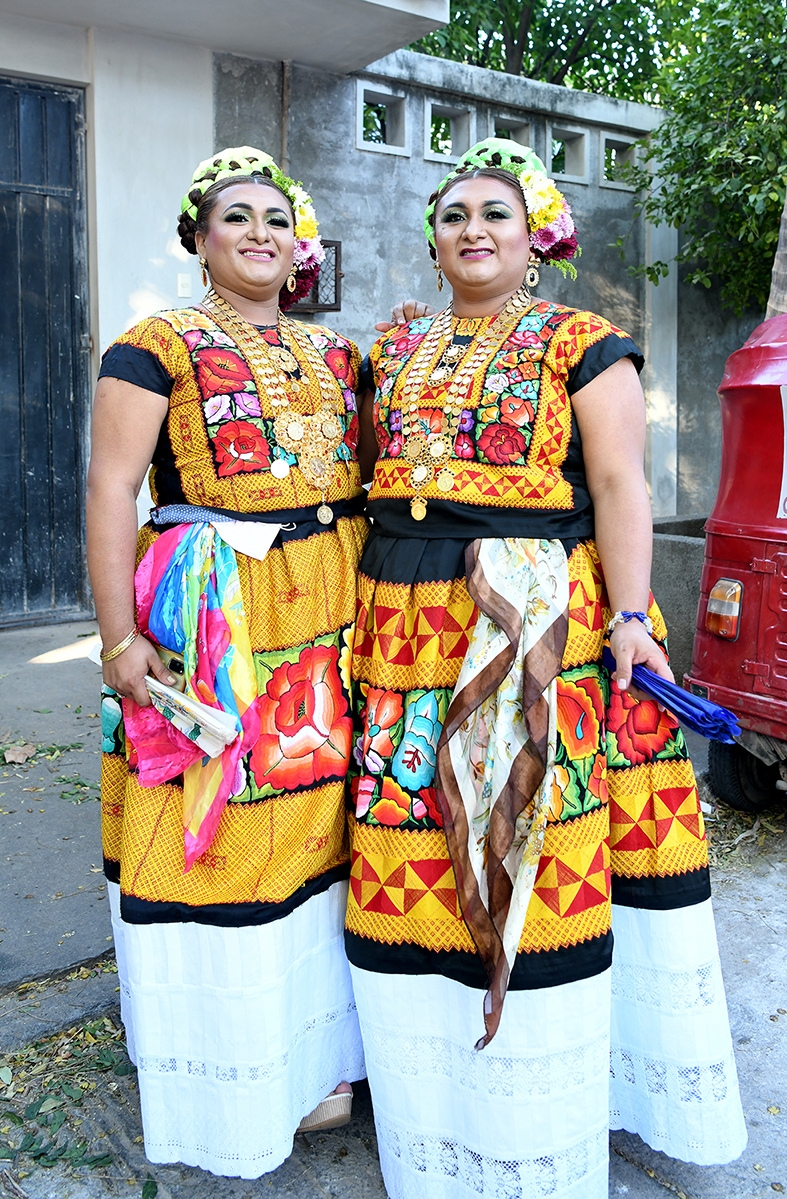
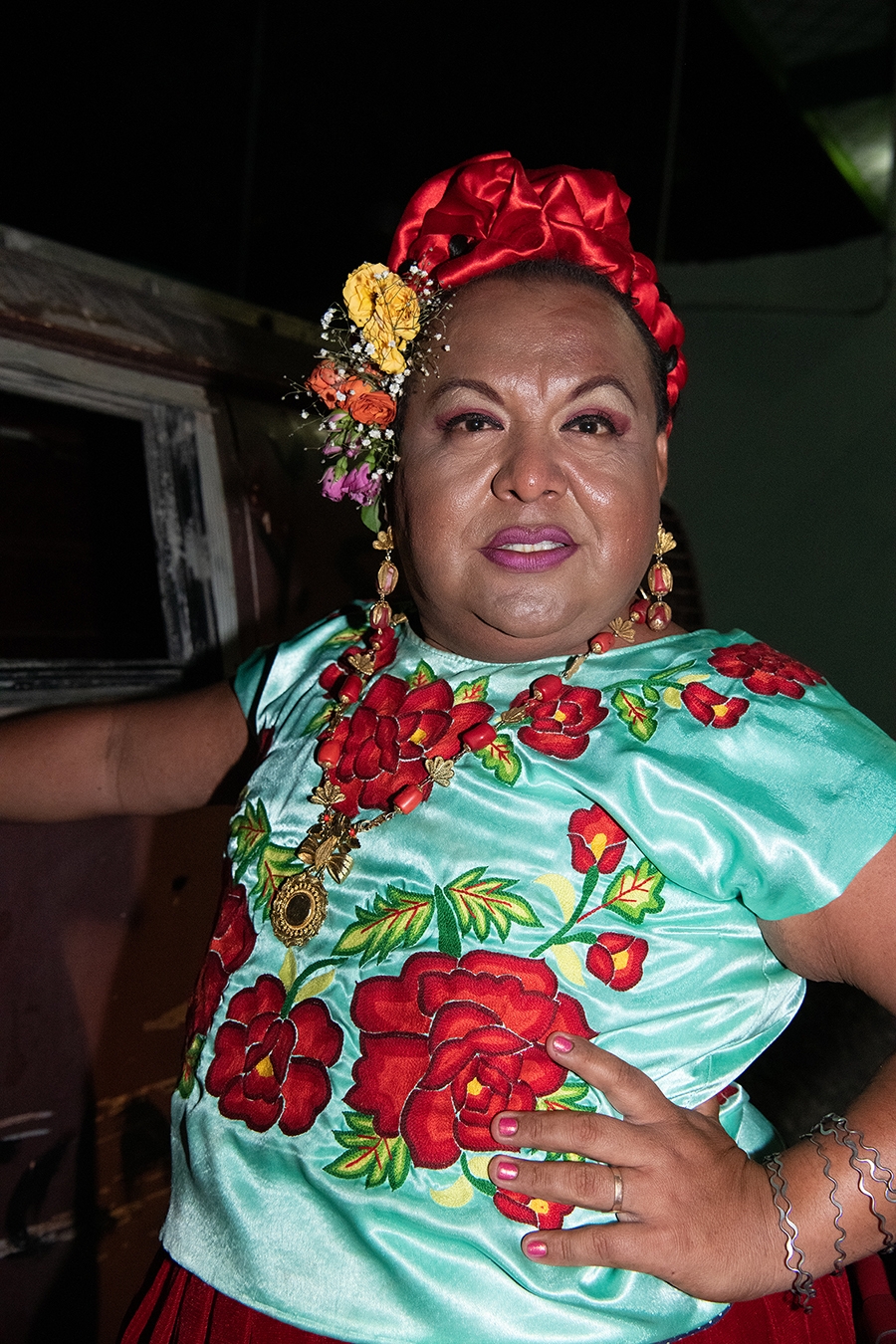
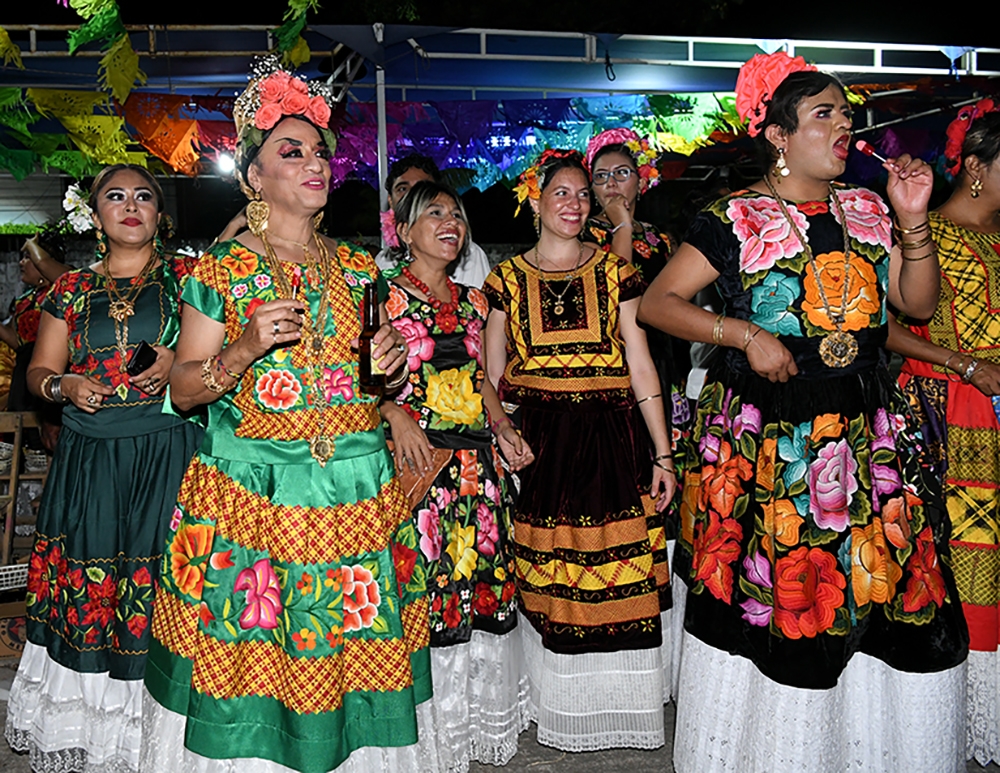
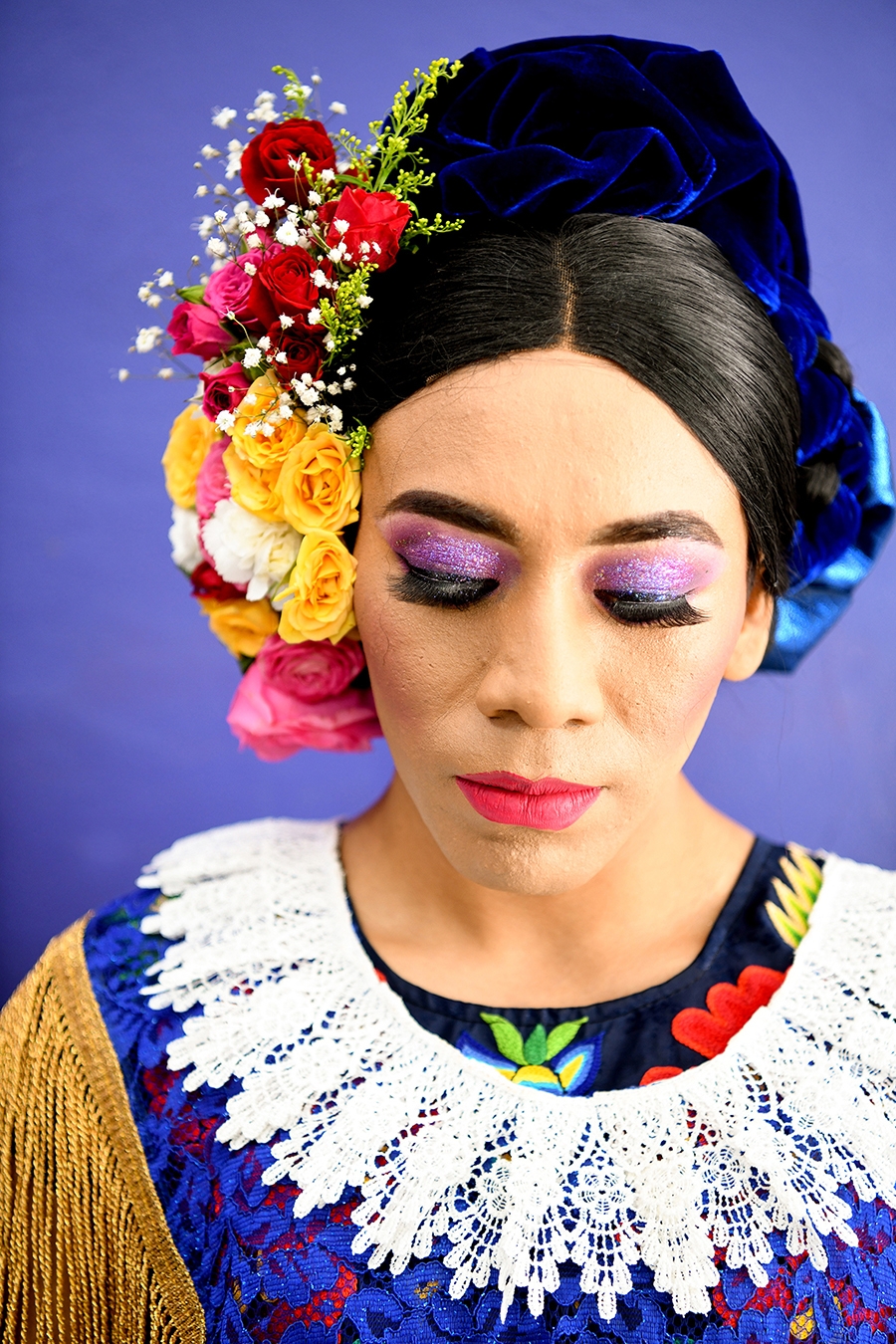
In the heart of Oaxaca, Mexico, within the Zapotec communities of the Isthmus of Tehuantepec, lives a third gender identity that defies Western binaries — the muxe. Neither exclusively male nor female, muxes have long held a revered space in Zapotec culture, existing as caretakers, artisans, spiritual leaders, and community pillars. The portraits show the duality and harmony of being both deeply traditional and radically individual.
In a time when gender diversity is increasingly politicized, the existence of the muxe is both an ancestral echo and a progressive force.
-
BiographyShazia Khan, born in 1976 in, Denmark, is an accomplished photographer known for her evocative visual storytelling and portraiture that transcends cultural and geographical boundaries. Before graduating from Media College Denmark in 2000, she trained with the iconic portrait photographer Gurli Nielsen and interned at The National Museum of Photography, Odense. Shazia has since developed a distinctive style that blends documentary realism with artistic abstraction. Her work resonates with audiences worldwide, capturing the essence of diverse cultures and social narratives.