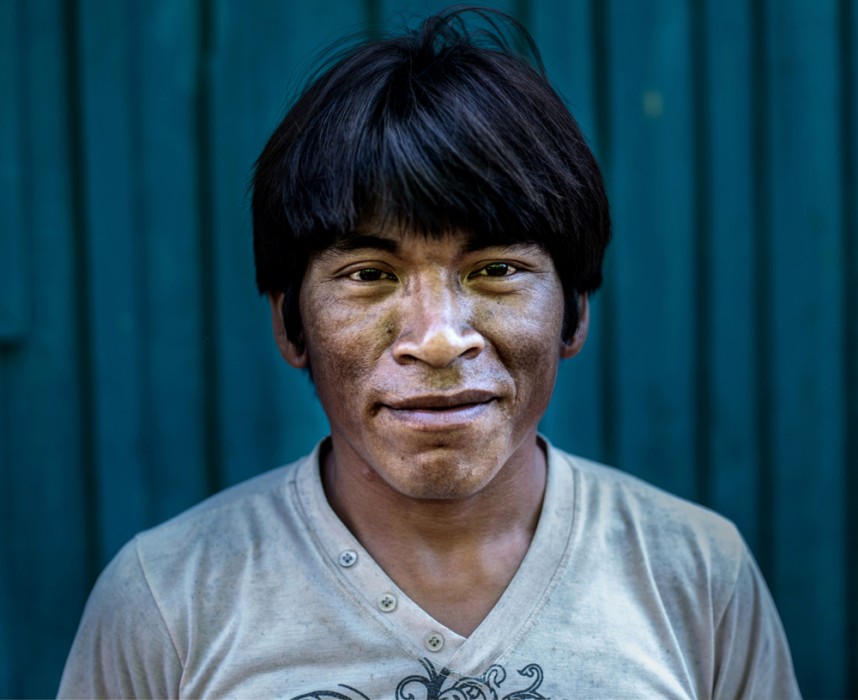
Mereremex: people who extend their beauty
-
PhotographerDegree in journalism and post-graduated on Image and Communication, I am a brazilian photographer currently based in Rio de Janeiro. I am constantly collaborating with the main national newspapers and magazines. In 2011 I was contemplated with Honorable Mention on the National Geographic Photo Contest, SEBRAI Journalism Award, among others. In 2014 have my first assignment published on National Geographic Magazine (Brazil, 18 pages, Out/2014)., Brazil
-
StudioFelipe Fittipaldi
As opposed to past beliefs, there is strong evidence that the
brazilian indigenous populations are growing in the last
decades. In this context and taking into consideration the
interactions and assimilation processes with other cultures, the
issues of the indigenous’ sense of identity are extremely
delicate.
This essay is aimed to approach the issues surrounding the
ethnical identity of Brazil’s remaining indigenous peoples and
how the rest of the society regards them. Willing to debate ways
for their permanence at the core of the Brazilian nation as an
essential part of its people, several questions come up, such as:
Who is the indigenous person nowadays? What defines his/her
identity? Why do they take up such a romanticized and distorted
place within the Brazilian society’s imagery?
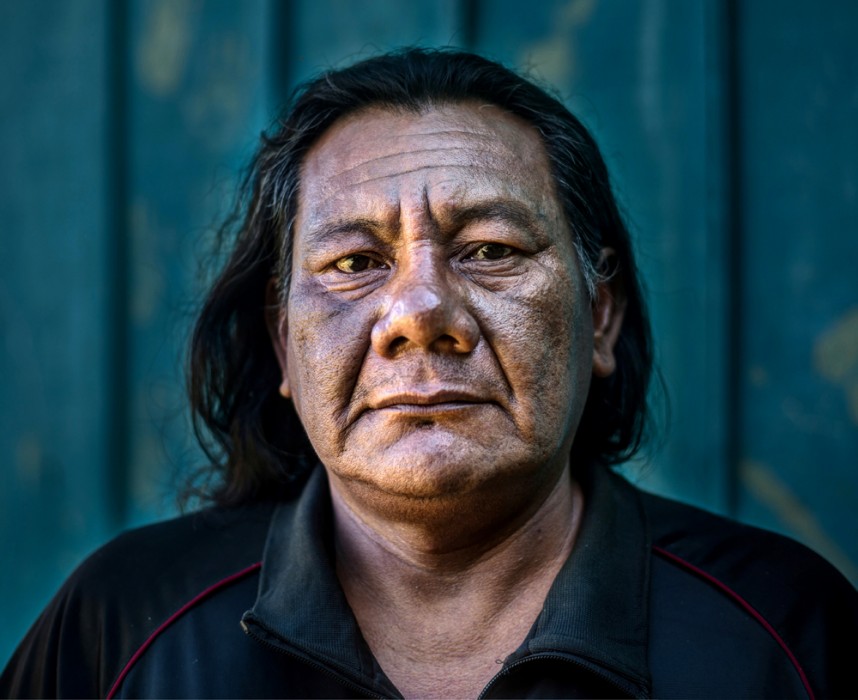
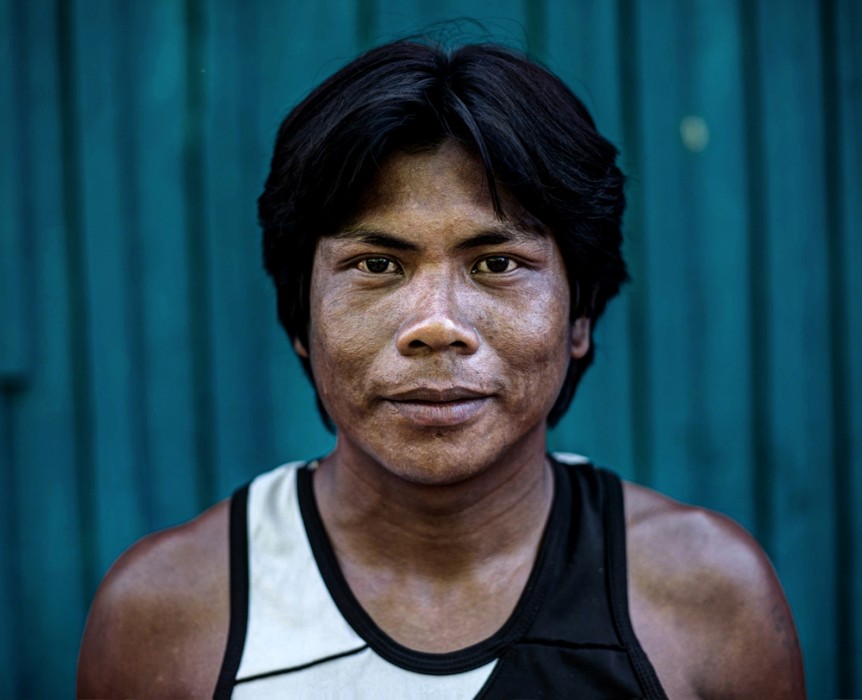
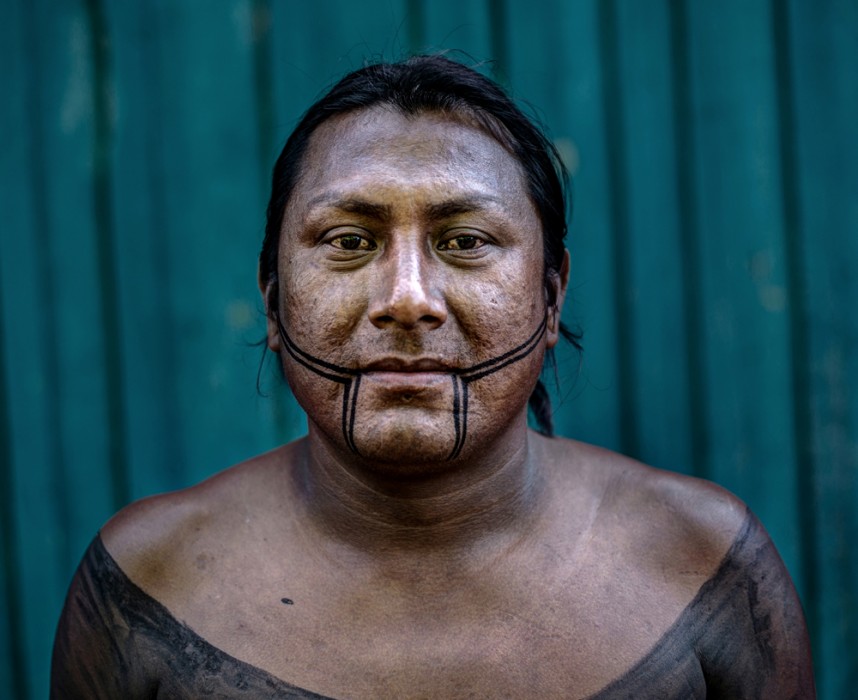
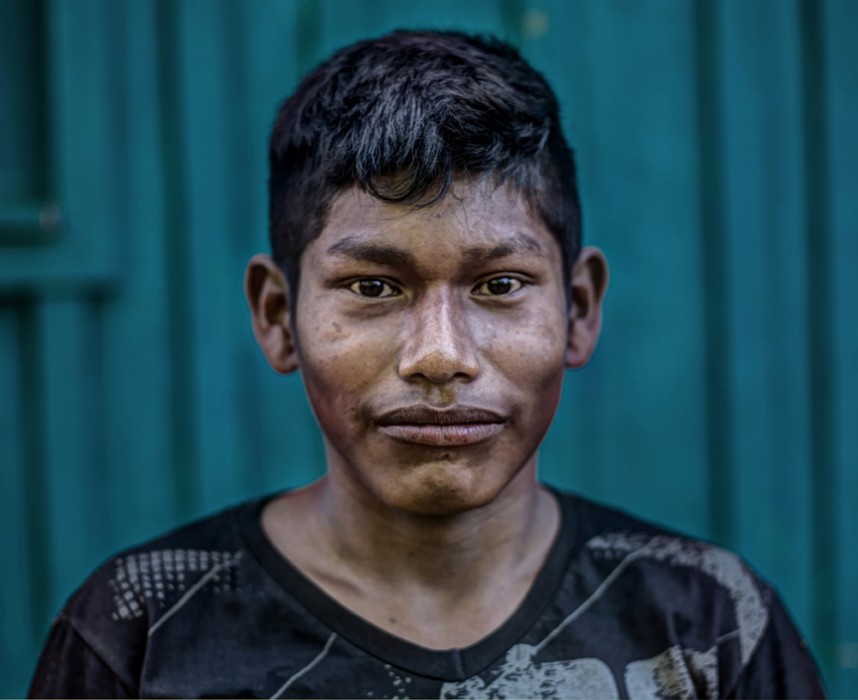
The close shots portray members of a single ethnic background
in their own environment and wearing day-to-day costumes,
not those associated with traditional symbols and rituals. The
images highlight the different phenotypic patterns among
members of a same ethnicity and demystify the overwhelming
idea of the traditional indigenous person as rationalized by the
Brazilian society. This way, they explore the means through
which changes prompted by decades of contacts with various
references were incorporated into the indigenous cultures,
giving their cultural identity a whole new meaning.
-
BiographyBorn in 1982, Felipe Fittipaldi is a Brazilian photographer currently based in Rio de Janeiro. Bachelor in journalism and post graduated in Communication and Image, he is currently engaged in personal projects related to social and environmental issues. He collaborates with some of the main news publications such as El Pa?s, National Geographic. Felipe has been selected to participate in exhibitions and festivals in Brazil, New York, Paris, Colombia, Rome, Tokyo and was recently given first place recognition at the Life Framer Award by Katerina Stathopoulou (MoMA). He has also been awarded by
-
AwardsBorn in 1982, Felipe Fittipaldi is a Brazilian photographer currently based in Rio de Janeiro. Bachelor in journalism and post graduated in Communication and Image, he is currenlty engaged in personal projects related to social and environmental issues. He collaborates with some of the main news publications such as El Pa?s, National Geographic. Felipe has been selected to participate in exhibitions and festivals in Brazil, New York, Paris, Colombia, Rome, Tokyo and was recently given first place recognition at the Life Framer Award by Katerina Stathopoulou (MoMA). He has also been awarded by Lens Culture Emerging Talents Award 2017, POY Latam Award, National Geographic Photo Contest, SEBRAI Journalism Award, CCSP 2017 Exhibition, Magnum Caravan Workshop 2017 and PEF 2017. In 2018 he was selected by the World Press Photo Foundation for the second edition of the 6x6 Global Talent Program.