Sarah Barker

PX3 Prix de la Photographie Paris 2025 – State of the World
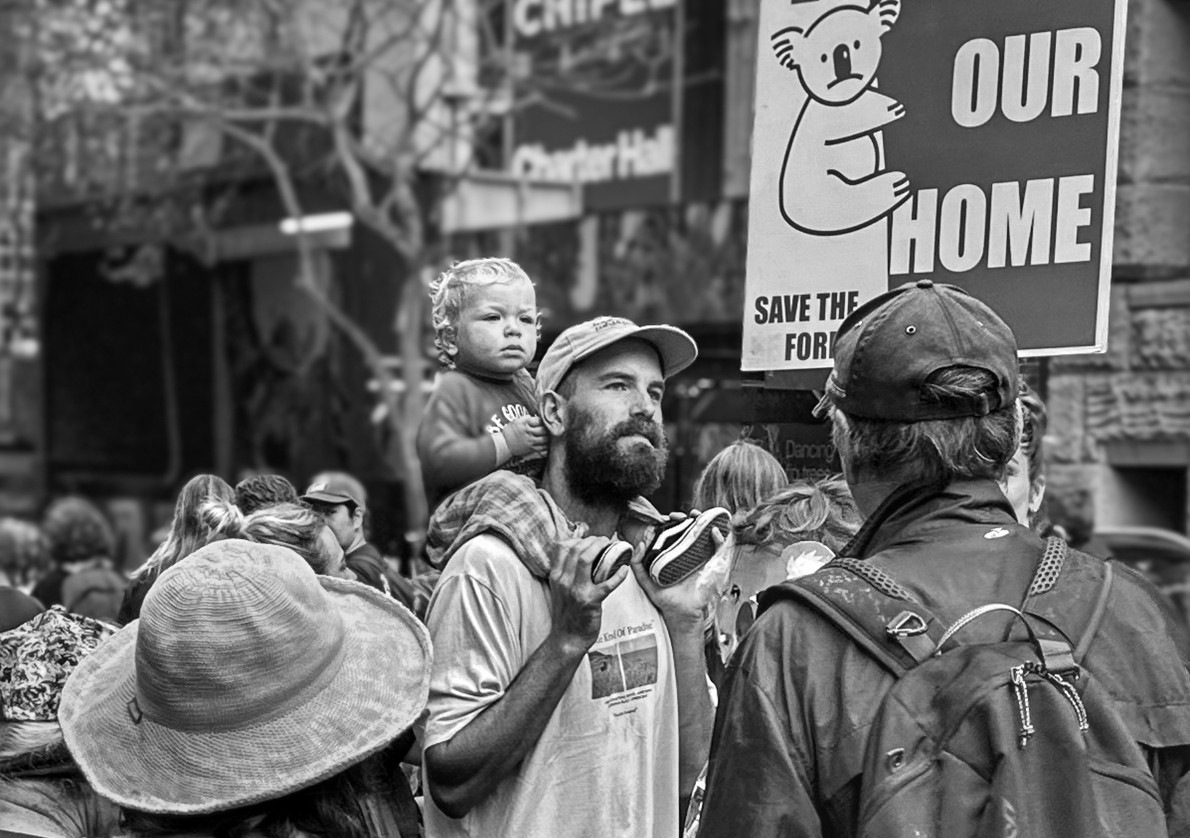
Curatorial Selection – Save the Forests
What inspired you to submit your work to The State of the World competition, and how has receiving this recognition from PX3 impacted your journey as a photographer?
I was inspired to submit “Save the Forests” because the project embodies what The State of the World exhibition stands for—bearing witness to struggle, resilience, and hope. It was an opportunity to highlight a story that might otherwise be overlooked
internationally. The destruction of Australia’s native forests is another form of violence—against ecosystems, species, and future generations.
Receiving recognition from PX3 validates this work on an artistic level and also affirms that the environmental issue belongs in a global dialogue. It has deepened my conviction that photography can be a bridge from visual storytelling to activism.
What was the story you aimed to tell, and did any unexpected moments shape the final result?
My aim with Save the Forests was to show the humanity of Australia’s forest defence movement. Inspired by the Bob Brown Foundation’s March for Forests, I attended the Sydney rally in March 2025. Thousands of people gathered around the country to call for an end to native forest logging.
Photographing the marchers revealed the depth of community and shared care driving the movement. The humanity of the marchers reshaped the series from a record of activism into a portrait of solidarity and hope.
Can you take us behind the scenes of your winning series? What challenges or surprises did you encounter while creating it?
The Sydney march was intense, visually and emotionally. The diversity of people was a reminder that environmental protection isn’t a niche concern; it’s a shared human responsibility.
I wanted to show the conviction of the marchers. Despite the urgency and anger, there was an undercurrent of joy – music, laughter, creative banners and costumes. That sense of hope became central to the series’ tone.
Photojournalism often demands vulnerability—from both subject and photographer. How do you approach capturing truth while maintaining empathy and respect?
My approach begins with listening. Before photographing, I try to understand what people want their actions to communicate. I see them as co-creators rather than subjects.
Empathy, to me, is a kind of discipline. It requires restraint as much as engagement:. In documenting environmental & social activism, I’m careful to portray strength and dignity, not only struggle. The truth of a movement lies as much in its compassion as in its confrontation.
Looking ahead, are there any social or environmental themes you feel compelled to explore further through your work?
Yes. I’m drawn to exploring themes of ecological restoration and community resilience—especially First-Peoples-led conservation efforts and grassroots climate action.
I’m also interested in documenting the emotional landscape of environmental change —the grief, and also the hope, that drives people to act. Like the curator Hossein Farmani wrote, I want my work to encourage reflection on “the threads that connect us,” and to remind viewers that caring for the planet is, ultimately, a profoundly human story.