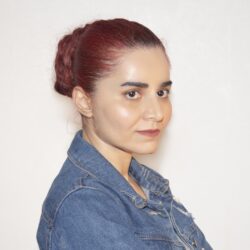
Fereshteh Eslahi
PX3 Prix de la Photographie Paris 2025 – State of the World
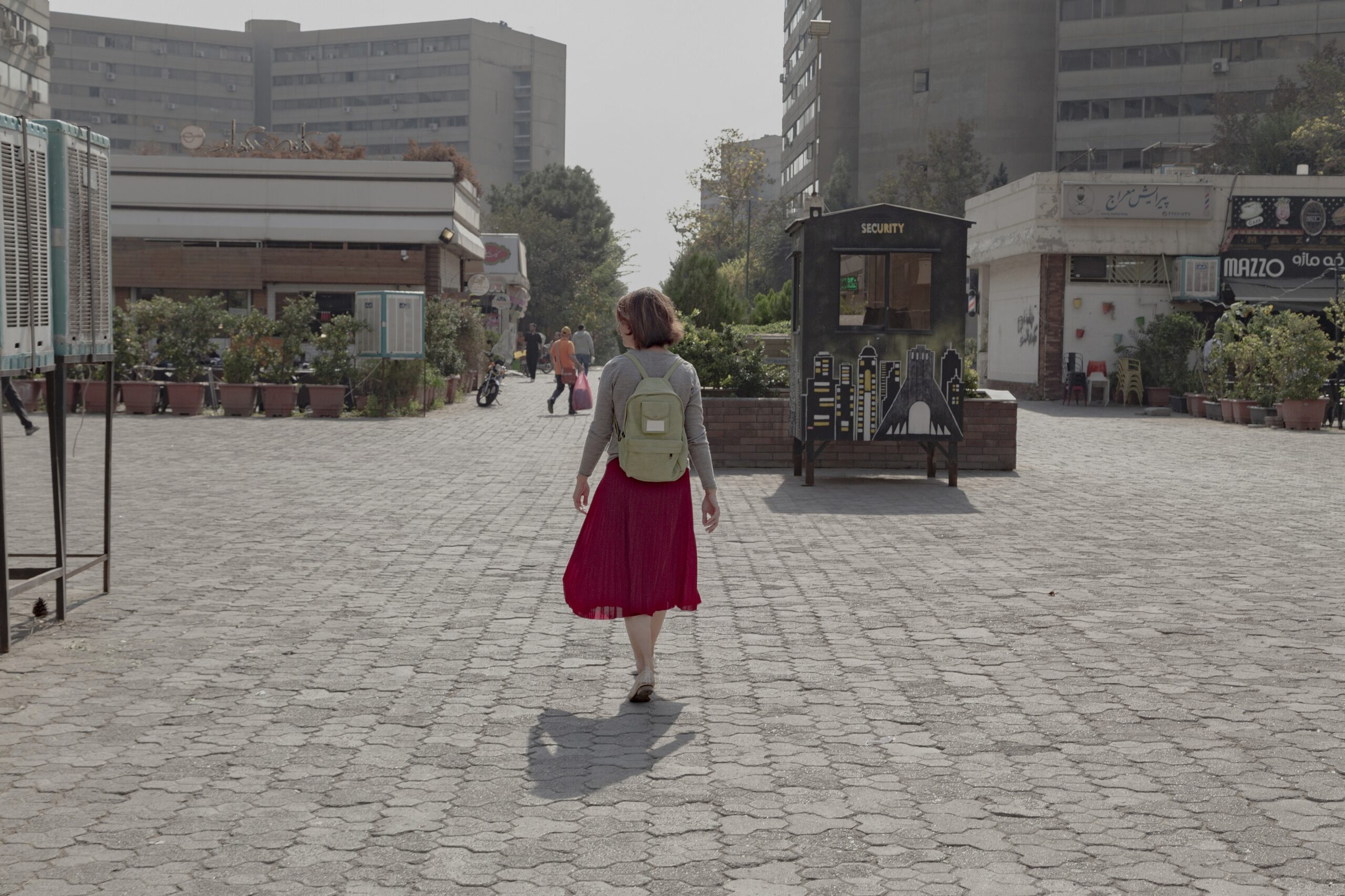
Curatorial Selection – But We Were So Strong
Can you take us behind the scenes of your winning series? What was the story you aimed to tell, and did any unexpected moments shape the final result?
This series is actually part of a long-term project in which women play the central role. I live in a country where women have been ignored in many ways by both the government and a deeply rooted patriarchal tradition. And, of course, as a woman, I have always been a part of this story myself. But in my country, women have always tried to break taboos, and they do not accept these chains. The peak of this uprising was the Woman, Life, Freedom movement.
I have followed the entire path women have taken without knowing the final outcome of the project, or where this resistance might eventually lead. So there are always unexpected events that challenge your direction. In subjects like this—where the aim is to document an ongoing process connected to society and its reactions—you can speculate about how it might end, but there is no definite answer. Everything works like a butterfly effect; you can never be certain what will ultimately happen. The recent twelve day war and the shadow of conflict, for example, will undoubtedly influence the direction of the movement.
And naturally, it will also influence the direction of my project.
Photojournalism often demands vulnerability – from both subject and photographer. How do you approach capturing truth while maintaining empathy and respect?
Respecting the rights of my subjects is a top priority for me. In 90 percent of cases, I am not a photographer who quickly takes a picture and moves on. I usually spend a lot of time engaging with the subject, being part of their world, listening to their story, and doing everything in that regard—except in cases where the subject is in a public space and I am certain that photographing them will not cause any trouble.
Since the lives and concerns of my subjects have been part of my daily experience and something I have grappled with personally, I have generally earned their trust and confidence that I am a good custodian of their stories. I believe that the safety of my subjects and my integrity in telling their stories is what gives my work credibility, and I never want to compromise that.
However, in this region, you should also know that as a documentary photographer, there are many situations where you yourself may face risk or harm.
How has receiving recognition from The State of the World competition influenced your perspective on the role of your work in today’s global dialogue?
Unfortunately, I was unable to attend the exhibition in person or even see an image from my series displayed there. However, like all documentary photographers and photojournalists, my dream is to make the voices of the people captured in my images heard by those who need to hear them.
What motivates you to continue capturing the world through your lens, and where do you hope to take your work in the future?
To be honest, there was a time when I believed that images could directly create change. But today, after many years, I realize that this was a naive dream. It may sound pessimistic, but witnessing thousands of events unfolding across the world, I am coming to understand that someone like me can only make people think — I cannot create significant change. Perhaps I have grown more cynical, but I see a kind of inevitability imposed by powerful institutions, and I often feel powerless against it.
Yet even with all this, I don’t stop moving. I am part of the people who know their power is limited but still try to push for change. Everyone contributes in their own way, and mine is to document and prevent things from being forgotten. I no longer think too much about the future — I simply continue on the path.
How do you find balance between aesthetic vision and factual storytelling – ensuring that beauty enhances rather than distorts truth?
I do not create beauty to soften reality or to decorate suffering. Therefore, between beauty and truth, I always choose truth, and beauty is present in the image only when it is part of reality itself. If there is beauty in my photograph, it usually comes from the reality of the situation: from the tension in the atmosphere even within stillness, from the subject’s gaze, or from a trace of their emotion that has become tangible. I never try to make anything more beautiful; I only try to see more clearly. I am strongly opposed to sentimentalism in documentary photography, and I even believe that when beauty becomes excessive, it can damage reality and distract the viewer’s eye with surface aesthetics instead of engaging their mind with the concern behind the image and its story.
Human beings hold a special importance in my photographs, but I neither try to portray my subject as more beautiful than they are, nor do I, if I have a criticism of them, portray them in a way that humiliates them. I prefer the viewer to understand them through their environment or their story, not through something I have forcibly imposed. I maintain a human distance so that I do not fall into false romanticism. At the same time, I allow — and try — the situation and the space to give power to my subject’s presence, not surface aesthetics or decorative beauty.
I try, by invoking the mental presence of my subject that reflects the pains within them, to involve the viewer with the concerns of my photograph — not to create a misleading beauty that makes the viewer get caught in a superficial layer of aesthetics and say at first glance, “What a beautiful picture!” instead of thinking about my concern. Or if they do say that, at least it would be because of the feeling they received from the subject and the situation — not because of colorfulness or eccentric framing.