Abdelrahman Alkahlout
PX3 Prix de la Photographie Paris 2025 – State of the World
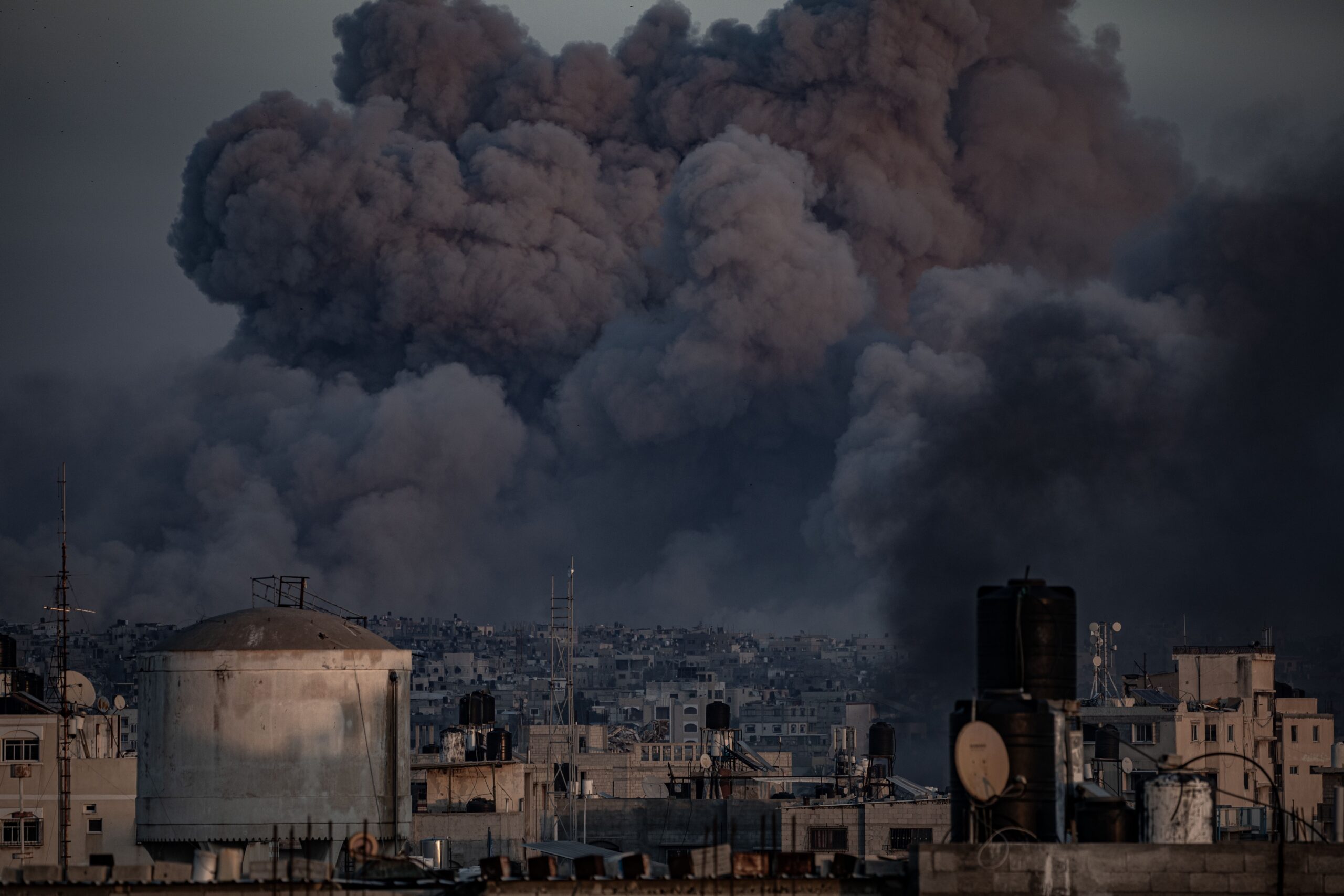
Curatorial Selection – Nowhere to Escape: Gaza’s Civilian Ordeal
How has your personal background or life experiences influenced the global issues and stories you choose to capture through your photography?
As a Palestinian photojournalist from Gaza, my life shaped the stories I tell. Growing up amid war and loss taught me to see humanity within suffering. My photography is both personal and political a voice for those silenced. Through my lens, I aim to show not only pain, but also resilience, faith, and the unbroken spirit of my people.
Can you take us behind the scenes of your winning series? What was the story you aimed to tell, and did any unexpected moments shape the final result?
My winning series documents the lives of civilians in Gaza during the ongoing genocide. I aimed to tell the story of humanity’s endurance amid unimaginable loss to show faces, not numbers. Many moments were unexpected: people praying among ruins, doctors working under fire, children holding their mothers’ hands after airstrikes. These scenes weren’t planned; they were raw truth. Every frame carries a piece of pain, faith, and defiance that defines Gaza’s story.
Your work highlights some of the most crucial and pressing issues in today’s world. How do you balance technical precision with the raw emotion needed to create a powerful, thought-provoking image?
For me, emotion always comes first. Technical precision is important, but it should serve the story not overshadow it. In Gaza, there’s often no time to adjust settings or perfect composition; everything happens in chaos. What matters most is honesty capturing a real human moment before it disappears. I balance both by letting emotion guide the frame, and then using my technical skills to give that emotion the clarity and strength it deserves.
Photojournalism often demands vulnerability – from both subject and photographer. How do you approach capturing truth while maintaining empathy and respect?
Photojournalism, for me, is built on empathy. I never see people as subjects they are humans living through moments of pain and strength. To capture truth, I must first earn their trust and share their space with respect. Sometimes that means lowering the camera and just listening. The more I connect with them as a human, the more honest the image becomes. Truth without empathy can be exploitation, but truth with compassion becomes testimony.
What motivates you to continue capturing the world through your lens, and where do you hope to take your work in the future?
What keeps me going is the belief that images can outlive war and speak when words fail. Every photograph I take is a piece of history a reminder that humanity still exists, even in the darkest places. My motivation comes from my people in Gaza, from their resilience and faith. In the future, I hope to take my work beyond photography to create visual archives, exhibitions, and educational projects that preserve truth and inspire compassion worldwide.