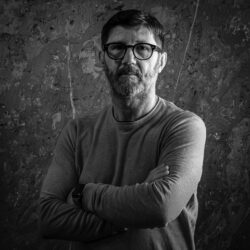
David Marciano
PX3 Prix de la Photographie Paris 2025 – State of the World
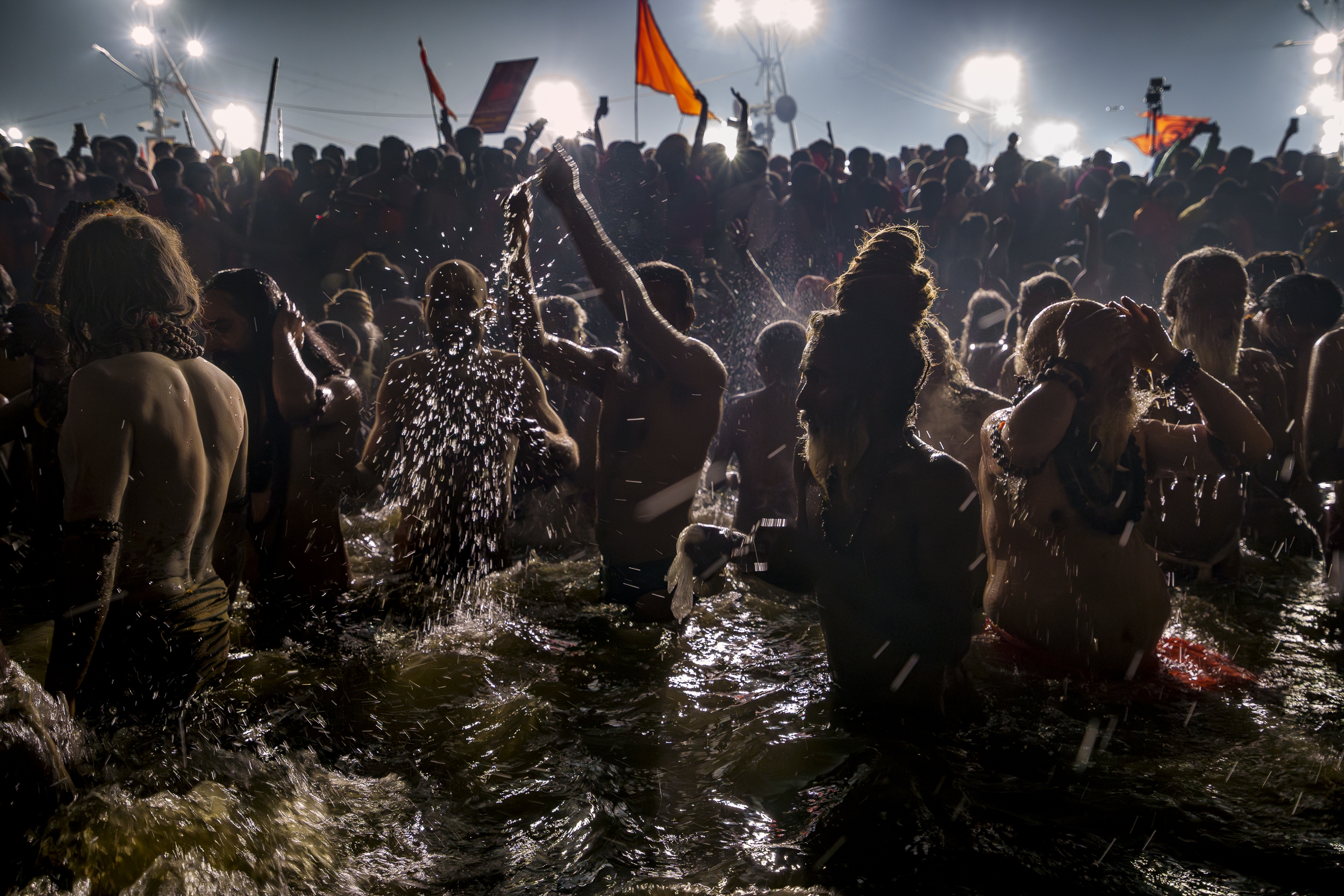
Curatorial Selection – THE RIVERS OF FAITH
What was the story you aimed to tell, and did any unexpected moments shape the final result?
I had decided to attend this extraordinary edition of the Maha Kumbha Mela as a spectator, an event that attracted millions of visitors. My intent was simply to be there and see such a gathering of people with my own eyes. It was unexpectedly difficult due to crowd management, with daily closures, long waits, and moments of frustration because I wasn’t allowed into the site where the festivities were taking place. But in the end, I managed to participate in the most important events, especially the procession to the Sadhus’ sacred bath. I didn’t think I’d immerse myself with them in the waters of the Ganges, but I did, and it was incredible to be able to photograph the most intense moment of the religious event.
Your work highlights some of the most crucial and pressing issues in today’s world. How do you balance technical precision with the raw emotion needed to create a powerful, thought-provoking image?
I’ve always thought it was important to know photographic technique. When I bought my first camera, I immediately read the entire instruction manual! I believe technique can only be taken for granted once you’ve mastered it. I believe the emotion a photo must convey is more important, and small imperfections can sometimes make an image even more captivating. However, the photo in front of you takes shape in an instant, and you can’t make mistakes. To avoid missing the moment, you have to be ready, and technique helps you with this.
How has your personal background or life experiences influenced the global issues and stories you choose to capture through your photography?
A lot. As a boy, I participated in various humanitarian missions, and it was there that I took my first photographs. They taught me to tiptoe into people’s lives, to talk and socialize before taking a picture, to take an interest in people and not just consider them the subjects of my photographs. They taught me empathy and a desire to understand the person I’m photographing and their story.
What inspired you to submit your work to The State of the World competition, and how has receiving this recognition from PX3 impacted your journey as a photographer?
I have already participated in PX3 and have already been selected once for “State of the World.” I find it one of the most prestigious and important competitions, and I’m honored to have had my work selected twice! It offers great visibility and is therefore a very effective way for me to publicize my projects.
Looking ahead, are there any social or environmental themes you feel compelled to explore further through your work?
I am always been interested in social issues and have several ideas for future projects. They’ll always be linked to my passion for travel and exploring cultures I’m not yet familiar with.