Natalya Saprunova
PX3 Prix de la Photographie Paris 2025 – State of the World
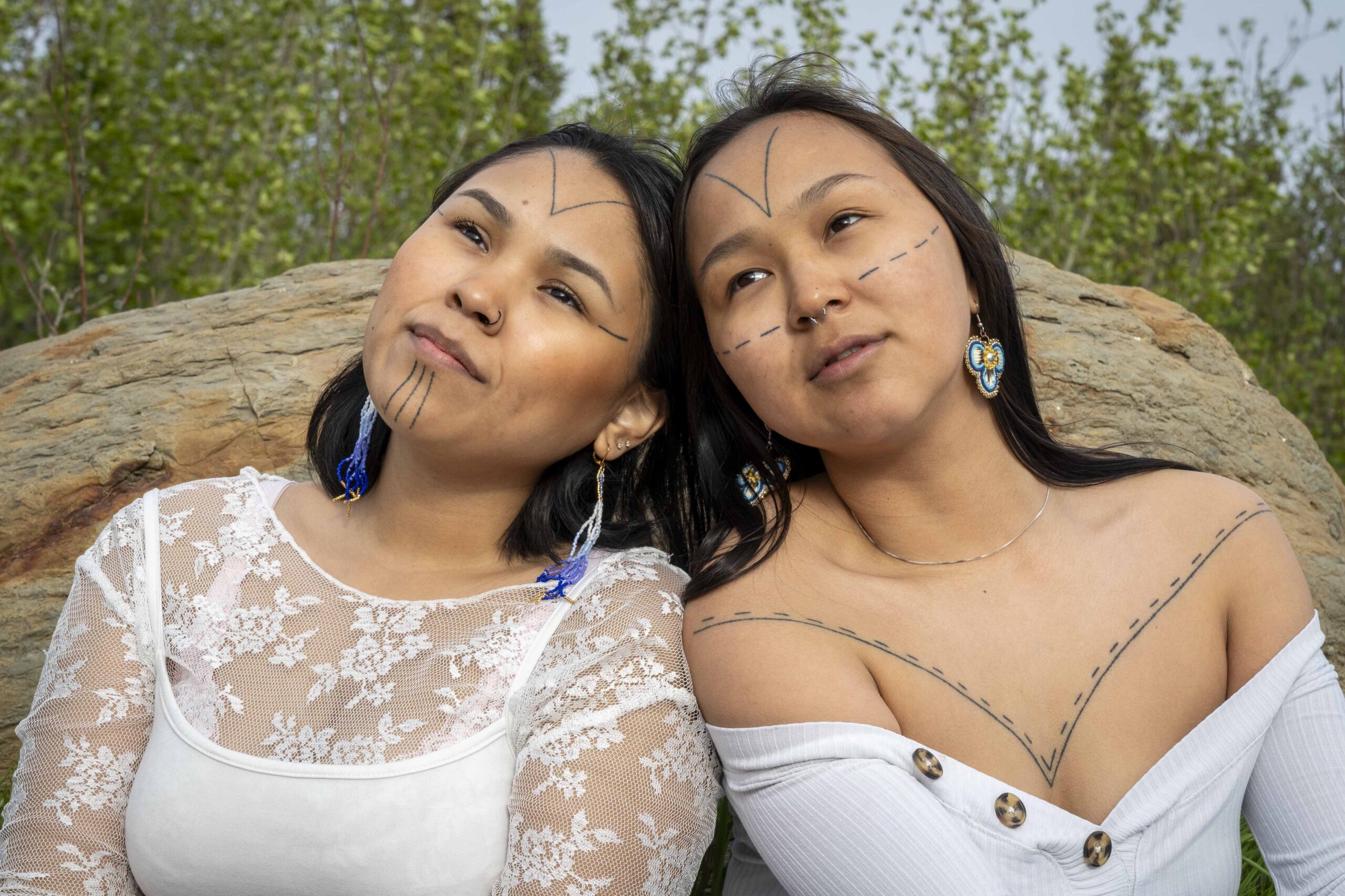
Curatorial Selection – Threats to Inuvialuit lands
Can you take us behind the scenes of your winning series? What was the story you aimed to tell, and did any unexpected moments shape the final result?
In the summer of 2021, I returned to my home region in Russia, the Kola Peninsula, near Finland and Norway, to document the modern life of the Saami, traditional reindeer herders. At the same time, a heatwave was hitting this part of the Arctic in the northwest of the country +35 °C in June felt unreal! The local people were doing their best to cope, adapting as they could.
I then asked myself a question: if the air is warming this much, what is happening to the ground? And more importantly, what is happening to the permafrost – this soil that has been frozen for millennia and covers 20 % of the Earth’s land surface? My thoughts immediately went to Yakutia, the region of Siberia considered the cradle of permafrost, which became the first chapter of this work.
After Russia, I wanted to expand my project to Canada. This country, severely affected by permafrost thaw, has the longest inhabited Arctic coastline in the world. It is a key territory for understanding the scale of the damage.
Visiting these areas, I observed the same phenomena as in Siberia: ground subsidence, destruction of infrastructure, formation of thermokarst lakes, the release of greenhouse gases, and threats to ecosystems and traditional food sources. Everywhere, climate change is felt not only as a material threat but also as a spiritual and cultural one.
Photojournalism often demands vulnerability – from both subject and photographer. How do you approach capturing truth while maintaining empathy and respect?
For me, photojournalism begins with listening. Before taking out my camera, I spend time with people, sharing tea, walking with them, understanding their stories and their relationship with the land. Trust is something that must be earned.
Empathy guides every step of my work. When people open their doors and lives to me, I feel a deep responsibility to represent them with honesty. I’m not there to steal their privacy, but to respect it, to tell their story with care and integrity.
When I first arrived in Canada, there was some mistrust: people suspected I might profit from my photos, steal traditional knowledge, or even be a spy. Overcoming these barriers took time. I talked, explained, reassured, and shared everyday moments: cooking together, learning to sew fur, to drum and dancing… In the end, people welcomed me into their lives. They invited me to go fishing, partying, took me snowmobiling with them… I know that if I returned today, I would be greeted with open arms.
Your winning image is a reflection of an important moment or reality – how do you approach the responsibility of documenting such impactful stories?
I believe every image has the power to shape how we understand the world, especially when it comes to fragile environments and communities living on the frontlines of climate change. In Canada, I spent time in remote northern communities like Tuktoyaktuk, where people are already forced to move their houses because the coastline is literally collapsing into the ocean. I remember one storm when the sea was eating away at the shore right in front of us, and I realized I wasn’t just witnessing erosion, – I was witnessing the loss of a way of life.
I felt that my responsibility was to report on climate change in the Arctic and to show the human and environmental consequences of permafrost thaw: not just the disappearing land, but also the disappearing memories, identities, and homes of Indigenous communities living on this fragile ground. This project became not only about documenting a phenomenon, but also about giving a voice to those living at the edge of a vanishing world.
What motivates you to continue capturing the world through your lens, and where do you hope to take your work in the future?
Looking ahead, I want to continue exploring the global impacts of permafrost thaw, from Siberia to Canada and beyond, showing how these distant regions connect to all of us. My hope is that my work can inspire empathy, raise awareness, and encourage people to take action for the planet, because the stories I capture are ultimately part of our shared human and ecological future.
How do you find balance between aesthetic vision and factual storytelling?
For me, the aesthetic choices in my photography are always guided by the story I want to tell. I aim to capture images that are visually compelling, but never at the expense of accuracy or truth. Light, composition, and framing are tools to draw viewers in, to make them pause and reflect, but the facts, the realities of people’s lives and the environment, always come first. In documenting permafrost thaw, for example, the landscapes themselves are striking, but my focus is always on what those changes mean for the communities and ecosystems that depend on this fragile ground. Aesthetic vision helps communicate urgency and empathy, but it never overrides responsibility.