Naama Zeevi Rivlin

PX3 Prix de la Photographie Paris 2025 – State of the World
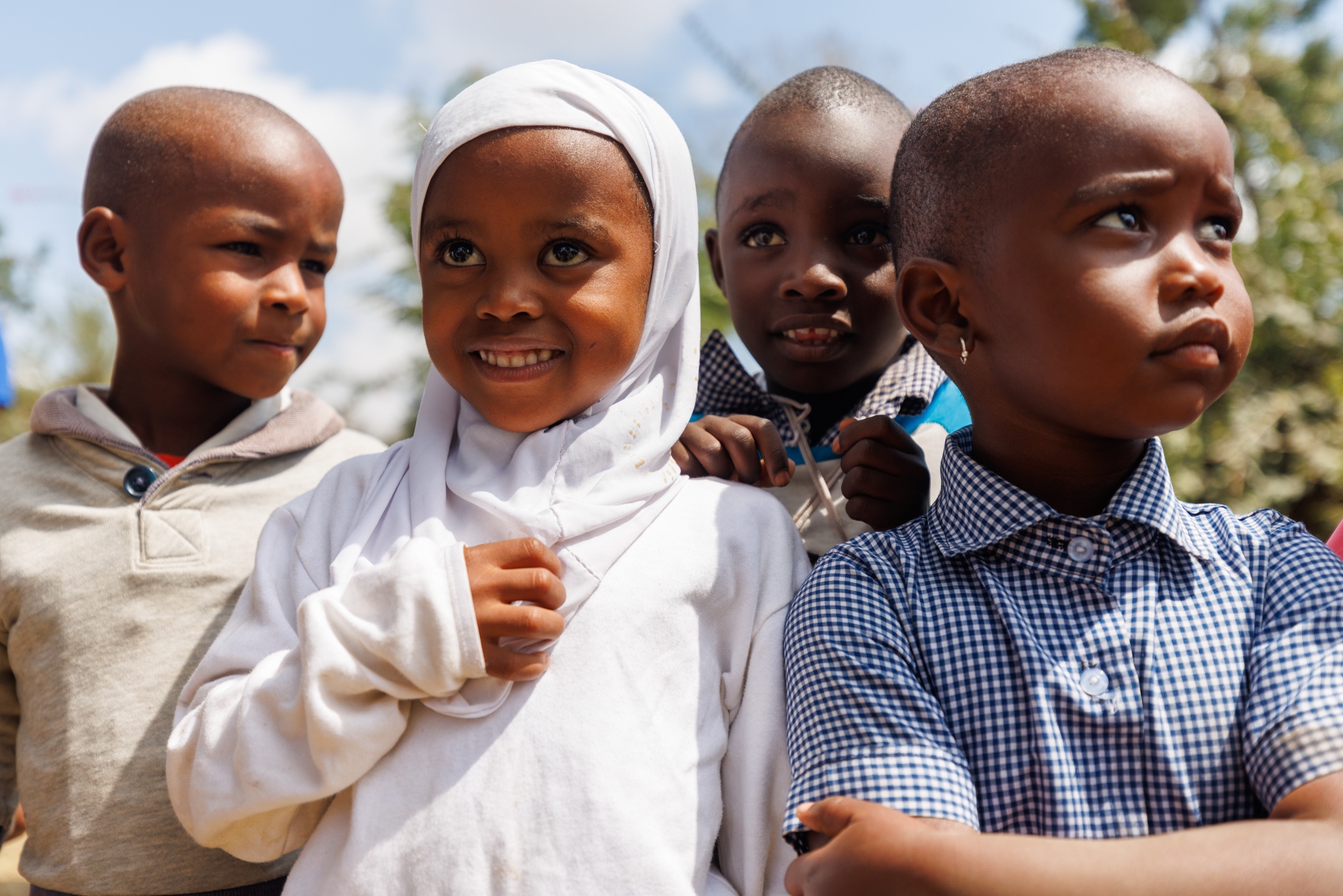
Curatorial Selection – GIVVING A FUTURE FOR TANZANIA’S ORPHANS
What was the story you aimed to tell, and did any unexpected moments shape the final result?
The story I aimed to tell in the series presented is, at its core, the story of the “Lev Africa” organization, which supports orphans by helping them access proper education and providing them with a real alternative for a better future.
My goal was to tell both the story of the organization and the children — to shed light on the meaningful and impactful work being done there, from my perspective as the photographer who witnessed and documented it all. The story I aimed to tell in the series I presented is, at its core, the story of the “Lev Africa” organization, which supports orphans by helping them access proper education and providing them with a real alternative for a better future.
Photography has the ability to raise awareness, shift perspectives, and even inspire action. What role do you believe visual storytelling plays in addressing global challenges?
I believe that photography has the power to raise awareness and shift perspectives on social issues and marginalized individuals. As an activist photographer, this is my primary goal. In addition to my work as a trauma therapist and social activist—advocating for vulnerable populations such as women in prostitution, survivors of sexual violence, and others—visual storytelling adds a powerful layer beyond words, carrying a strong message that can inspire real change.
How has your personal background or life experiences influenced the global issues and stories you choose to capture through your photography?
In my professional life, I am a therapist specializing in trauma and post-trauma. For many years, I founded and led the first pioneering therapeutic program in Israel for women in prostitution. I have worked to raise awareness and influence policy in favor of these women, and I even served as a permanent member in the parliamentary committee for policy change within government ministries and for legislative amendments based on real needs from the field. I define myself as a social photographer and see photography as an additional dimension and a powerful tool for creating change.
Your work highlights some of the most crucial and pressing issues in today’s world. How do you balance technical precision with the raw emotion needed to create a powerful, thought-provoking image?
The technique is meant to serve what you want to convey in the image, and most importantly, to communicate connection and convey message . When I photograph, I consider the angle or approach that will best capture and express what I want to convey—especially the human story. Technical precision is a means, not the goal itself.
Looking ahead, are there any social or environmental themes you feel compelled to explore further through your work?
I definitely have plans to advance a photography project I’ve already begun with women exiting the cycle of prostitution. The goal is to tell their stories — the trauma they’ve experienced, the post-trauma they live with as a result of being in prostitution — and to raise awareness about their pain and struggles, but also about their healing and the possibility of rebuilding a new life when given a real alternative and opportunity.
And of course, to continue shedding light on hidden places and raising awareness of situations and people who are often invisible.