Matteo Trevisan
PX3 Prix de la Photographie Paris 2025 – State of the World
Curatorial Selection – More necessary than the sun
What inspired you to submit your work to The State of the World competition, and how has receiving this recognition from PX3 impacted your journey as a photographer?
I think taking part in international competitions is always important. It gives your work the opportunity to be evaluated by a professional jury, helps your projects reach wider audiences, and allows certain issues to be shared beyond national borders.
Receiving this recognition from PX3 gives credibility to the project and represents an important step in my path as a photographer.
What was the story you aimed to tell, and did any unexpected moments shape the final result?
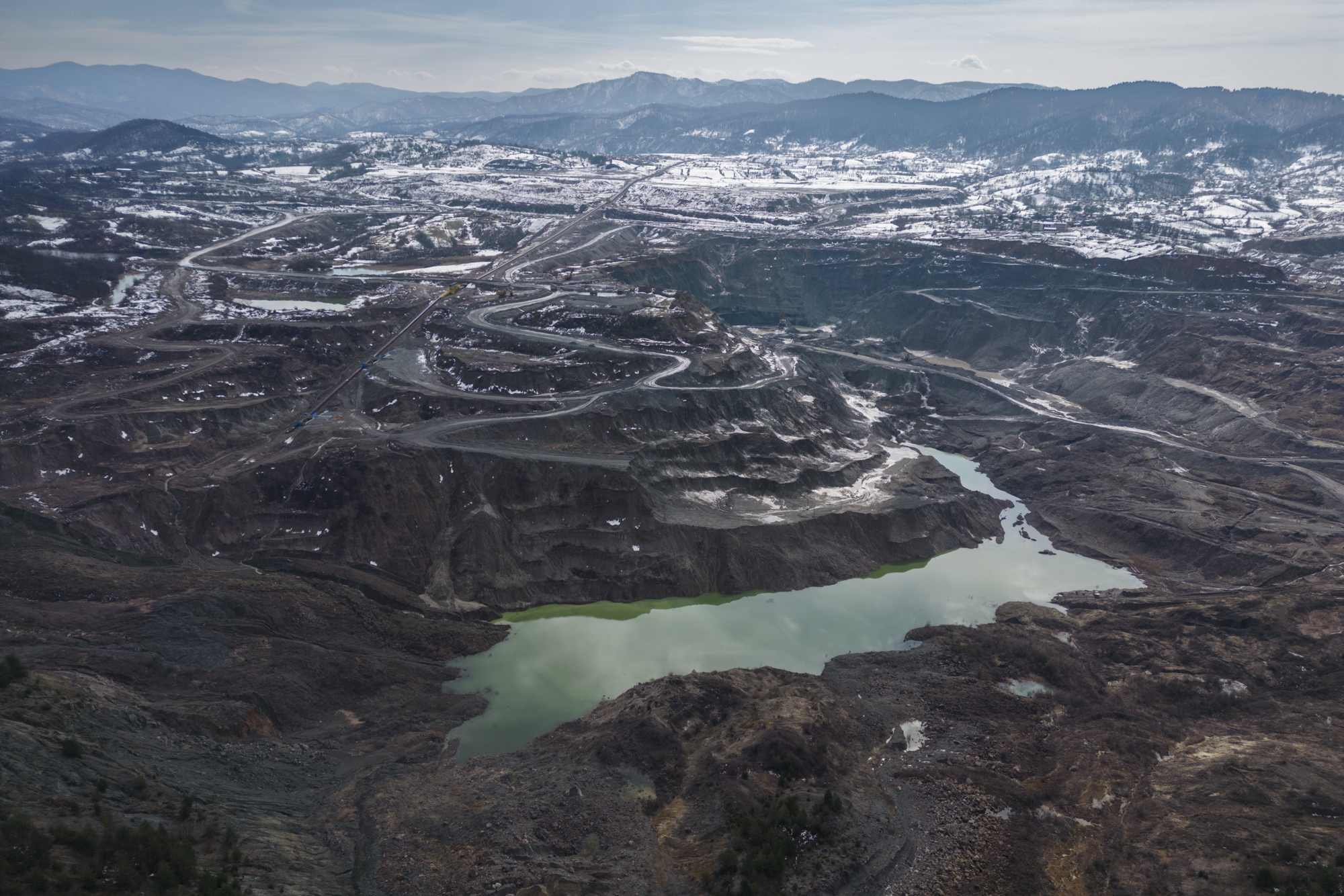
More Necessary than the Sun is a photographic journey into the environmental and human cost of extreme pollution in the Western Balkans. I began the project in 2022, documenting the alarming impact of outdated coal plants, vast open-pit mines, and weak environmental oversight — conditions that have led to some of Europe’s highest levels of pollution.
What surprised me most was the overwhelming presence of foreign companies running these sites — Chinese, Indian, Russian, and Turkish corporations — which reveals a new form of economic colonialism in the region.
And then, there’s always the human side. After spending so much time in the same territories, strong bonds of friendship inevitably form. That human connection is essential to my work — it adds a layer of meaning that goes far beyond the images themselves.
Photography has the ability to raise awareness, shift perspectives, and even inspire action. What role do you believe visual storytelling plays in addressing global challenges?
Photography has a unique ability to move between different fields — journalism, anthropology, documentation, and art — and this flexibility allows it to reach different audiences.
Through photography, I try to tell stories with strong social and environmental value, hoping they can raise awareness among people who might not usually be close to these issues.
If an image manages to reach the right level of sensitivity and depth, it can trigger an emotional response that sometimes speaks louder than words. That’s not easy in a world oversaturated with images that we scroll through in seconds — but if a photograph can make someone stop, even for a few moments, and truly think, that’s already something meaningful.
Your winning image is a reflection of an important moment or reality – how do you approach the responsibility of documenting such impactful stories?
My approach is always to give my best as a photographer and, above all, to work with respect and integrity toward the people I photograph. I make sure to explain who I am, why I’m there, and to have their trust and consent before taking any pictures.
Before raising the camera, there’s always a moment — sometimes half an hour, sometimes a full day — when we simply get to know each other. Once that connection is built, I feel a responsibility to create an image that’s both strong and sincere. That’s also why I dedicate myself to long-term projects: they give me the time to understand, to connect, and to tell stories with real depth.
Looking ahead, are there any social or environmental themes you feel compelled to explore further through your work?
Yes, in the coming years I’ll continue to focus on social and environmental issues. Recently, I returned from Syria, where I began a new project. It was my first time in the country, and it was a powerful experience — both professionally and personally. It reminded me once again how photography can be a bridge between distant worlds, connecting people through shared realities and emotions.