Giles Clarke
PX3 Prix de la Photographie Paris 2025 – State of the World
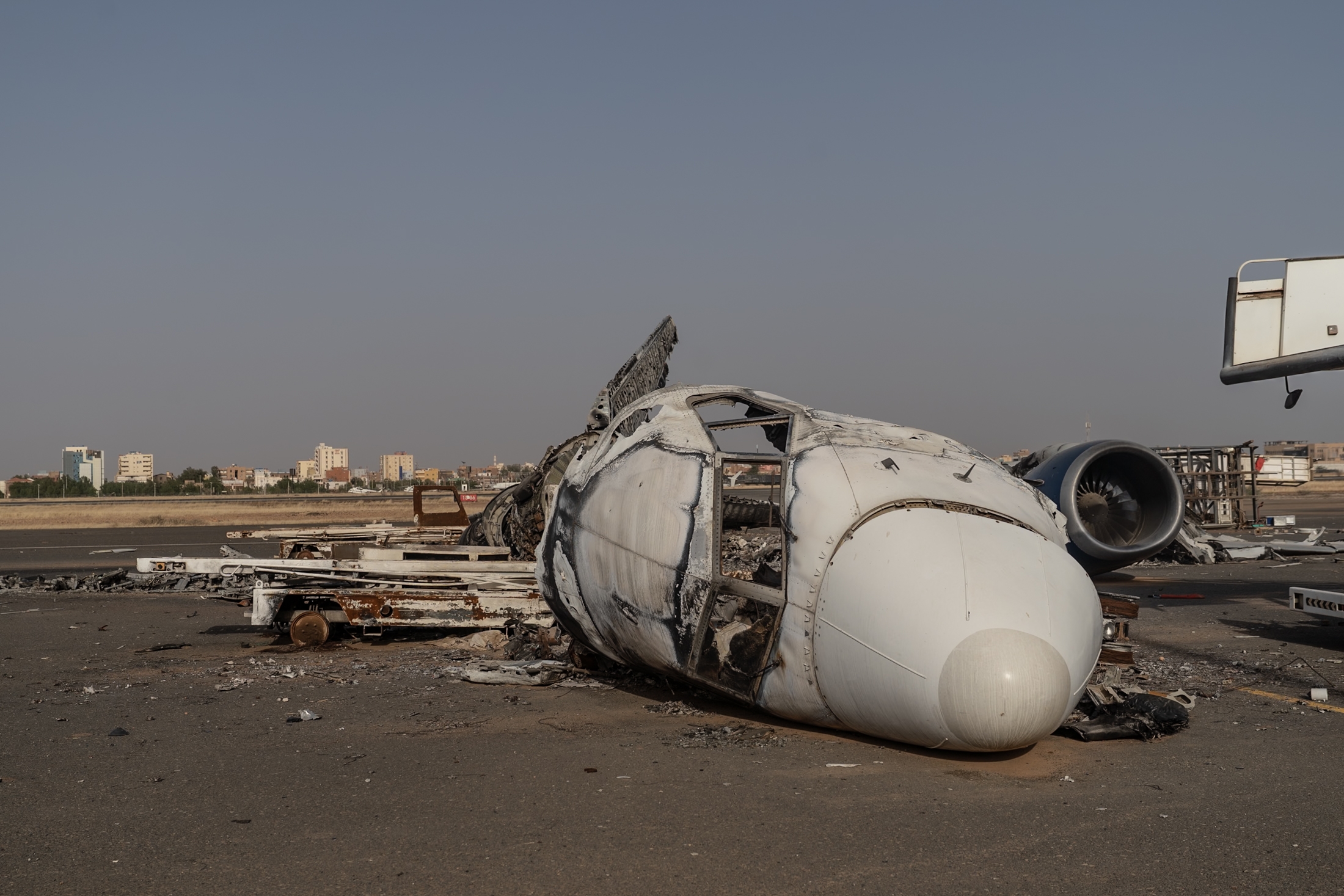
Curatorial Selection – Khartoum: After Two Years Of War
How have your personal background or life experiences influenced the global issues and stories you choose to capture through your photography?
Most of my photography journey has been defined by crossing borders—between divided cities, conflict zones, and fragile ecologies—steering my perspective toward human resilience in the face of loss and destruction. Through that work, I try to voice underreported struggles and dig out a sense of connectivity between people and their environments.
Your winning image reflects a vital moment or reality – how do you approach the responsibility of documenting such impactful stories?
I always try to approach documenting conflict with humility and care—researching and listening first, then doing my best to honestly depict, with dignity, those who live the story. In my conflict work, I suppose the task is to reveal suffering but preserve resilience, memory, and a truth for a world that too easily looks away.
What story did you aim to tell, and did any unexpected moments shape the final result?
When I photographed civilians returning to the shattered streets of Khartoum, the final result was shaped by two forces: the visible scars of war etched into the city, and the determined resilience of those determined to reclaim it. The story I was attempting to tell was not only of destruction, but of return — of ordinary people, traumatized from two years of brutal war yet embodying the fragile hope that even in devastation, insists on living again.
Your work highlights some of today’s most crucial and pressing issues. How do you balance technical precision with the raw emotion needed to create a powerful, thought-provoking image?
I’ve learned to ignore the camera in the field as much as possible. I’ve had the same dented kit for 12 years, and I tend to read light and switch settings without thinking about it too much. I owe most of my framing and light craft to working in a darkroom, printing for other photographers for 12 years. That intense composition and grey-scale training now helps me visualize options that are put in front of me. Understanding more decisive, almost autonomous framing decisions, especially in conflict zones, is critical. Ultimately, it’s a melange of synapses trying to feel, coordinate, and understand your subject and then living with them in that moment.
Looking ahead, are there any social or environmental themes you feel compelled to explore further through your work?
Unfortunately, the list keeps growing. Documenting the carnage of conflict, the traumas of mass displacement, and the ongoing climate crisis is what I do now.