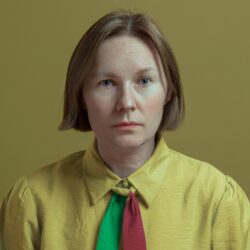
Alena Solomonova
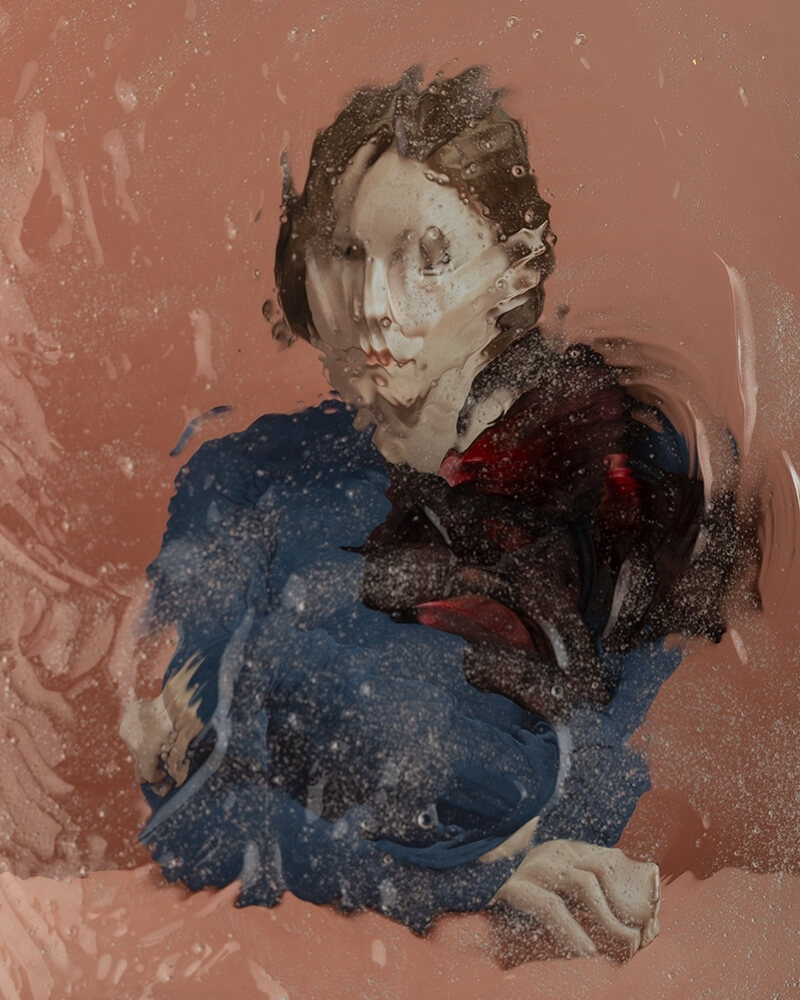
PX3 Prix de la Photographie Paris 2025 – Best New Talent and Non-Professional First Place Winner in Portraiture – Wilting
What first sparked the idea behind Wilting?
The idea came from my reflections on the passage of time and the traces it leaves on our faces and souls. I wanted to explore the fragile line between decay and beauty — how something that is drying, fading, or changing can still remain beautiful. Dried flowers became a metaphor for this transformation, while the blurred surfaces represent our modern attempts to hide these changes behind filters, makeup, and perfection. It’s my reflections about aging, vulnerability, and acceptance.
Walk us through a typical shoot session for this series (location, props, lighting, setup). What was your working environment like?
Each image begins as a simple self-portrait taken under soft artificial light. The process is intimate and minimalistic — just me and the camera. After printing the photo, I start to experiment with glass, placing it over the print and applying various substances to distort the image — hair gels, sprays, honey, even strawberry jam. I also experimented with the distance and angle of the glass in relation to the print. Then I add fragments of dried plants collected from my surroundings. Each material reacts differently with light and creates unique visual textures. I photograph the result of the experiments using natural light or flash.
What do you hope someone learns or feels when they see Wilting?
I hope viewers feel both the fragility and strength of transformation. The work is about recognizing the beauty of change — how traces of time can tell stories instead of hiding them. I want people to reflect on their own relationship with aging, imperfection, and authenticity.
If you were advising another early-career photographer wanting to embark on a deeply personal, metaphor-driven series like Wilting, what practical advice would you give?
Don’t be afraid to look at your imperfections and vulnerability, that’s where your real power lies. Experiment freely, try unusual things, go beyond the rules. There are no miracles in success: it’s about working hard, observing a lot, and shooting constantly. Try different approaches, connect with your peers, trust yourself — but don’t stop there. Keep pushing forward, refining your skills, and expanding your vision.
Winning the Px3 award and being named Best New Talent is a significant achievement. What does this recognition mean to you personally and professionally?
This recognition is both an honor and an encouragement. It tells me that the deep personal themes I explore — identity, transformation, vulnerability — can also speak to others. Personally, it gives me confidence to continue trusting my own voice. Professionally, it opens doors and builds connections that help me grow as an artist. But most importantly, it reminds me that authenticity has value.